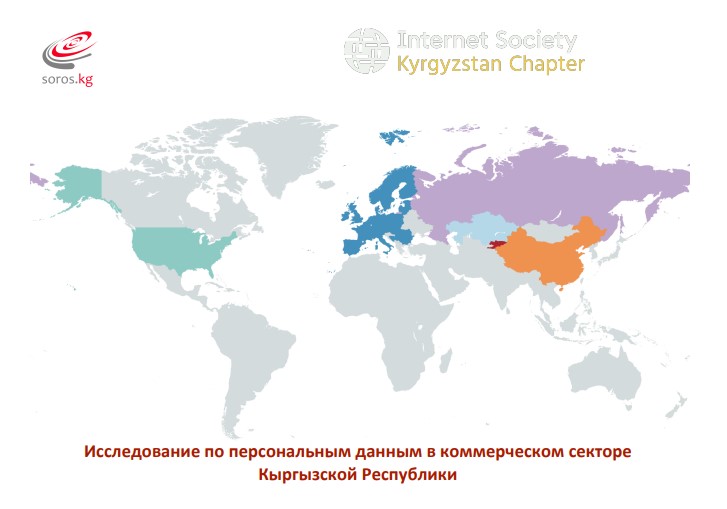
Research on Personal Data in the Commercial Sector of the Kyrgyz Republic

Researchers: Nurbek Arzymbaev, Talant Sultanov, Aiperi Bozoeva, Zhazgul Zuridinova

The main objective of the study was to find out how the “market”, the commercial[1] sector in the Kyrgyz Republic enforces the legislation in the collection and processing of personal data directly provided by the users[2], in the absence of an enforcement authority.

According to the results of our research, we can state that the vast majority of companies we studied collect personal data illegitimately, do not inform users about the list of collected personal data, the purposes of their collection and processing, their rights, storage periods and their protection.

Of the more than 500 company websites we reviewed, about 180 directly collect personal data (hereinafter referred to as PD) from users. The vast majority collect users’ contact details to provide feedback and send information about company promotions and products.

 Out of 180 companies collecting personal data, only 44 companies obtain consent. However, according to our research, the absolute majority of online consent forms for personal data processing do not comply with the personal data legislation of the Kyrgyz Republic. According to the current legislation, there are no norms for giving electronic consent to the collection and processing of personal data, except for the use of electronic signature. Despite the fact that the law has a more simplified form – “simple electronic signature”, of the number of web resources reviewed, only a few web resources use it to obtain consent to the collection and processing of personal data.

Of the 180 websites that requested a PD, over 40% of the websites were located outside the country. However, only six companies displayed cross-border data transfer clauses in the consent form.

Of the 519 websites, only 17 (or 3%) had published a Personal Data Processing Policy on their websites[3]. Accordingly, they do not familiarise users with the purposes of collecting PD, conditions of processing, storage, destruction, rights and other important aspects related to PD. It should also be noted that only one company out of 519 has developed and published its Data Processing Policy in Kyrgyz.

It is rather difficult to make unambiguous conclusions about the volume and excessiveness of collected data due to the lack of collection purposes published by the companies. However, we have recorded cases of collecting special categories of personal data[4] and collection of personal data that do not correspond to the text of the consents obtained.

In general, we can draw a portrait of companies in the commercial sector – the company collects personal data directly from users only for marketing mailings, feedback or discounts; does not obtain legitimate consent from users for the collection and processing of personal data; does not notify users about the measures taken to protect personal data, about the rights of users.

According to the results of the study, it can be concluded that the absence of an authorised body negatively affects the relationship of the subject of PD with the private sector. PD subjects cannot realise their legal rights, the commercial sector does not actually comply with the legislation and other acts on personal data protection in the country. Also during the research, having studied the legislation of the country, having checked the enforcement of the rights of the PD subjects, having analysed the leakage of PD, we believe that there are significant gaps in the legislation of the country. For example, the main ones include the following: the rights to revoke consent are not clearly defined, there are difficulties in giving electronic consent (only electronic signature), there are no norms on notification of leakage, the possibility of unsubscribing from marketing mailings and protection of children’s personal data, etc. [1]The issue of data collection and processing is a matter of data collection and processing. 

[1]The issue of data collection and processing by the public sector requires a separate study.

[2]It should be noted that in the study we separate the concepts of “directly provided personal data” and “indirectly provided personal data”. The study was conducted only on the study of directly provided personal data. In subsequent studies, we will examine indirectly provided personal data and users’ attitudes towards it.

[3]A document, often also referred to as a privacy policy, defines the policy of the holder/processor regarding the processing of personal data (hereafter referred to as the Policy).

[4]In the Personal Information Act, special categories are defined as racial or ethnic origin, nationality, political opinions, religious or philosophical beliefs, as well as data concerning health conditions and sexual inclinations.

Source: Survey on personal data in the commercial sector of the Kyrgyz Republic
https://youtu.be/VXApI-IY45c?feature=shared

Donations for Zardaly village

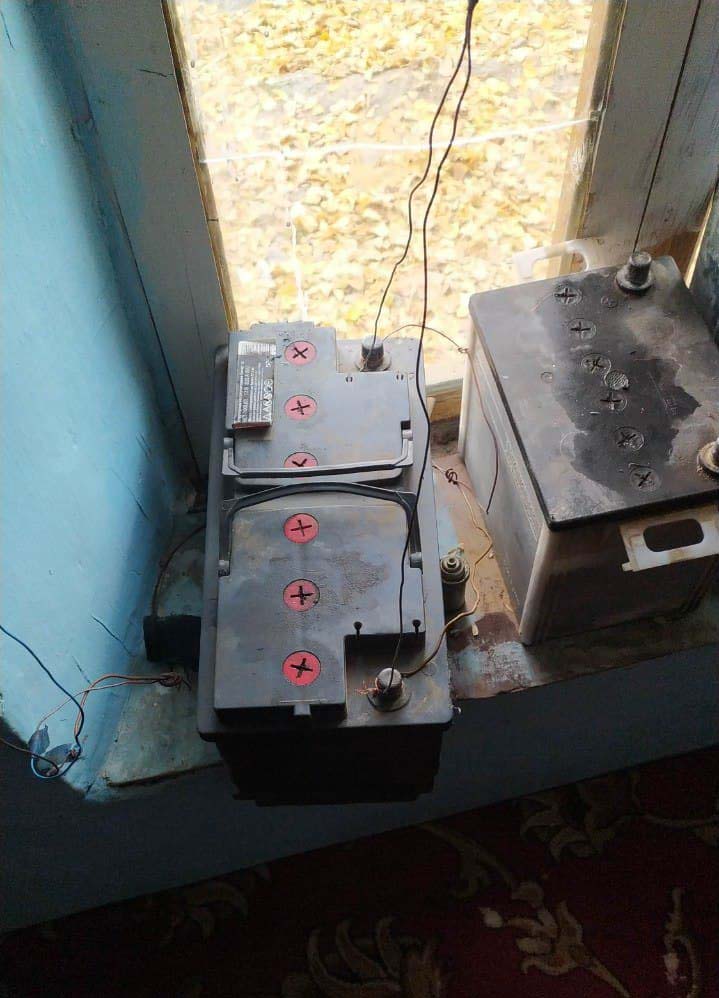
Residents of the village of Zardaly have been living without electricity for several decades. While for the whole of Kyrgyzstan electricity has become a part of everyday life, Zardaly residents need to charge homemade batteries using solar panels so that there is at least some kind of lighting in the house at night.


Battery from a truck in one of the houses in Zardaly

But there is good news!

This spring, the ISOC team will install the Internet in the village of Zardaly!

Since the village has never had either electricity or a mobile network, or the Internet, local residents do not use smartphones or laptops. For this reason, we collect used technologies as donations:
– smartphones (note: the screen must be unbroken and the device’s wi-fi technology must be working);
– tablets (with wi-fi technology);
– routers for the Internet;
– laptops (preferably with a working battery);
– printer (b&w).

For our part, our team guarantees full reporting: photos, videos, acceptance certificates, that is, whatever you deem necessary!

On our last trip, Merim Koichueva donated a smartphone to the residents of the village of Zardaly. When our team visited the school, we decided that the only girl in the elementary school – eight-year-old Ryana – should receive it. She was very happy and grateful for this gift!

If you decide to donate equipment to the village of Zardaly, please fill out the form

For more details, write or call the number: +996 755 330 335, we will be happy to answer all your questions!


The ISOC team would like to thank New-Tek LLC, a domestic solar panel manufacturer, for providing a discount on solar panels!
The project is being applied with collaboration to Taza Koom — Center for Strategic Initiatives.

“Internet and Digital Skills for Remote Community of Zardaly” was provided in part by the USG Alumni Small Grants Program, which is funded by the U.S. Embassy Bishkek, Kyrgyz Republic and administered by American Councils for International Education Kyrgyzstan. The opinions expressed herein are the author’s own and do not necessarily express the views of either U.S. Embassy in the Kyrgyz Republic or the American Councils for International Education.

ISOC team recruits volunteer trainers to travel to Zardaly village

How did it all start?

The ISOC team visited the most remote villages of our country. Every time we came to another special and insanely beautiful village, we tried to learn as much as possible about the inhabitants: about their living conditions, way of life, views, interests, and stories.


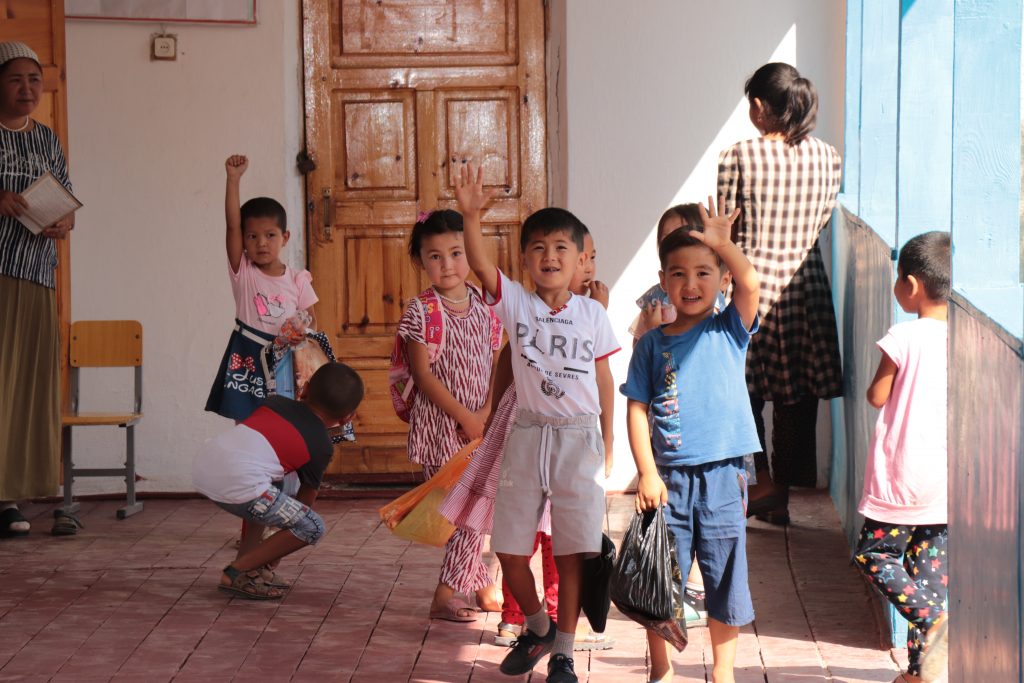
Photo: Children at school in Batken region

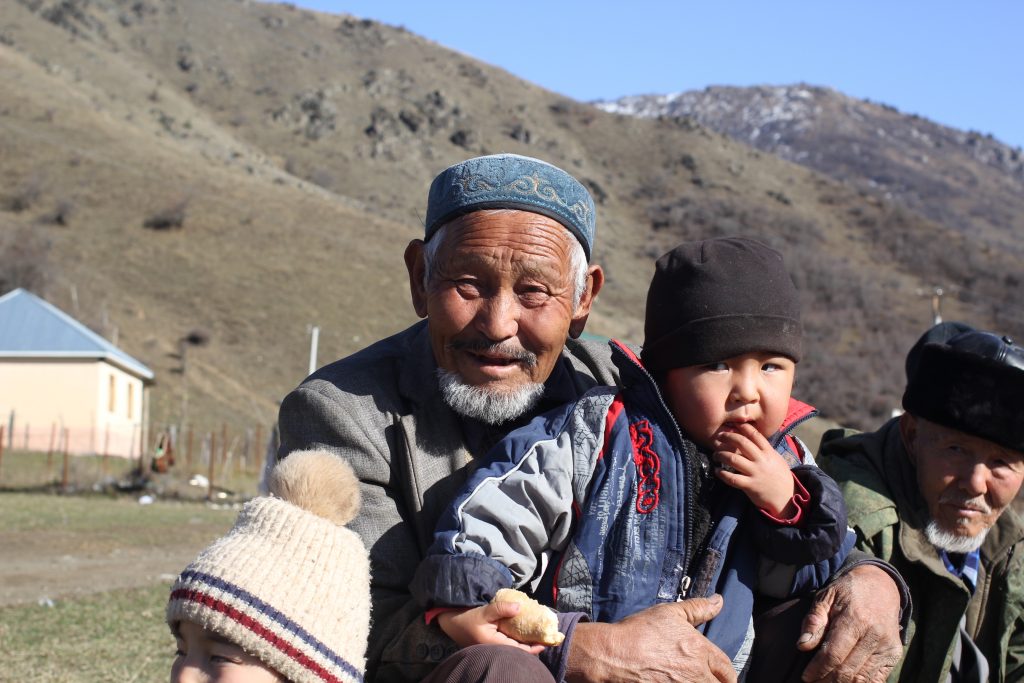
We met the residents of the villages of Ortok and Zhaz-Kechuu, who live in walnut forests and protect them from poachers, care for and plant new seedlings of future forests every year. And residents of villages in the Batken region who live on the border with Uzbekistan and Tajikistan, despite the well-known border problems. They repeatedly face conflicts, go through shootings, but every day they try to look for ways of peaceful coexistence with their neighbors. We also visited the villages of Issyk-Kul, Talas, and Naryn regions. We faced the problems of lack of motivation for children to get an education because the only visible path for them is to work in another country.


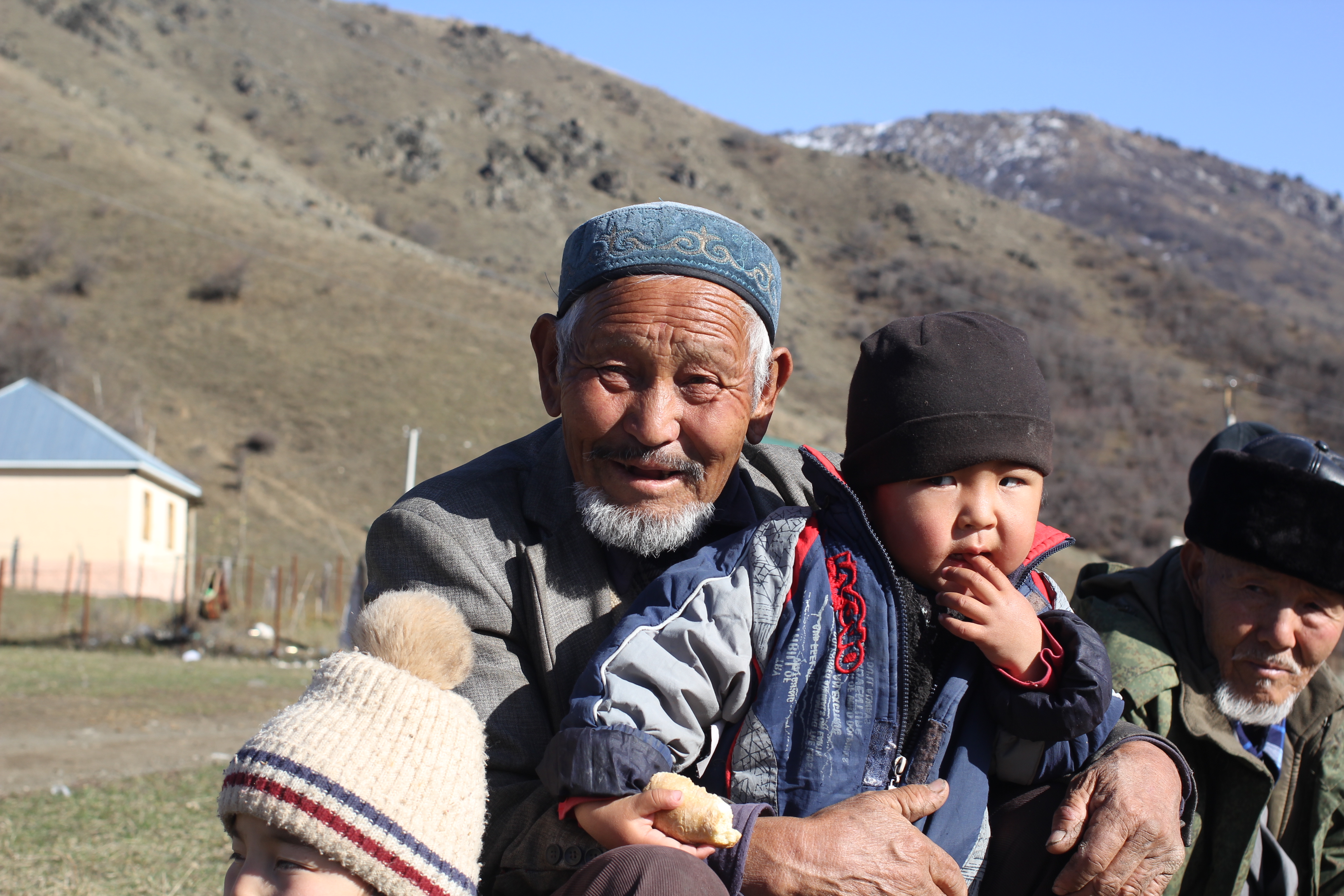
Photo: villagers in Jalal-Abad oblast

What do we want?

Therefore, it became our dream to return one day with the Internet to these villages and teach young people to use modern technologies for their own benefit. For example, making money through the Internet, self-study, Internet marketing, tourism and everything else that will help them find alternatives to build a better future.

Finally, this year we are starting to make this dream come true! The first village we plan to return to is Zardaly, the most remote village in our country, without electricity.


Photo: Schoolchildren in a village in Talas region

What is required for this?

Now we are recruiting volunteer trainers for further training.

For several weeks we will discuss the training plan, prepare, learn how to correctly present information in Kyrgyz, and collect the necessary attributes for the training. After that, we plan to leave together and stay in this village Zardaly for 5 days, teaching the villagers all useful and necessary skills applicable via the Internet.

How to join?

The exact departure dates will be announced in the second half of March. If you want to become a part of our movement – fill out the form

We will process all applications and contact you for an invitation to the event!


The project is being applied with collaboration to Taza Koom — Center for Strategic Initiatives.

“Internet and Digital Skills for Remote Community of Zardaly” was provided in part by the USG Alumni Small Grants Program, which is funded by the U.S. Embassy Bishkek, Kyrgyz Republic and administered by American Councils for International Education Kyrgyzstan. The opinions expressed herein are the author’s own and do not necessarily express the views of either U.S. Embassy in the Kyrgyz Republic or the American Councils for International Education.

We started our work to bring internet to Zardaly village

Good news!

Our team has started work on bringing the Internet to Zardaly village!

Now the first stage of our project has begun. Our engineer Erzhigit Imamov left for a detailed study of the area, after which the equipment will be ordered.

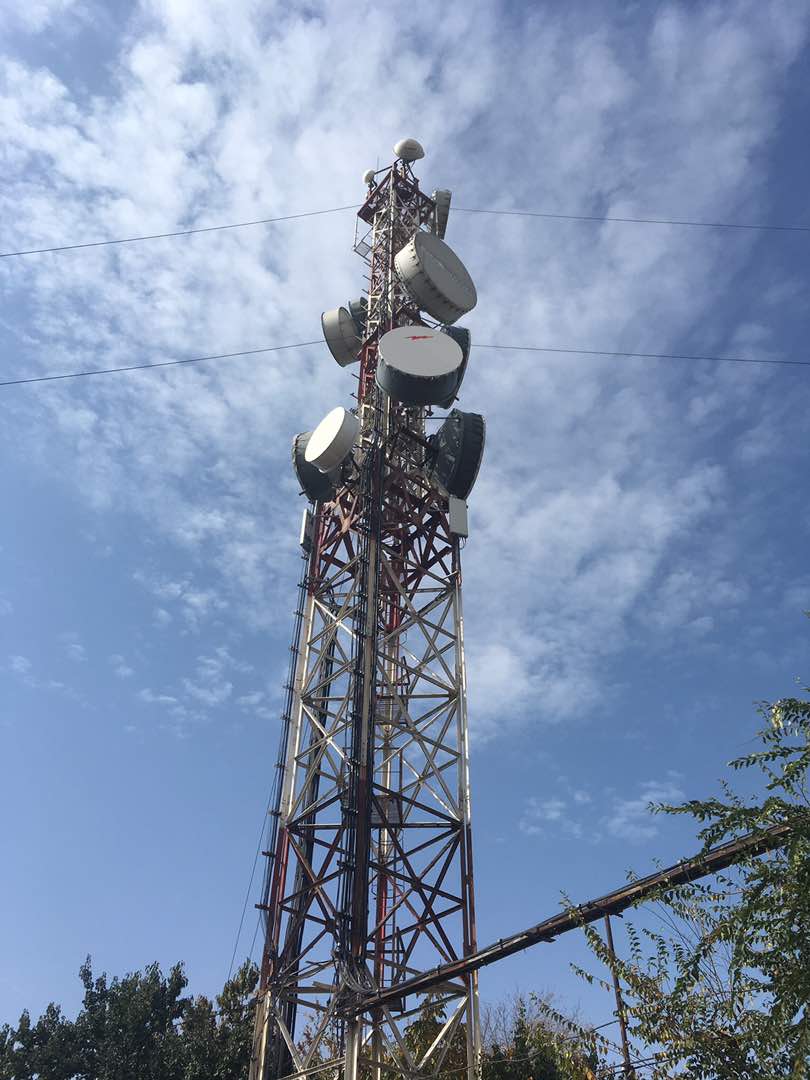
The second stage will be the installation of a metal frame and radio retranslators, which will be installed in the vicinity of Zardala, and through them, the Internet will be carried out to the village.

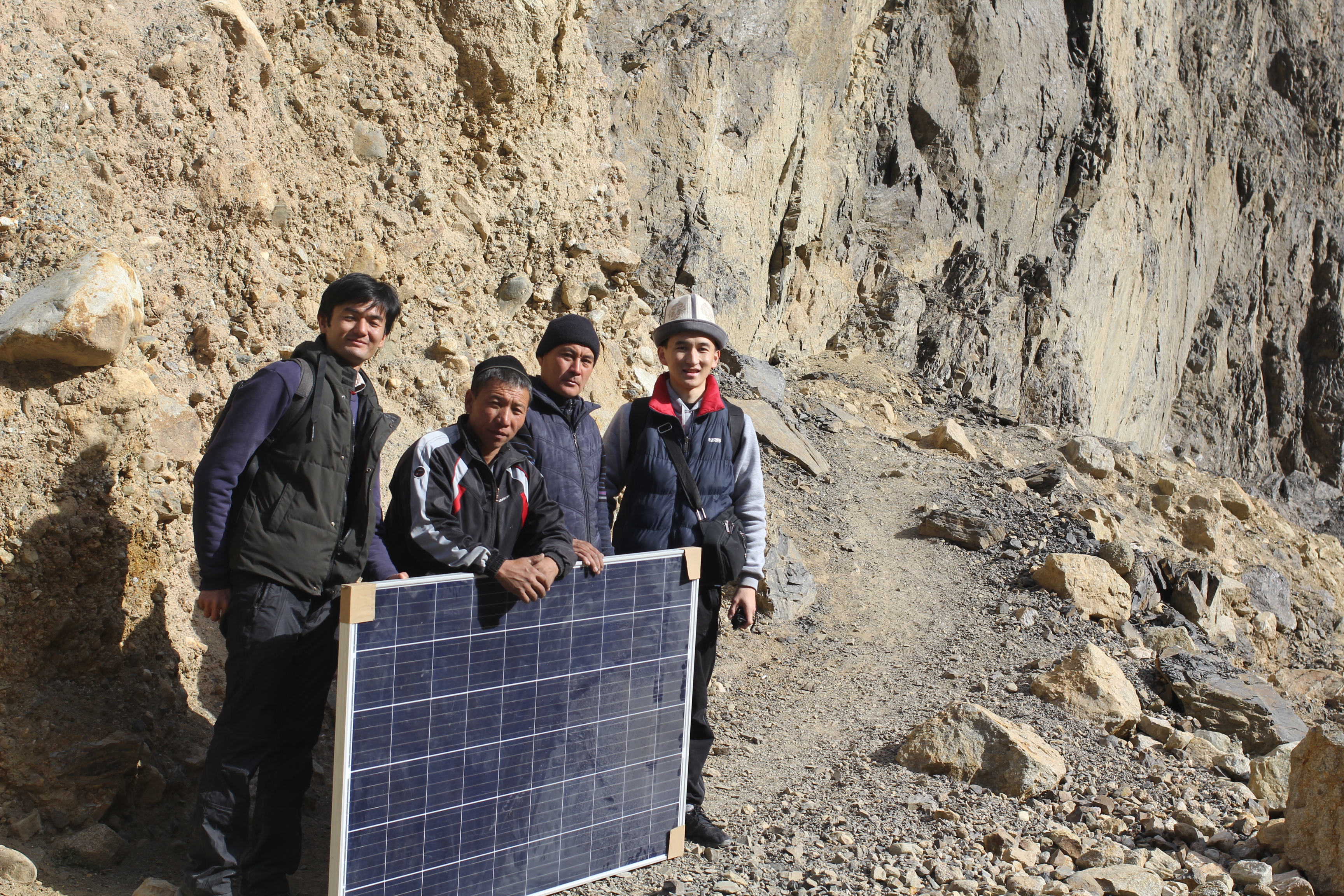
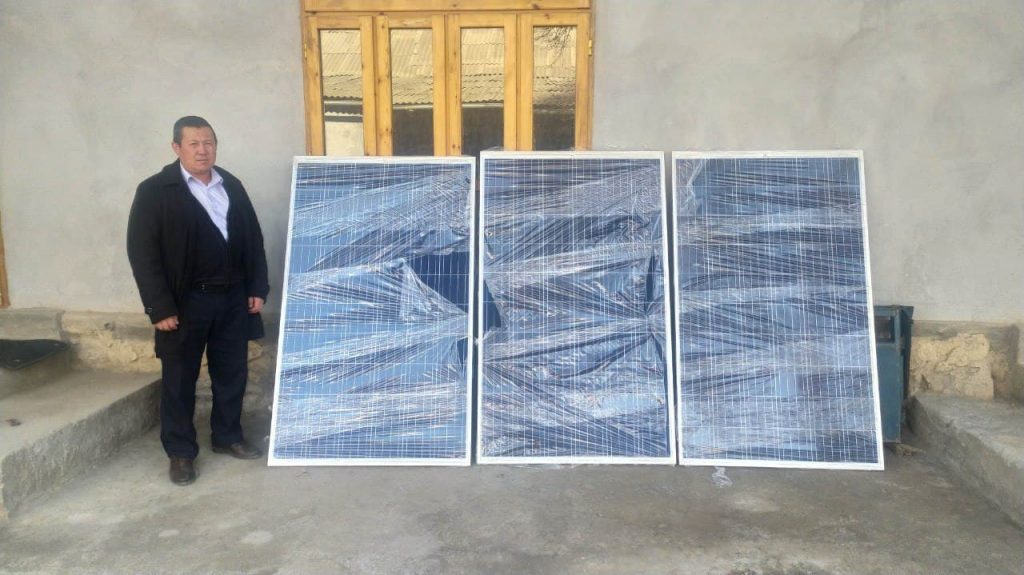
solar panels for powering Internet radio repeaters

The third stage: Accommodation in the village of Zardaly for 5 days, to teach local residents digital skills, ways to make money through the Internet, various ways of learning, and much more!


The ISOC team would like to thank New-Tek LLC, a domestic solar panel manufacturer, for providing a discount on solar panels!
The project is being applied with collaboration to Taza Koom — Center for Strategic Initiatives.

“Internet and Digital Skills for Remote Community of Zardaly” was provided in part by the USG Alumni Small Grants Program, which is funded by the U.S. Embassy Bishkek, Kyrgyz Republic and administered by American Councils for International Education Kyrgyzstan. The opinions expressed herein are the author’s own and do not necessarily express the views of either U.S. Embassy in the Kyrgyz Republic or the American Councils for International Education.

ilimbox – Educational Platform for Secondary Schools

Educational platform for educators and schoolchildren across Kyrgyzstan schools with localized curated content (website platform, mobile apps, devices in schools), meet local educational standards but enriched with updated knowledge. 

We provide children in Kyrgyzstan, their parents, school administrations, teachers, and publishers with access to user friendly, intuitively clear secure educational platforms to be able to obtain distance and online education while being in quarantine, having physical disabilities or constraints:

1) To deploy Moodle open-source solution on ilimbox.kg website and customize it in user-friendly way (mobile);

2) Upload and structure all available learning materials on one platform organized by classes, school curriculum, competencies; 

3) Convert all textbooks from pdf to machine-friendly format so that it would be easy to search required text, read it, increase the font of the text, etc.

4) Provide video conferencing tools on the platform.

Ilimbox’s online education platform will help the Ministry of Education in digital transformation of the education system, adaptation of their standards and curriculum, and open new ways for learning and reaching out to school-age children even in remote areas of the country as well as from underserved and vulnerable communities. Migrant parents could watch the progress of their kids and join remotely to classroom events, for example. Ilimbox plans to continue developing by opening platforms to third-party publishers and development partners (US Embassy, WB, ADB, UNDP, UNICEF, independent) who would like to provide additional learning materials for children. Ilimbox will keep its sustainability by keeping fees from new publishers and authors for covering maintenance and R&D costs.

For more information please follow: https://ilimbox.kg/

IlimBox – Internet in a Box for schools in Kyrgyzstan

“IlimBox” is a digital library for schools and public libraries, containing Wikipedia in Kyrgyz, Russian and English, the Khan Academy electronic library in English, thousands of video lessons, audio and electronic books. All these digital training materials are available offline, in other words, they do not need access to the Internet. Access to Digital Libraries will be via smartphones, tablets, computers and any other personal devices with Wi-Fi technology.

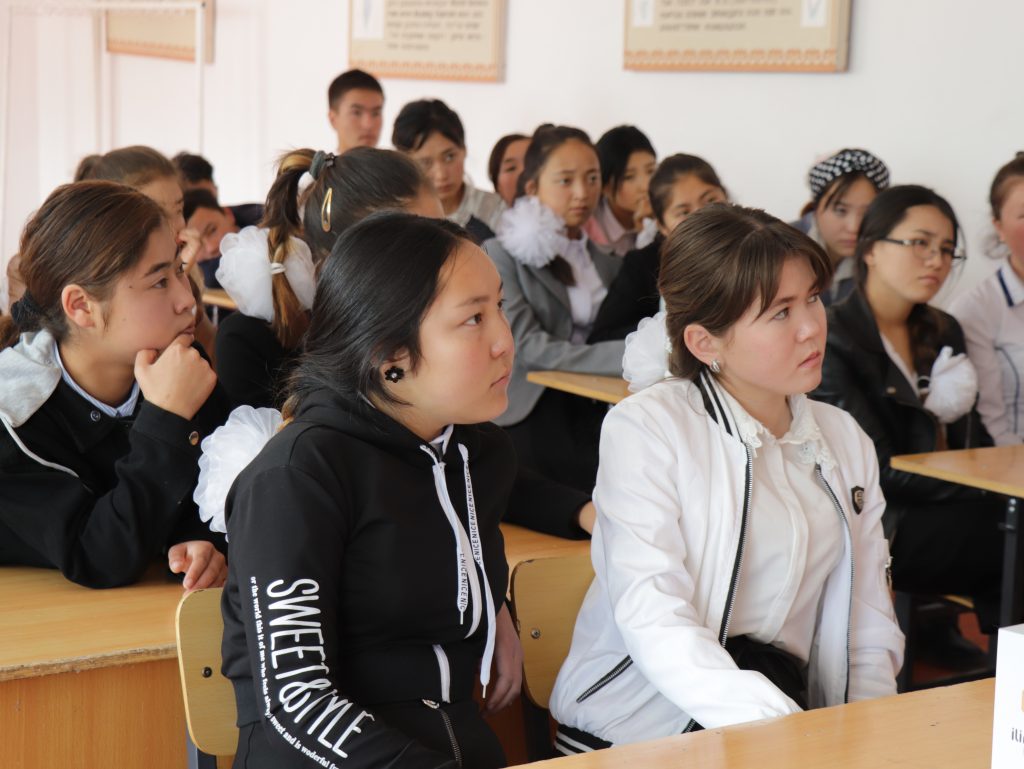
ISOC-Kyrgyz Chapter had installed fifty devices of Ilimbox in understaffed and under-equipped rural schools in the northern provinces of Kyrgyz Republic.  Ilimboxes had been demonstrated in the halls of schools for teachers and students from the 6-10th classes. Public had positively welcomed this initiative and fully supported it in places. Teachers found materials very useful for preparing class materials and assignments, while school children asked to upload additional textbooks and materials that initially were not installed in Orange Pie devices. Based on their user feedback, the team took a pause in Ilimbox distribution for the time of spring recess in schools and had been working with different stakeholders to receive permits for sharing their textbooks and educational materials. The software part had been completely redesigned, user interfaces changed and overall product recognition improved. Starting from the new academic year in September, the team had traveled across the region, made presentations, training sessions, and distributed three fourths of the devices for users. There are about 25 thousand students and teachers who benefited from the installation of fifty devices and the accomplishment of the project.

For more information please follow: https://isoc.kg/ilimbox/

Community Network

We provide accessible internet in remote villages in Kyrgyzstan. The project aims to install radio receivers for wireless internet, so residents of remote areas can utilize high-speed internet without effort. We started from Suusamyr, continued to Zardaly and plan to connect the villages of Kyzyl-Oi, Ak-Shyrak and Enilchek by building community Internet networks. 

Kyrgyz Republic National Digital Transformation Strategy «Taza Koom»

Kyrgyz Republic National Digital Transformation Strategy «Taza Koom», project led by Talant Sultanov. 

Aziz Soltobaev and Talant Sultanov are the authors of the Strategy Vision 2040 and the five-year National Sustainable Development Strategy 2018-2023.

Taza Koom uses the power of data industry, technologies, digital infrastructure to improve the life of people. Therefore, it creates new economic opportunities and a stronger society where people, their values, and their capacity are in the center.

For more information please follow: http://tazakoom.kg/

Ferghana Valley Internet Exchange Point

Ferghana Valley located in crossroads of three countries is the most populated area in Central Asia, source of regional inter-ethnic tensions due to water and land irrigation disputes, poverty and lack of access to communication services. Internet Exchange Point Project with location in Osh city (Kyrgyzstan) is aimed to increase regional cross-border collaboration between stakeholders and communication of people through increase of Internet affordability by lower internet service tariff plans up to 3 times, multiple growths of Internet traffic exchange in the region, increase Internet penetration rate due to price reduction, better latency for international and regional content sources.

IXP will help local small and medium ISP to minimize traffic costs, spend more on infrastructure rather than on internet traffic purchase. Establishing IXP would greatly enhance the utility and value of the regional Internet and promote the growth of the digital economy. According to Terabit Consulting, “Improvement in ICT infrastructure yields: Increased demand for the output of other industries (demand multiplier), New opportunities for production in other industries (supply multiplier), New goods and services for consumers (final demand), It also increases firms’ innovation capabilities and increases the probability of new products, innovations, and organizations”.

For more information please follow: https://www.internetsociety.org/ferghana-valley-internet-exchange-point