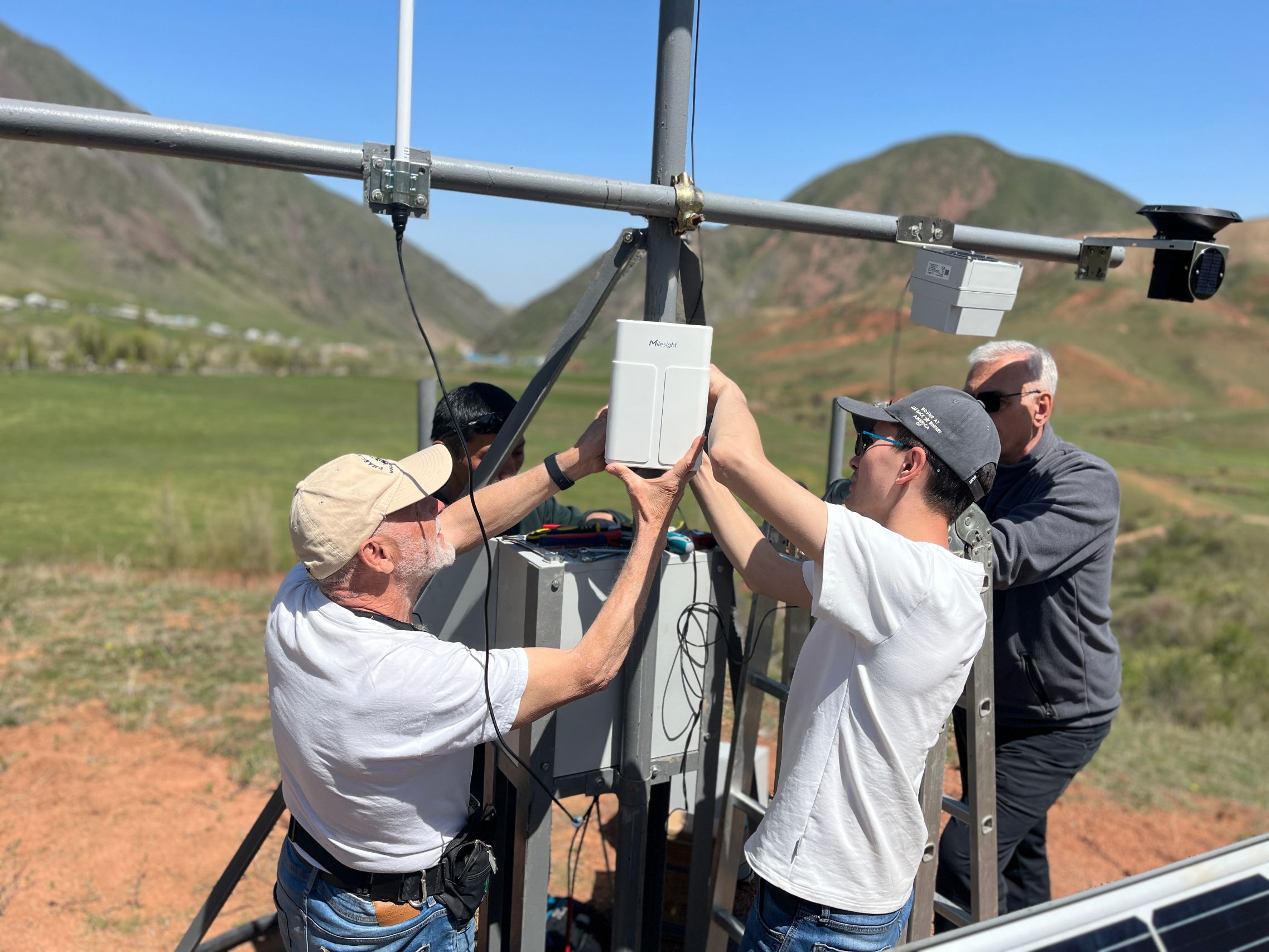
Installation works on Adygene lake pilot location completed

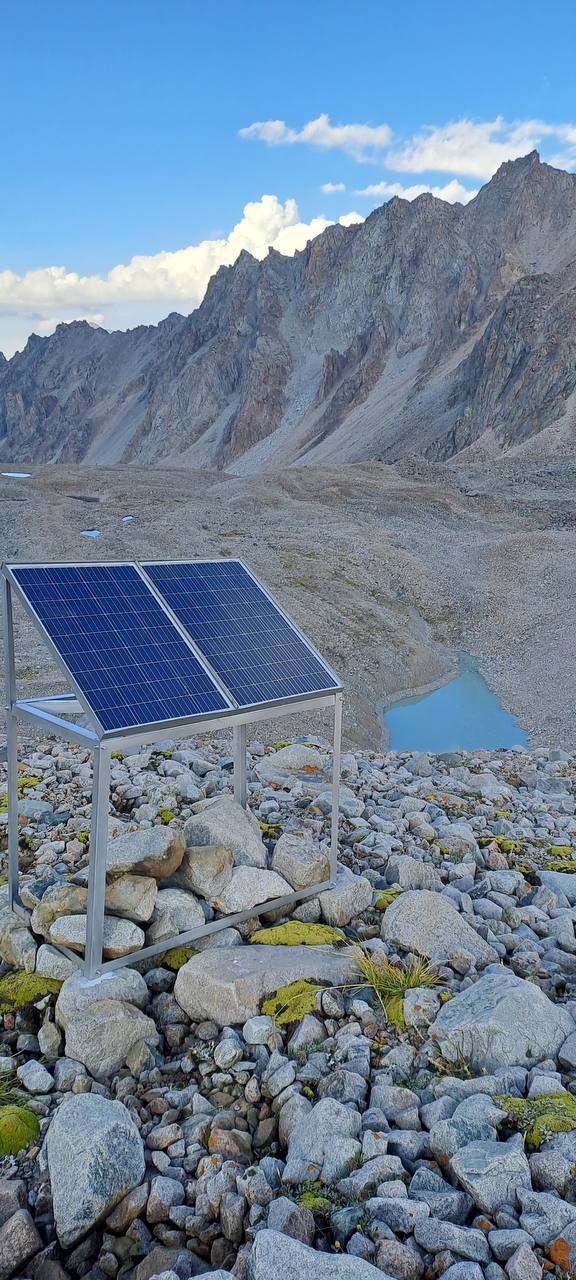
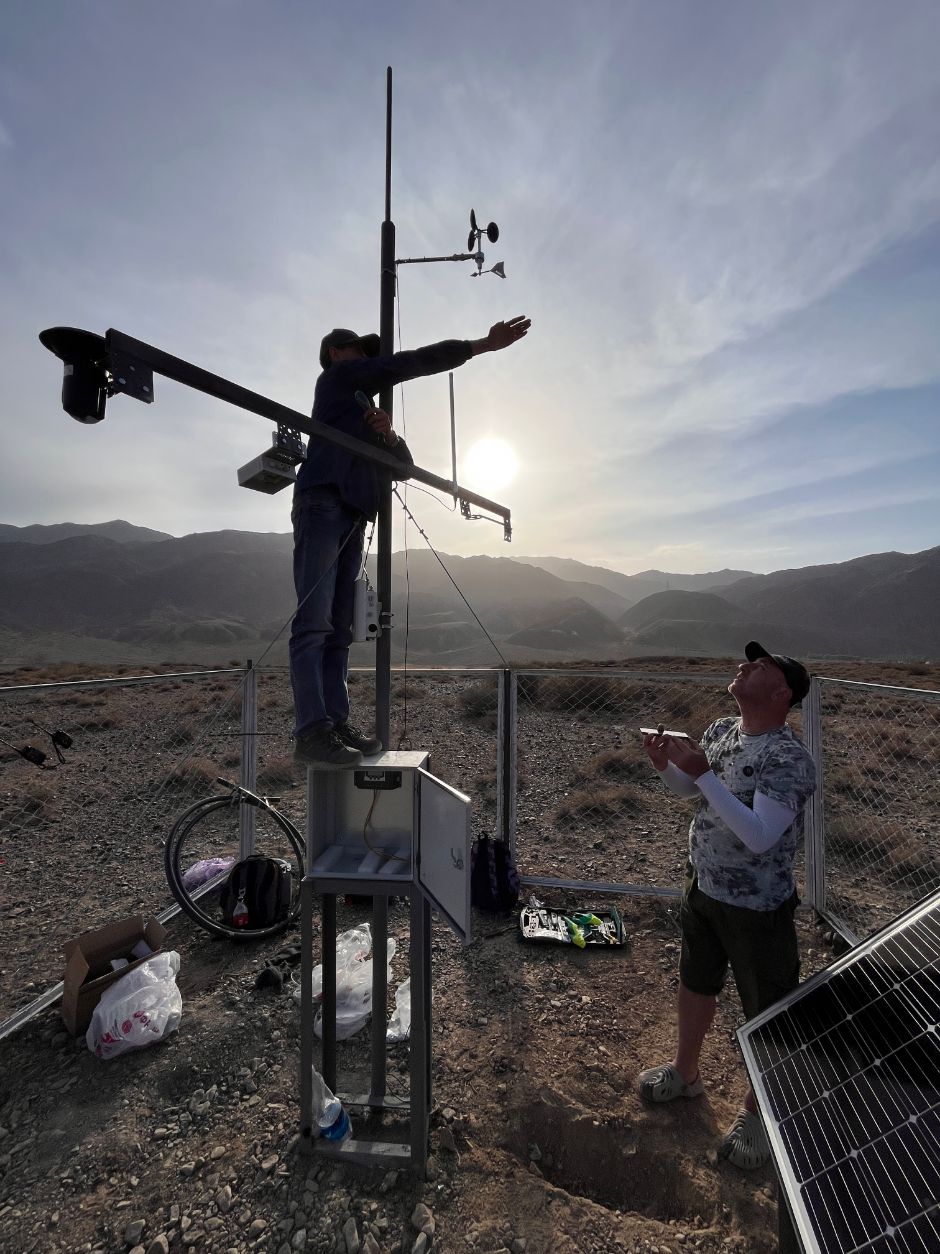
The construction team had built masts, photovoltaics on established locations on Adygene lake.

A month ago, the joint research team had visited high glacier mountain lake, collected initial data. The desk analysis of the data showed that there are some spots that could be feasible for establishing connection between lora-enabled devices and nearest cellular tower located in a distance of about 25 and 40km from the lake in Chuy valley.

Considering that pilot location is located in high altitudes, where harsh winter conditions and regularly windy, the team built design of construction masts and tower.

The construction team prepared all ready-to-built parts and materials, carried all materials on foot to the base and finished construction of tower and solar panel for the communication device as well as towers for environment monitoring internet of things.

We expect to setup and connect it on September, 2023.

Partnering with Ilbirs Foundation

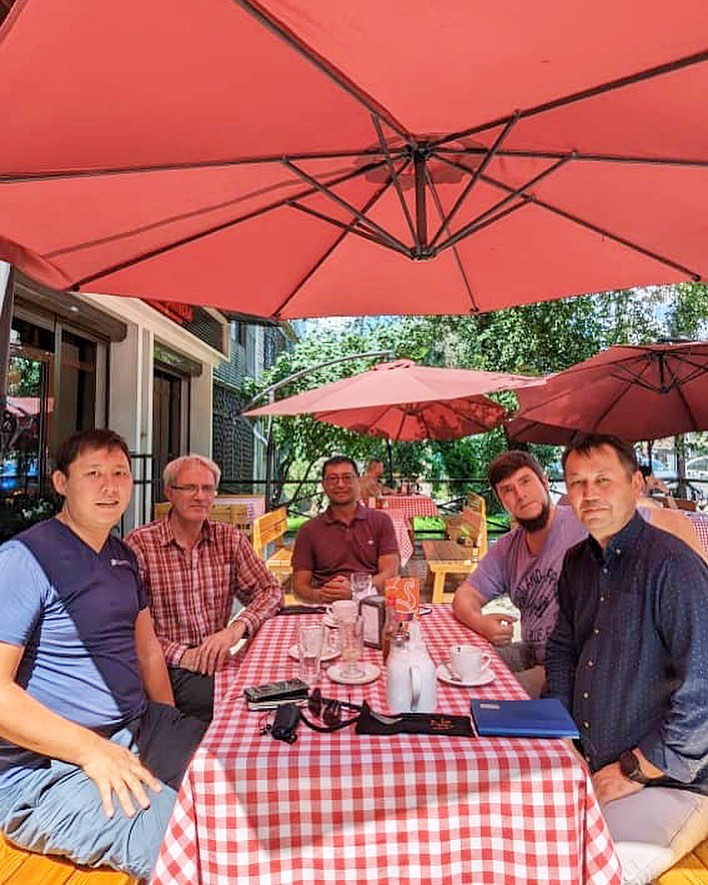
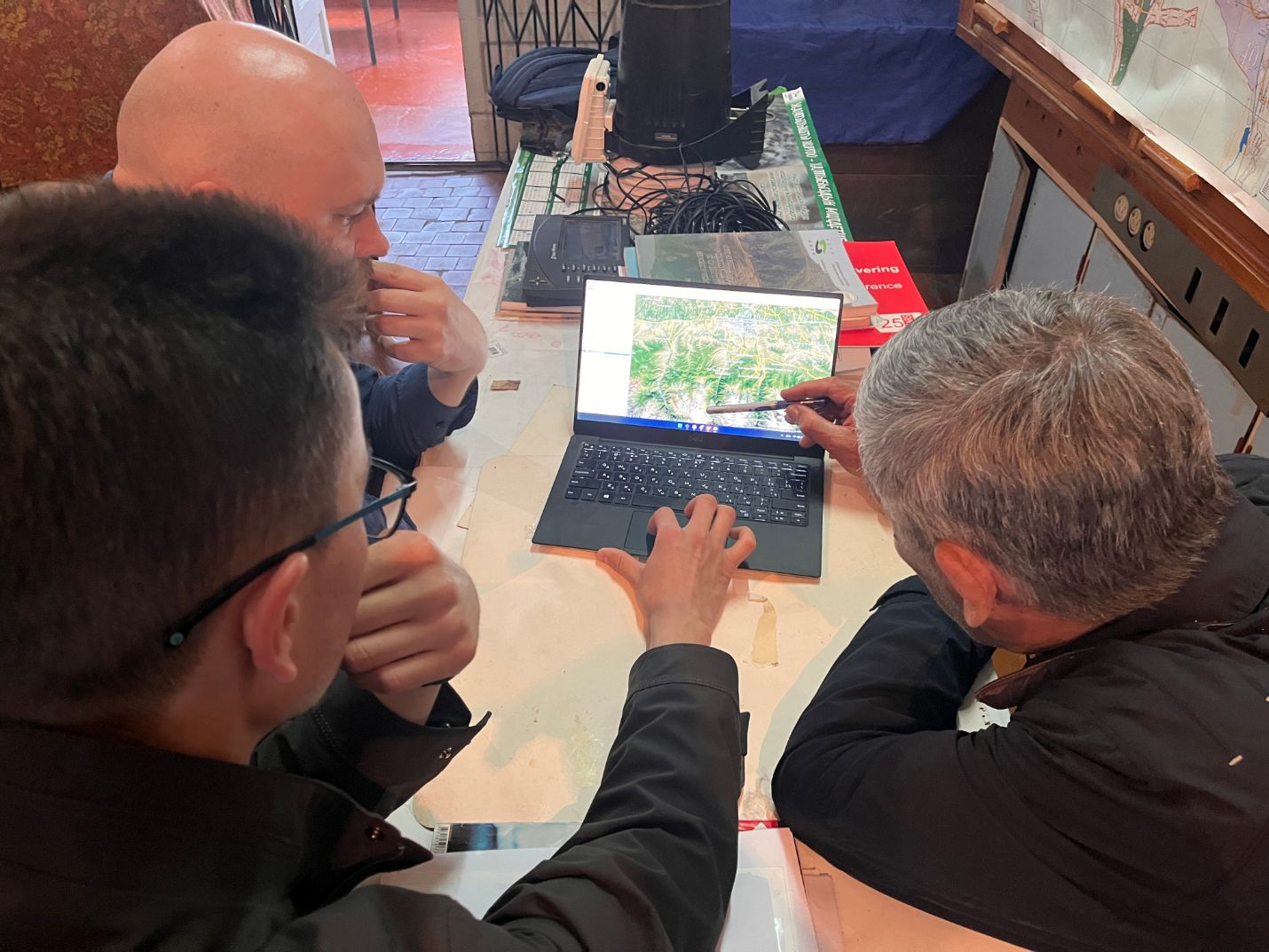
On August 11, 2023, ISOC Kyrgyzstan Chapter – Aziz Soltobaev and Talant Sultanov – teamed up with representatives from the Ilbirs Foundation and SMART consultant Michael Hotte for a crucial meeting about protecting nature and wildlife.
The main decision from their discussion was to use Lorawan technology for better wildlife monitoring. This advanced technology can transmit data even in places without cell service, making it easier to react quickly to environmental changes.
We proposed to consider use of lora-enabled devices with machine learning tools to use as camera traps as well as to fight poachers. We hope to find innovative solutions to enable Ilbirs Foundation with practical technological solutions to reach their mission: keeping nature safe and ensuring a better, safer future.
ilbirs foundation

Mapping Lorawan coverage in Kyrgyzstan

In a pioneering initiative, the Internet Society Kyrgyz Chapter has embarked on a groundbreaking project to test and map LoRa-enabled gateway coverage in select pilot locations. This endeavor marks a significant leap forward in the realm of Internet of Things (IoT) technology, aiming to enhance connectivity, streamline data collection, and fortify research efforts.

Mapping LoRa-enabled gateway coverage is a crucial step in advancing IoT infrastructure of the country. LoRa (Long Range) technology, known for its extended range and low power consumption, is increasingly employed in diverse applications, including environmental monitoring, agriculture, and smart city solutions. The success of these applications relies heavily on the optimal placement and coverage of LoRa gateways.

The process of mapping LoRa-enabled gateway coverage involves a meticulous survey of the targeted area, considering topography, geographical features, and potential interference. The ISOC Kyrgyz Chapter, in collaboration with local partners, is employing cutting-edge techniques to identify strategic locations for LoRa gateways. These gateways serve as crucial communication hubs, facilitating the seamless transfer of data between IoT devices and the central network.

The benefits of mapping LoRa-enabled gateway coverage are manifold. Firstly, it ensures that IoT devices within the coverage area can efficiently communicate with the network, enabling real-time data transmission. This is particularly vital for research initiatives focused on environmental monitoring, where timely and accurate data is imperative for informed decision-making.

Secondly, the strategic placement of LoRa gateways optimizes network efficiency, reducing the chances of signal interference and packet loss. This, in turn, enhances the reliability and stability of IoT applications, making them more robust in challenging environments.

From a research perspective, the mapped data provides valuable insights into the performance and limitations of LoRa technology in specific geographic contexts. Researchers can analyze coverage patterns, identify potential dead zones, and fine-tune gateway placements for maximum efficacy. This iterative process of testing and mapping contributes to the continuous improvement of IoT infrastructure, fostering innovation and advancements in diverse fields.

In conclusion, the ISOC Kyrgyz Chapter’s initiative to test and map LoRa-enabled gateway coverage in pilot locations is a commendable stride towards harnessing the full potential of IoT technology. By strategically placing gateways and optimizing coverage, this effort not only enhances connectivity and data reliability but also lays the groundwork for transformative research endeavors that leverage the power of the Internet of Things for natural disaster monitoring and prediction.

Trip to Adygene glacier mountain lake

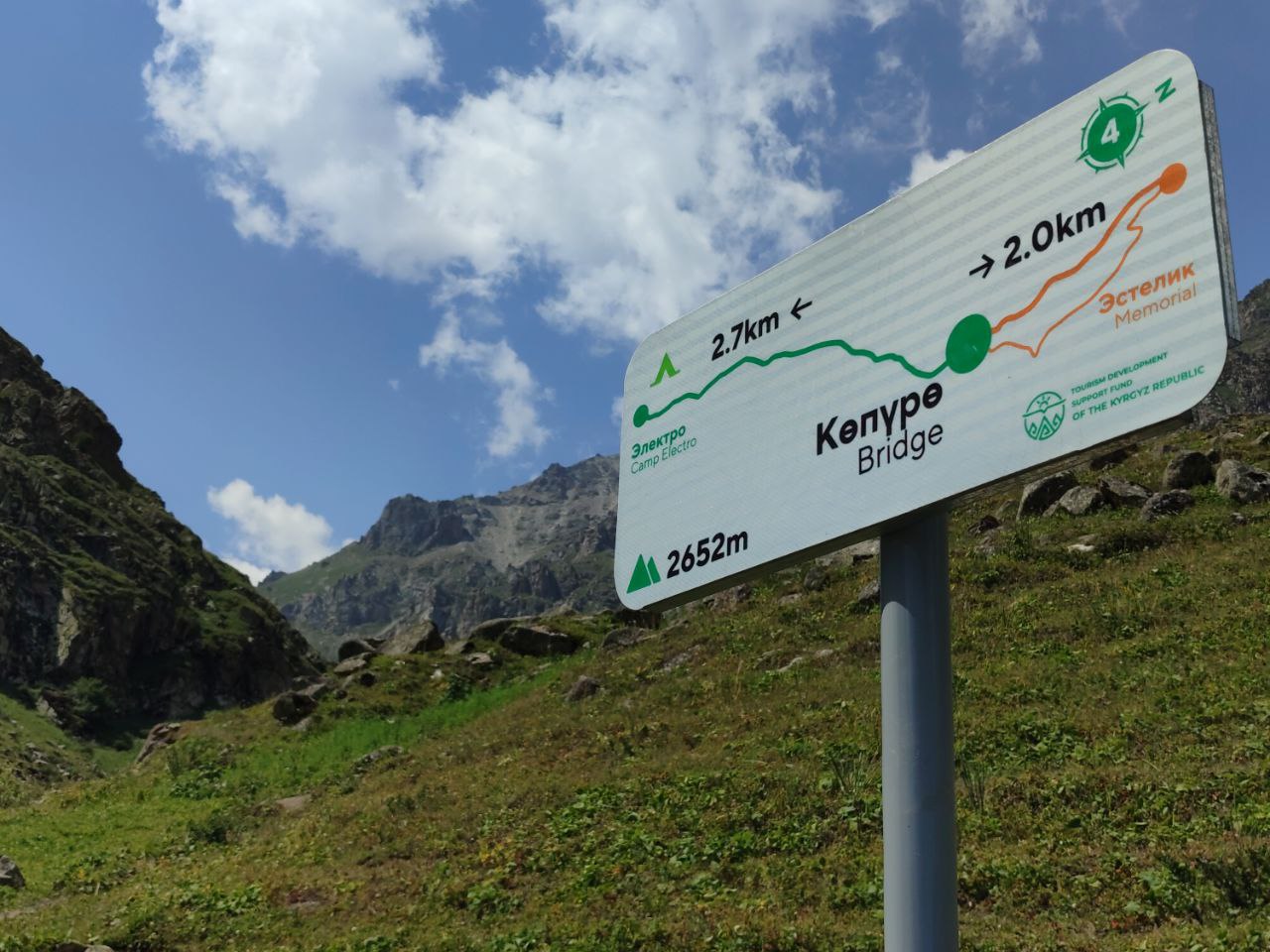
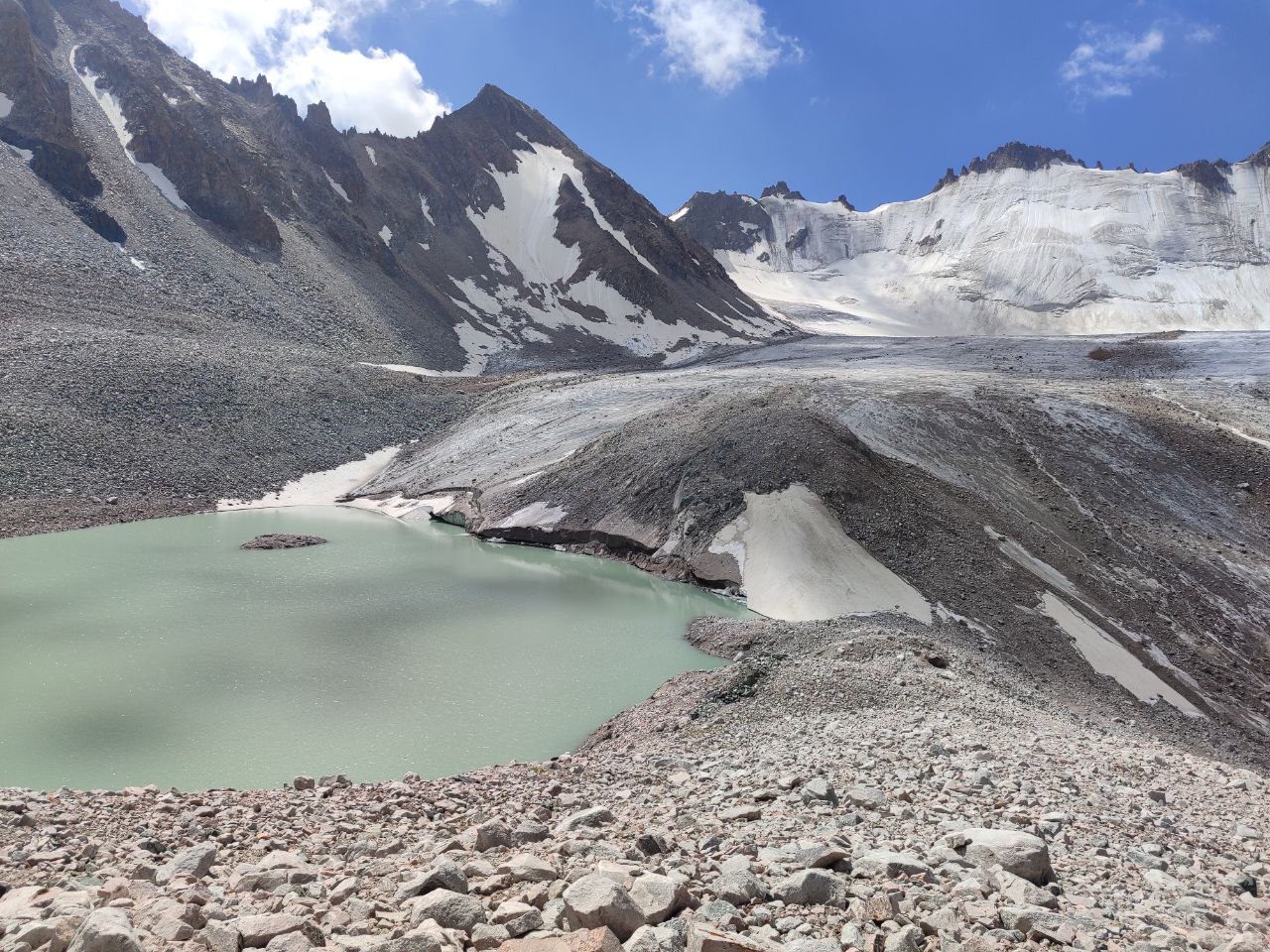
21 июля исследовательская группа ISOC отправилась в экспедицию к ледниковому озеру Адыгене, стратегически расположенному в 60 км к юго-юго-западу от Бишкека. Это высокогорное ледниковое озеро, расположенное на высоте 3600 м в верховьях долины реки Адыгене, левого притока реки Ала-Арча является нашей следующей пилотной локацией для размещения IoT-датчиков, предназначенных для мониторинга паводков, вызванных прорывами ледникового озера.

Адыгене, расположенный на морене ледника, включает в себя еще три озера на юге и юго-востоке. Самое юго-восточное озеро, расположенное на высоте 3640 метров, образовалось вдоль северного края ледника, южным берегом примыкая к самому леднику. Озеро имеет длину 188 метров и ширину 70 метров в самом широком месте, имеет периметр 550 метров и площадь 17 142 квадратных метра. Ручей течет с северо-восточной стороны и после 330-метрового пути сливается с небольшим моренным озером. Кроме того, в южной части озера расположены еще десять небольших моренных озер.

Под руководством нашего партнера – Института водных проблем АН КР – на ледниковом озере Адыгене проводиись мониторинги с использованием различных технологических средств. Станция Адыгене, созданная в 2008 году, играет ключевую роль в изучении высокогорных озер и ледников, одновременно защищая местное население от потенциальных прорывов. Рядом со станцией установлена традиционная метеорологическая станция, где исследователи вручную собирают ежедневные данные с помощью датчиков и получают информацию с автоматической станции.

Первоначально из-за отсутствия покрытия мобильной связи использовалась геостационарная спутниковая связь. Однако из-за бюджетных ограничений от этого варианта отказались, учитывая непомерные для бюджета Института ежемесячные расходы в размере от 200 до 500 долларов США на связь.

Признавая наличие прямой видимости с определенных участков с базовыми станциями Чуйской долины, исследовательская группа Кыргызского отделения ISOC и ICTP предложила внедрить LoRaWAN технологию, которая могла быть обеспечить круглосуточный мониторинг в режиме реального времени, 7 дней в неделю по более доступному ежемесячному тарифу на подключение к GSM за 3 доллара.

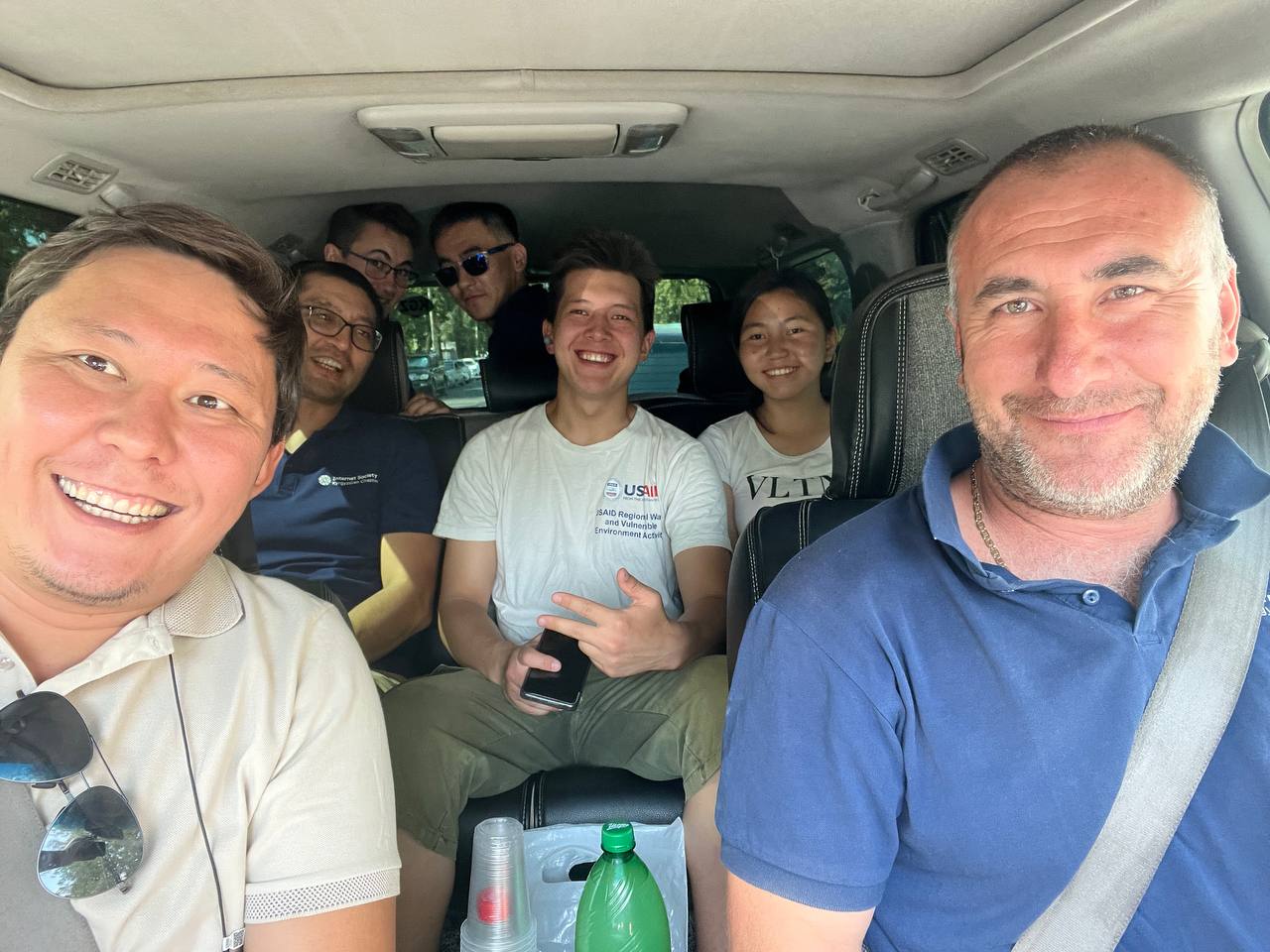
Руководствуясь этим стратегическим обоснованием, члены Кыргызского отделения ISOC и стажеры Института водных проблем отправились в утомительный шестичасовой поход к месту происшествия. Путешествие характеризовалось сложным рельефом, переходом от жаркой летней погоды к дождливой и ветреной погоде, сопровождавшейся колебаниями температуры до 20 градусов.

Достигнув пункта назначения, команда тщательно оценила возможности подключения, определила потенциальные места для установки коммуникационного шлюза, определила типы необходимых измерений и датчиков и наметила необходимые установки мачт. После напряженного дня поздно вечером команда вернулась на главную дорогу национального парка Ала-Арча. На основе собранных данных был сформулирован комплексный план работ и логистики для установки инфраструктуры Интернета вещей на ледниковом озере Адыгене.

Ongoing maintenance ensure optimal performance of lora-enabled sensors

The ISOC Kyrgyz Chapter team has been actively engaging in routine maintenance visits to our pilot locations. Since the initial installation of LoRa-enabled sensors, certain units have necessitated additional on-site attention to ensure optimal performance.

In some instances, ensuring the proper functioning of sensors called for tasks such as excavation from the soil, recalibration, and subsequent reburial. In other cases, the effective operation of sensors demanded the application of specific, albeit previously undocumented, installation techniques. Additionally, challenges arose in certain cases due to inconsistent sensor quality from specific vendors.

To address these complexities, interns from the Institute of Water Problems were actively involved in the process. Their participation served a dual purpose – to offer hands-on training and education and to facilitate the exchange of expertise with students.

As we continue to progress through the data collection stage of our research project, these maintenance efforts remain instrumental in ensuring the accuracy and reliability of our LoRa-enabled sensors in diverse environmental conditions.

LoraWan IoT Data Dashboard

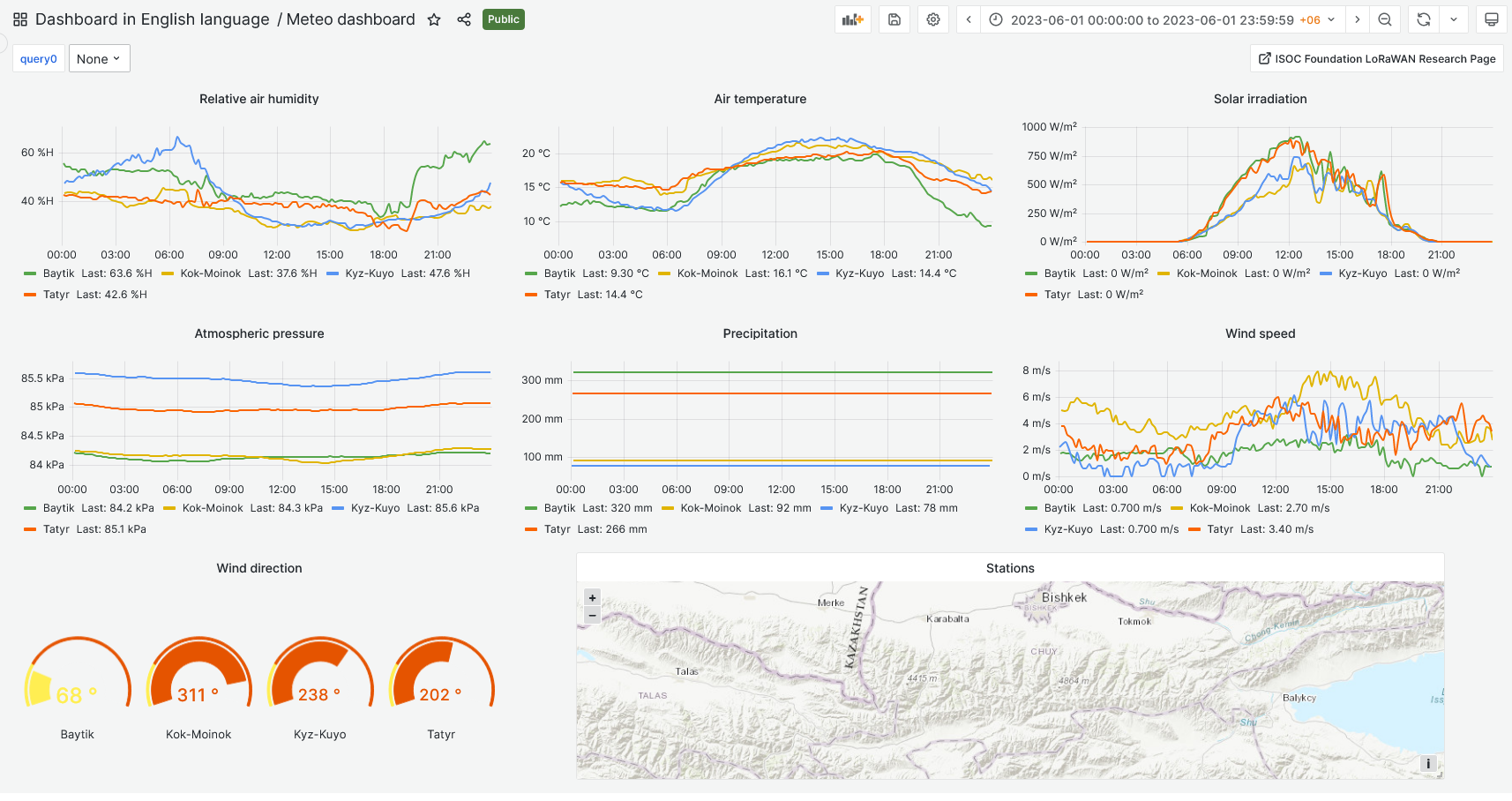
The team created beta version of the dashboard visualization of the project data collected from pilot locations.

The dashboard represents visualization of the following data: relative air humidity, air temperature, solar irradiation, atmospheric pressure, precipitation, wind speed, wind direction. The other dashboard represents visualization of the following data: soil moisture and precipitation, water level. Dashboards are available in Kyrgyz, English and Russian languages. Some dashboards are specially designed for local communities to use for the benefit of community.

We believe in open source solutions. That’s why we use Grafana – a multi-platform open source analytics and interactive visualization web application.The information gathered from Lora-enabled sensors through Lorawan communication gateways and transmitted to the central server via GSM network. Collected IoT telemetry data stored on servers and then visualized using Grafana software. Up-to date information is available via link: http://dashboard.isoc.kg

Note. Since its scientific project, some publicly available data may have wrong parameters or data due to internal experiments, settings, tuning, etc. Please consult before use in research purposes.

ISOC Kyrgyz Chapter and the Institute of Water Problems Collaborate for High Mountain Glacier Lake Monitoring

2023-жылдын 19-майында Интернет Коомунун (ISOC) Кыргыз бөлүмү Кыргыз Республикасынын Илимдер академиясына караштуу Суу проблемалары институту менен чечүүчү жыйын өткөрдү. Талкуу бийик тоолуу мөңгү көлдөрүнүн мониторингинин учурдагы абалы, ISOC долбоорунун кыргыз окумуштуулары үчүн потенциалдуу пайдасы жана сенсорлорду орнотуу боюнча алдыдагы пландардын тегерегинде жүрдү.

Бийик тоолуу мөңгү көлдөрүнүн мониторинги, алардын жергиликтүү жана аймактык суу балансын сактоодогу маанилүү ролун эске алуу менен, өтө маанилүү тема болуп саналат. Бирок, алыскы жерлер, катаал экологиялык шарттар жана техникалык чектөөлөр сыяктуу кыйынчылыктар көп учурда комплекстүү мониторингди татаал милдет кылып койгон. Жолугушуунун жүрүшүндө ISOC Кыргыз бөлүмүнүн өкүлдөрү технологияны инновациялык колдонуу аркылуу бул тоскоолдуктарды жеңүүгө багытталган өздөрүнүн илимий долбоору менен тааныштырышты.

ISOC Фонду каржылаган изилдөө гранттарынын долбоорунун алкагында ISOC Кыргыз бөлүмү Адыгене мөңгү көлүндө жана ага чектеш мореналарда метеорологиялык станцияларды, кардын деңгээлин өлчөө датчиктерин жана сууну өлчөө датчиктерин орнотууну пландаштырууда. Бул долбоор курчап турган чөйрөнүн ар кандай параметрлери боюнча реалдуу убакыт маалыматтарды берүү үчүн өнүккөн Lorawan иштетилген сенсорлорду колдонот. Бул демилге менен Глава мөңгүлөрдүн жүрүм-турумун так түшүнүүгө жана болжолдоого илимпоздорго жардам бере турган маалыматтардын ишенимдүү жана ырааттуу агымын камсыз кылуу аркылуу учурдагы мониторинг аракеттерин бекемдөөгө багытталган.

Жолугушуунун катышуучулары сенсорлорду орнотуунун мүмкүн болуучу мөөнөттөрүн талкуулап, аны 2023-жылдын июнь-июль айларына чейин кыскартышты. Бул график мындай операциялар үчүн оптималдуу аба ырайынын шарттарына шайкеш келип, орнотуунун коопсуз жана натыйжалуу жол-жоболорун жүргүзүүгө мүмкүндүк берет.

Кыргызстандагы суу менен байланышкан изилдөөлөр боюнча алдыңкы орган болгон Суу проблемалары институту ISOCтын Кыргыз бөлүмүнүн изилдөө иштерине жогору баа берди. Институт мөңгүлөрдүн мониторингинин көйгөйлөрүн чечүүдөгү техникалык ыкманы жогору баалады жана бул изилдөө долбоорунун оң натыйжалары жөнүндө оптимизмди билдирди. Кызматташуу салттуу талаа изилдөөлөрүн алдыңкы технология менен айкалыштыруу аркылуу Кыргызстандын илимий ландшафтын байытууга карай олуттуу кадамды билдирет.

Долбоор ишке ашкан сайын мөңгү көлдөрүнүн динамикасын тереңирээк түшүнүүгө салым кошот. Андан да маанилүүсү, ал суу ресурстарын башкаруу, кырсыктарды болжолдоо жана климаттын өзгөрүшүн азайтуу аракеттери үчүн иш жүзүндөгү түшүнүктөрдү берет, ошону менен айлана-чөйрөнү коргоодо технологиянын трансформациялык ролун баса белгилейт.

Installing Automatic Weather Stations and Sensors for Local Monitoring in the Boom Gorge

The ISOC Kyrgyz Chapter team, in response to a request from the Ministry of Emergency Situations, has made a crucial advancement in natural disaster mitigation and management. From May 7 to May 17, 2023, the team installed two Lorawan-enabled meteostations and additional sensors in the Boom Gorge of the Kyrgyz Republic. This vital initiative aims to enhance the understanding and monitoring of the region’s distinct microclimate, providing key data to inform preemptive action and disaster management.

The Boom Gorge, marked by unique orographic features and a complex geological structure, has historically grappled with the impacts of heavy rainfalls. These intense precipitations often trigger powerful mudflows, draining from side valleys onto railroads and roads, causing significant infrastructural damage and posing public safety risks. Given the challenges posed by climate change, obtaining accurate and reliable local environmental and meteorological data in this region is becoming increasingly crucial.

In a pioneering research project, the Internet Society Kyrgyzstan Chapter, in collaboration with the Abdus Salam International Centre for Theoretical Physics and the Ministry of Emergency Situations, has been exploring the utility of data transmission using the LoRaWAN protocol in areas susceptible to hazardous natural processes and with limited cellular communications. As part of this research project, two automatic weather stations have been installed in the Boom Gorge, along with additional sensors at key locations: Kyz-Kuye and Kok-Moinok. These locations mark the entry and exit points of the gorge, respectively.

The primary aim of this project at these pilot sites is to monitor and evaluate key meteorological parameters, including precipitation, temperature, moisture, and soil temperature. By doing so, the researchers aim to deepen their understanding of these parameters’ influence on the formation of mudflows in the Boom Gorge.

This installation of automatic weather stations and additional sensors is expected to considerably enhance the accuracy and systematic assessment of meteorological parameters. The use of the LoRaWAN data protocol technology enables continuous monitoring, providing more accurate and up-to-date data while reducing connection operating costs. This invaluable data will underpin informed decisions about mudflow risks and mitigation strategies.

Moreover, the placement of these local weather stations and sensors will facilitate comprehensive studies on the influence of meteorological parameters on mudflow formation processes. In the future, the data collected will enable the Department for Monitoring and Forecasting Natural Disasters of the Ministry of Emergency Situations to determine the threshold values needed to build a high-quality temporal forecast of mudflow events in the Boom Gorge.

Through this blend of technology and scientific research, we aim to deepen our understanding of mudflow dynamics and develop effective measures to mitigate their adverse impacts on infrastructure and people’s lives. The ISOC Kyrgyz Chapter and the Department of Monitoring and Disaster Forecasting are proud to contribute to this vital research project, fostering a safer and more sustainable future for the region.

The Internet Society Foundation’s research grant program funds this pioneering project, with the implementation by the Internet Society Kyrgyz Chapter Public Association and the Abdus Salam International Centre for Theoretical Physics.

The Project installed meteorological station and sensor to monitor Tatyr active landslide

On April 27, 2023, a team comprising representatives from the ISOC Kyrgyz Chapter, ICTP, and CAIAG successfully installed and launched Lorawan-enabled sensors on the Tatyr landslide.

The Tatyr landslide is geographically situated 30-40 km south of Bishkek. Administratively, the area is part of the Arashan aiyl district within the Alamedin district. Formed on a north-facing slope, the landslide extends for 1510 meters, with a width varying between 250 to 300 meters, and a thickness ranging from 10 to 15 meters. The landslide involves loamy soils, encompassing the underlying Paleogene-Neogene age rocks. Its formation is primarily attributed to anomalous atmospheric precipitation, coupled with the impact of groundwater emerging as springs and a proximate tectonic fault. The last significant activity was recorded in 2004 when the landslide moved 70 meters following a year of intense rainfalls. The landslide lies along the route to popular skiing locations and tourist destinations. Previously, monitoring was performed manually through periodic on-site visits. The site’s proximity to Bishkek city made it an ideal pilot location for this research project, allowing for swift sensor calibrations and validation of research goals.

Bolot Moldobekov from CAIAG provided an overview of the landslide, discussing its features, historical background, and offering practical guidance on sensor installation for accurate data collection. Ermanno Pietrosemoli from the ICTP trained the team on the installation of Lorawan gateways, antennas, signal calibration, firmware upgrading, and sensor connection via Lorawan frequencies. Marco Zennaro assisted with the installation of monitoring software, providing a practical demonstration of how MQTT works and ensuring the secure transmission of data to servers through VPN channels. All team members participated in the installation of masts, equipment, sensors, and the establishment of a protective perimeter around the site.

The sensor installation aims to practically test and validate Lorawan technology, sensors, and the power of open-source solutions. It is anticipated that the equipment will generate automatic data via Lorawan and transmit it to the servers, benefitting key stakeholders and local communities. Furthermore, the data will be visualized in a user-friendly format, enabling interested parties to understand and assess the current situation efficiently.

Additional information on the Tatyr landslide: The active 70-meter slope movement recorded in May 2004 came just a year after 2002’s high precipitation year, which triggered widespread slumping of the foothill and some mountain slopes. This suggests that the landslide’s base is permeated with groundwater from deep fractured zones, requiring substantial time to circulate. Moreover, the Tatyr landslide belongs to deep-seated landslides, encompassing significant depth of slope deposits in its movement. Landslides of this nature are known for their long periods (30-50 years) of stability.