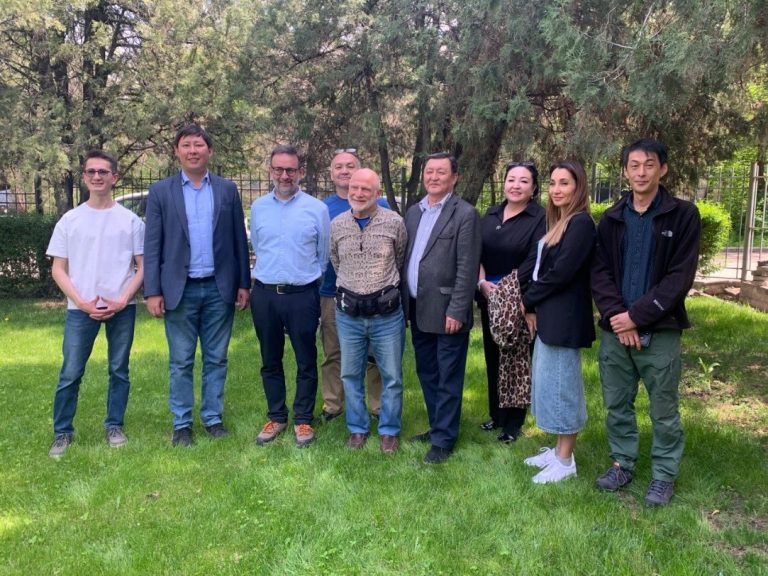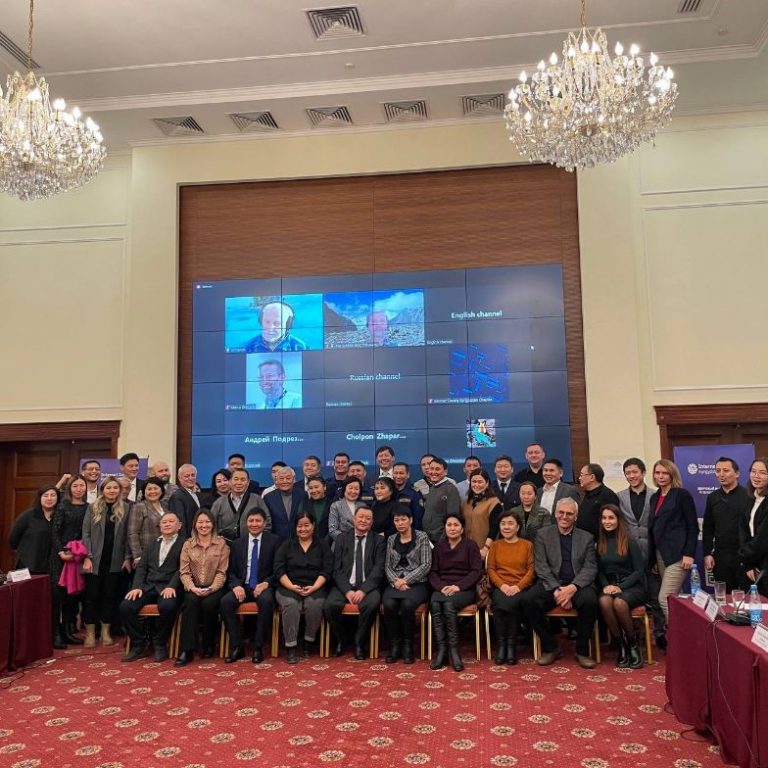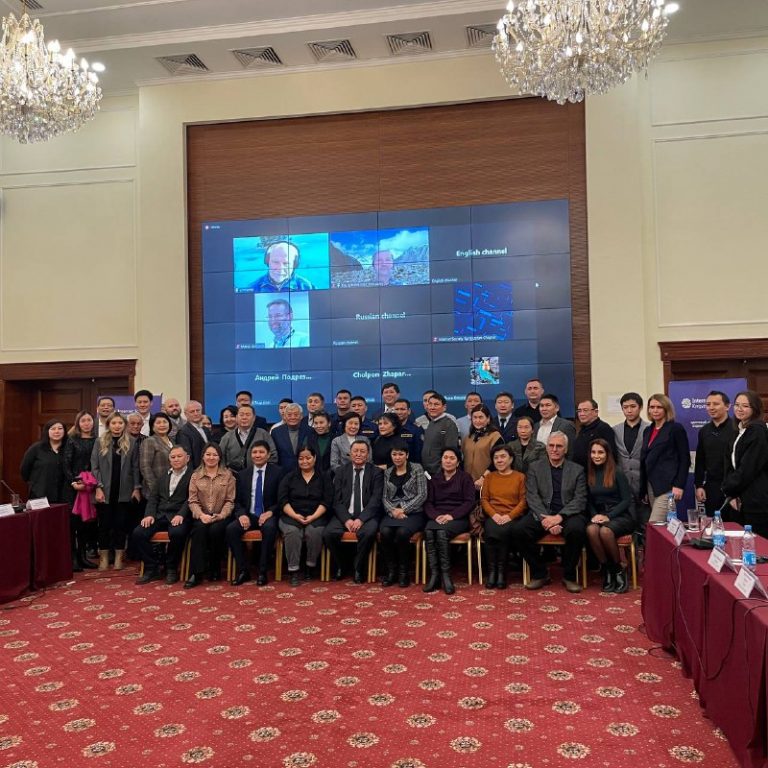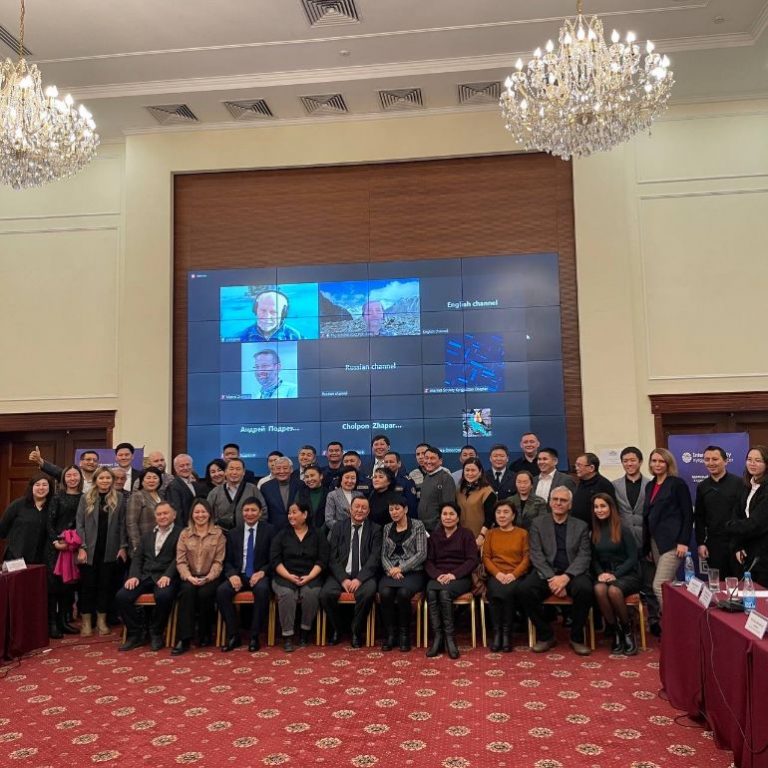
25 апреля 2023 года Кыргызское отделение Интернет Общества успешно провело форум «Применение инновационных технологий в мониторинге и прогнозировании изменения климата и стихийных бедствий» в Центрально-Азиатском институте прикладных наук о Земле (ЦАИИЗ). Форум, организованный благодаря исследовательскому гранту Фонда ISOC, собрал внушительное количество участников из 70 человек, в том числе представителей таких авторитетных учреждений, как Кыргызский государственный технический университет, Университет «Манас» и Академия наук.
На этом форуме обсуждалась жизненно важная роль технологий, особенно Интернета вещей (IoT), в смягчении последствий изменения климата и управлении стихийными бедствиями в горных странах, не имеющих выхода к морю, с особым акцентом на примере Кыргызстана. Мероприятие послужило платформой для обмена ценными идеями и знаниями, подчеркнув важность передовых технологий в мониторинге изменения климата и управлении стихийными бедствиями.
Известный эксперт Марко Зеннаро выступил инициатором основных сессий, освещающих различные возможности, доступные в Международном центре теоретической физики (МЦТФ). Впоследствии его презентация «Введение в Интернет вещей» пролила свет на то, как IoT может значительно расширить наши возможности по мониторингу и прогнозированию климатических изменений и экологических катастроф, особенно в таких сложных географических регионах, как Кыргызстан.
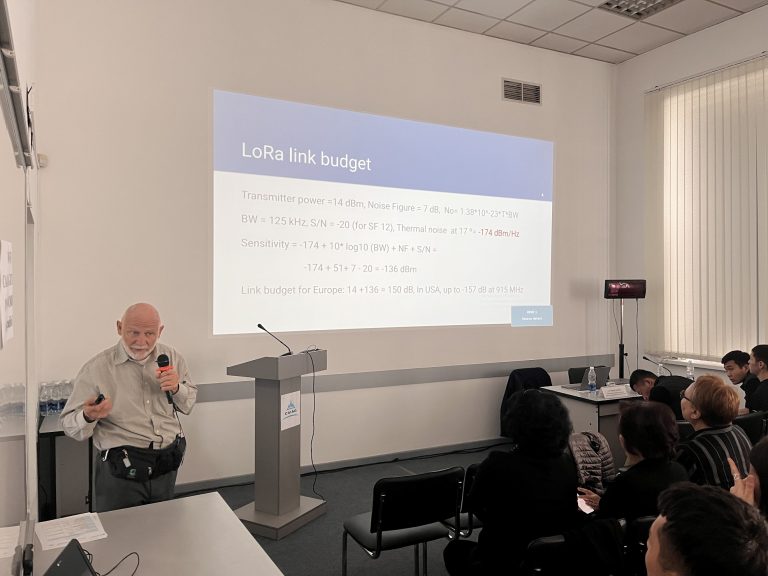
Диалог вокруг открытой и безопасной инфраструктуры IoT был углублен на сессии Эрманно Пьетросемоли «Введение в LoRaWAN». В этом выступлении был продемонстрирован потенциал LoRaWAN как маломощной беспроводной платформы дальнего действия для создания эффективной сети IoT в регионах с труднопроходимой местностью и проблемами с подключением.
Презентация Б. Молдобекова на тему «Мониторинг и прогнозирование изменения климата и стихийных бедствий» углубила понимание роли инновационных технологий в борьбе с изменением климата и управлении стихийными бедствиями. А. Зубович также подчеркнул это в своей презентации о том, как инновационные технологии могут применяться в реальных сценариях для мониторинга и прогнозирования изменения климата и стихийных бедствий.
Участники также участвовали в презентациях и дискуссиях о практическом внедрении технологий IoT, чему способствовало практическое занятие Марко Зеннаро «Использование MQTT для IoT» и содержательное занятие «Использование TinyML в мониторинге стихийных бедствий». На обоих заседаниях подчеркивалась преобразующая роль этих технологий в совершенствовании систем мониторинга и реагирования на стихийные бедствия.
Форум, организованный кыргызским отделением Айсок при поддержке ISOC Foundation, является свидетельством растущего значения IoT и других инновационных технологий в смягчении последствий изменения климата и управлении стихийными бедствиями. Сосредоточив внимание на горных странах, не имеющих выхода к морю, таких как Кыргызстан, мероприятие подчеркнуло уникальные проблемы и возможности в этих регионах. Знания и опыт, которыми мы поделились на этом форуме, несомненно, будут способствовать дальнейшему прогрессу в этой области и проложат путь к инновационным, устойчивым и устойчивым решениям нашего глобального климатического кризиса.
Author: Aziz Soltobaev
Enhancing Disaster Response in Kyrgyzstan: Installation of Lorawan-Enabled Meteo Stations at Baytik and Ala Archa Hydropost
ICTP Explores Lorawan Technology for Climate Change Monitoring in Formal Presentation
ISOC Kyrgyz Chapter demonstrates the benefits of lorawan for climate change monitoring
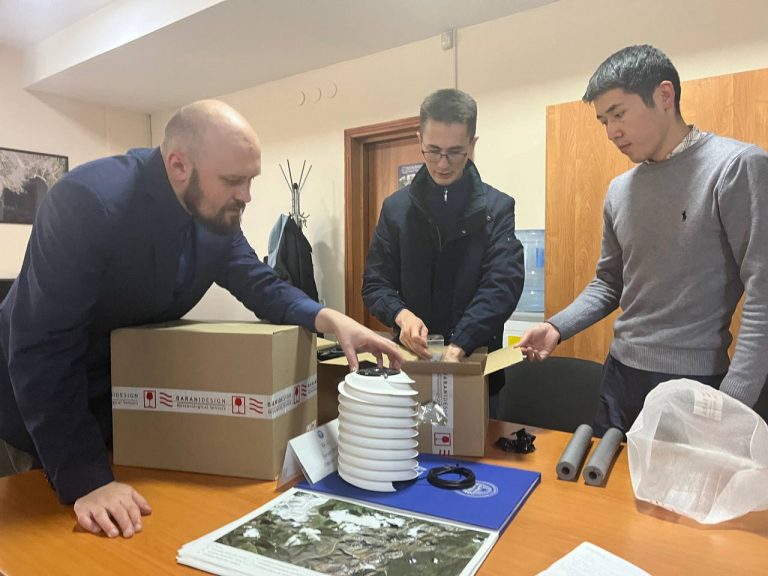
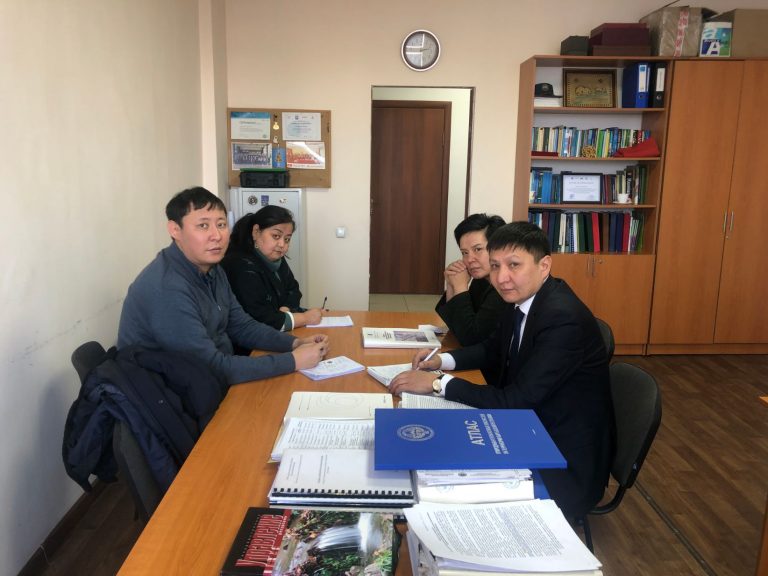
On April 6-10, 2023, the research team of the Kyrgyz branch of the Internet Society conducted a demonstration of automatic weather stations and other lorawan-enabled sensors for key project partners. The team visited various partners where they carefully unpacked all the sensors and discussed in detail the specifications and suitability of the sensors for pilot locations.
To provide partners with a comprehensive understanding of the sensors and their potential benefits, the team distributed demo products for in-house testing. This allowed partners to gain first-hand experience with the sensors and understand how they work, as well as understand their potential benefits in achieving project goals and future applications.
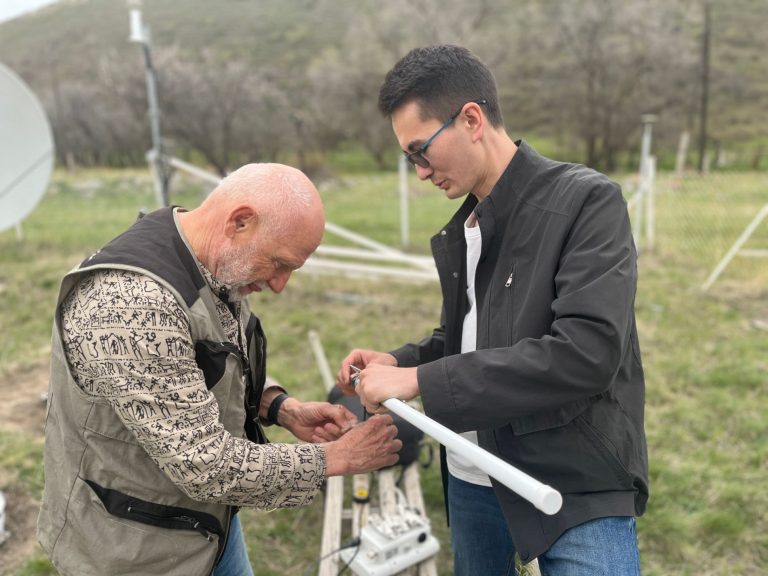
An important aspect of the research project is the installation of these sensors in pilot sites by the joint efforts of the Kyrgyz branch of ISOC and the team of the Abdus Salam International Center for Theoretical Physics (Italy). By collecting data from these sensors, the project aims to demonstrate the significant value of lorawan technology to key stakeholders.
LoRaWAN (Long Range Wide Area Network) is a wireless communication protocol specifically designed for Internet of Things (IoT) applications. It provides long-range, low-power communications between IoT devices and gateways, making it ideal for connecting sensors and other devices in a variety of settings including smart cities, agriculture, logistics, and environmental monitoring.
One of the main advantages of LoRaWAN technology is its range. It can provide communication for tens of kilometers even in areas with limited technical infrastructure. This makes it suitable for deploying IoT devices in remote locations or areas inaccessible to traditional mobile networks.
Another key benefit of LoRaWAN is its low power consumption. IoT devices using this technology can operate on battery power for long periods of time, sometimes up to ten years. The energy-saving nature of LoRaWAN allows IoT devices to be deployed in remote or inaccessible areas where power supplies are limited or difficult to maintain.
In addition, LoRaWAN supports secure and reliable communications. It includes end-to-end encryption and authentication mechanisms to ensure the confidentiality and integrity of data transmitted between devices and gateways. This makes it suitable for applications that use sensitive or sensitive data such as environmental monitoring systems or industrial IoT deployments.
Thus, lorawan technology offers long distance connectivity, low power consumption, economy and reliable security features. Its ability to connect IoT devices over long distances, combined with its energy efficiency, makes it an ideal choice for projects such as the one being implemented by the Kyrgyz Branch of the Internet Society. Taking advantage of lorawan technology, the project aims to collect valuable sensor data, demonstrate its value to stakeholders, and promote the development of IoT-based solutions in various fields.
For demonstration purposes, the research team uses the ISM bands. ISM stands for industrial, scientific and medical ranges. These bands enable industries to use wireless technologies without the need for individual licenses, facilitating innovation and the development of diverse applications.