Installing Automatic Weather Stations and Sensors for Local Monitoring in the Boom Gorge

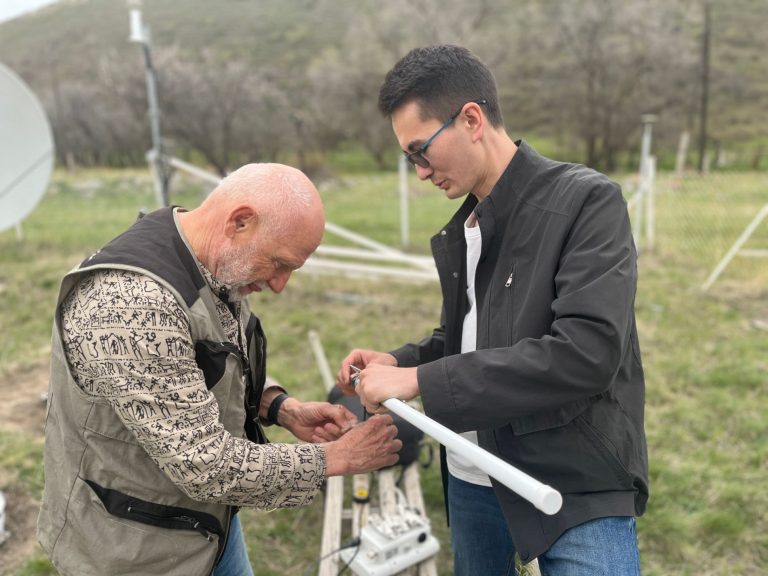
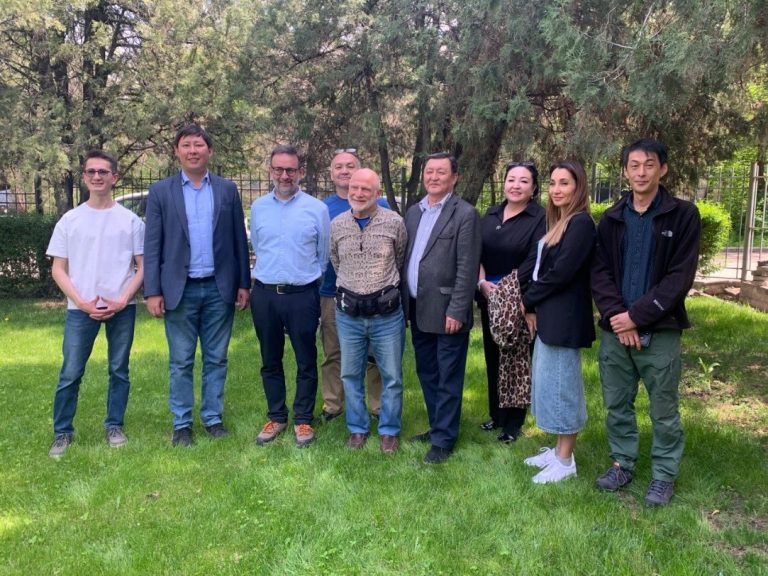
The ISOC Kyrgyz Chapter team, in response to a request from the Ministry of Emergency Situations, has made a crucial advancement in natural disaster mitigation and management. From May 7 to May 17, 2023, the team installed two Lorawan-enabled meteostations and additional sensors in the Boom Gorge of the Kyrgyz Republic. This vital initiative aims to enhance the understanding and monitoring of the region’s distinct microclimate, providing key data to inform preemptive action and disaster management.

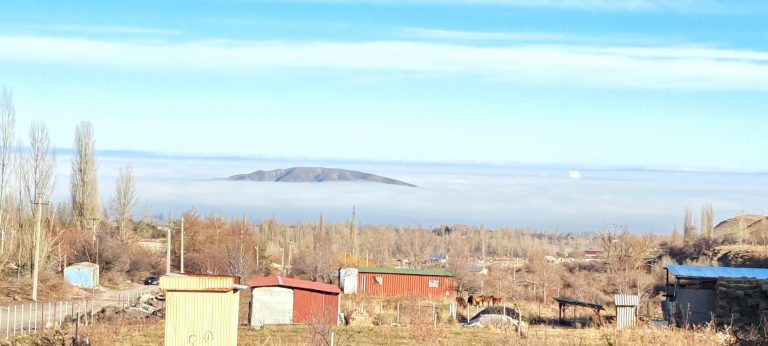
The Boom Gorge, marked by unique orographic features and a complex geological structure, has historically grappled with the impacts of heavy rainfalls. These intense precipitations often trigger powerful mudflows, draining from side valleys onto railroads and roads, causing significant infrastructural damage and posing public safety risks. Given the challenges posed by climate change, obtaining accurate and reliable local environmental and meteorological data in this region is becoming increasingly crucial.

In a pioneering research project, the Internet Society Kyrgyzstan Chapter, in collaboration with the Abdus Salam International Centre for Theoretical Physics and the Ministry of Emergency Situations, has been exploring the utility of data transmission using the LoRaWAN protocol in areas susceptible to hazardous natural processes and with limited cellular communications. As part of this research project, two automatic weather stations have been installed in the Boom Gorge, along with additional sensors at key locations: Kyz-Kuye and Kok-Moinok. These locations mark the entry and exit points of the gorge, respectively.

The primary aim of this project at these pilot sites is to monitor and evaluate key meteorological parameters, including precipitation, temperature, moisture, and soil temperature. By doing so, the researchers aim to deepen their understanding of these parameters’ influence on the formation of mudflows in the Boom Gorge.

This installation of automatic weather stations and additional sensors is expected to considerably enhance the accuracy and systematic assessment of meteorological parameters. The use of the LoRaWAN data protocol technology enables continuous monitoring, providing more accurate and up-to-date data while reducing connection operating costs. This invaluable data will underpin informed decisions about mudflow risks and mitigation strategies.

Moreover, the placement of these local weather stations and sensors will facilitate comprehensive studies on the influence of meteorological parameters on mudflow formation processes. In the future, the data collected will enable the Department for Monitoring and Forecasting Natural Disasters of the Ministry of Emergency Situations to determine the threshold values needed to build a high-quality temporal forecast of mudflow events in the Boom Gorge.

Through this blend of technology and scientific research, we aim to deepen our understanding of mudflow dynamics and develop effective measures to mitigate their adverse impacts on infrastructure and people’s lives. The ISOC Kyrgyz Chapter and the Department of Monitoring and Disaster Forecasting are proud to contribute to this vital research project, fostering a safer and more sustainable future for the region.

The Internet Society Foundation’s research grant program funds this pioneering project, with the implementation by the Internet Society Kyrgyz Chapter Public Association and the Abdus Salam International Centre for Theoretical Physics.

Татырдагы жер көчкүнү көзөмөлдөө үчүн датчиктер орнотулду

On April 27, 2023, a team comprising representatives from the ISOC Kyrgyz Chapter, ICTP, and CAIAG successfully installed and launched Lorawan-enabled sensors on the Tatyr landslide.

The Tatyr landslide is geographically situated 30-40 km south of Bishkek. Administratively, the area is part of the Arashan aiyl district within the Alamedin district. Formed on a north-facing slope, the landslide extends for 1510 meters, with a width varying between 250 to 300 meters, and a thickness ranging from 10 to 15 meters. The landslide involves loamy soils, encompassing the underlying Paleogene-Neogene age rocks. Its formation is primarily attributed to anomalous atmospheric precipitation, coupled with the impact of groundwater emerging as springs and a proximate tectonic fault. The last significant activity was recorded in 2004 when the landslide moved 70 meters following a year of intense rainfalls. The landslide lies along the route to popular skiing locations and tourist destinations. Previously, monitoring was performed manually through periodic on-site visits. The site’s proximity to Bishkek city made it an ideal pilot location for this research project, allowing for swift sensor calibrations and validation of research goals.

Bolot Moldobekov from CAIAG provided an overview of the landslide, discussing its features, historical background, and offering practical guidance on sensor installation for accurate data collection. Ermanno Pietrosemoli from the ICTP trained the team on the installation of Lorawan gateways, antennas, signal calibration, firmware upgrading, and sensor connection via Lorawan frequencies. Marco Zennaro assisted with the installation of monitoring software, providing a practical demonstration of how MQTT works and ensuring the secure transmission of data to servers through VPN channels. All team members participated in the installation of masts, equipment, sensors, and the establishment of a protective perimeter around the site.

The sensor installation aims to practically test and validate Lorawan technology, sensors, and the power of open-source solutions. It is anticipated that the equipment will generate automatic data via Lorawan and transmit it to the servers, benefitting key stakeholders and local communities. Furthermore, the data will be visualized in a user-friendly format, enabling interested parties to understand and assess the current situation efficiently.

Additional information on the Tatyr landslide: The active 70-meter slope movement recorded in May 2004 came just a year after 2002’s high precipitation year, which triggered widespread slumping of the foothill and some mountain slopes. This suggests that the landslide’s base is permeated with groundwater from deep fractured zones, requiring substantial time to circulate. Moreover, the Tatyr landslide belongs to deep-seated landslides, encompassing significant depth of slope deposits in its movement. Landslides of this nature are known for their long periods (30-50 years) of stability.

Климаттын жана башкаруу стихиясынын бедствиями үчүн IoT форуму

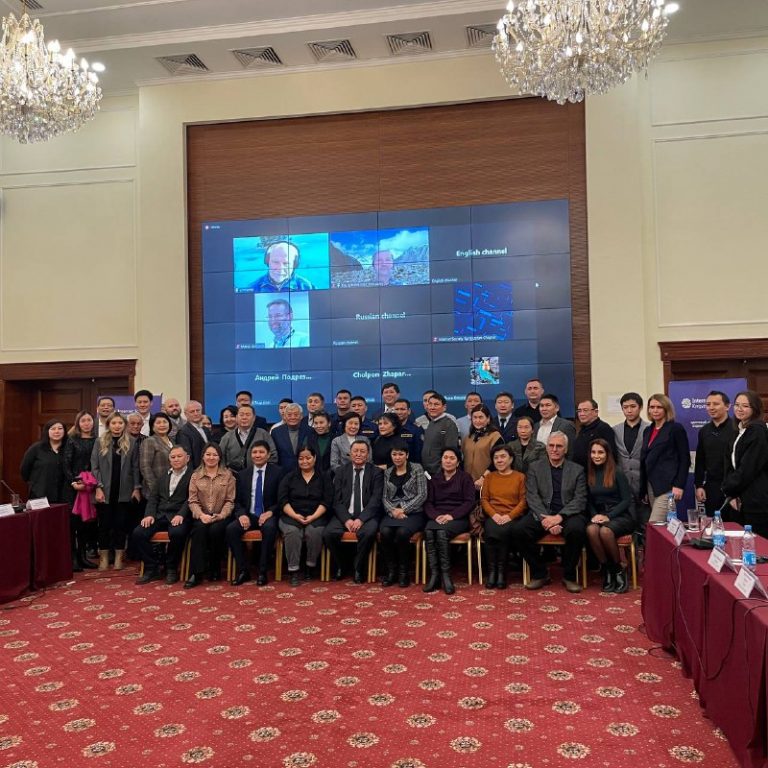
On April 25, 2023, the Internet Society Kyrgyz Chapter successfully hosted forum titled “Application of Innovative Technologies in Monitoring and Forecasting Climate Change and Natural Disasters” at the Central-Asian Institute for Applied Geoscience (CAIAG). Organized thanks to a research grant from the ISOC Foundation, the forum drew an impressive crowd of 70 participants, including representatives from esteemed institutions such as the Kyrgyz State Technical University, Manas University, and the Academy of Sciences.

This forum addressed the vital role of technology, especially the Internet of Things (IoT), in mitigating climate change and managing disasters in landlocked, mountainous countries, with a particular focus on the case of Kyrgyzstan. The event served as a platform for sharing valuable insights and knowledge, reinforcing the importance of advanced technologies in climate change monitoring and disaster management.

Renowned expert Marco Zennaro initiated the substantive sessions, illuminating the various opportunities available at the International Centre for Theoretical Physics (ICTP). Subsequently, his presentation “Introduction to the Internet of Things” shed light on how IoT can dramatically enhance our capabilities to monitor and predict climatic changes and environmental disasters, especially in challenging geographies like Kyrgyzstan.

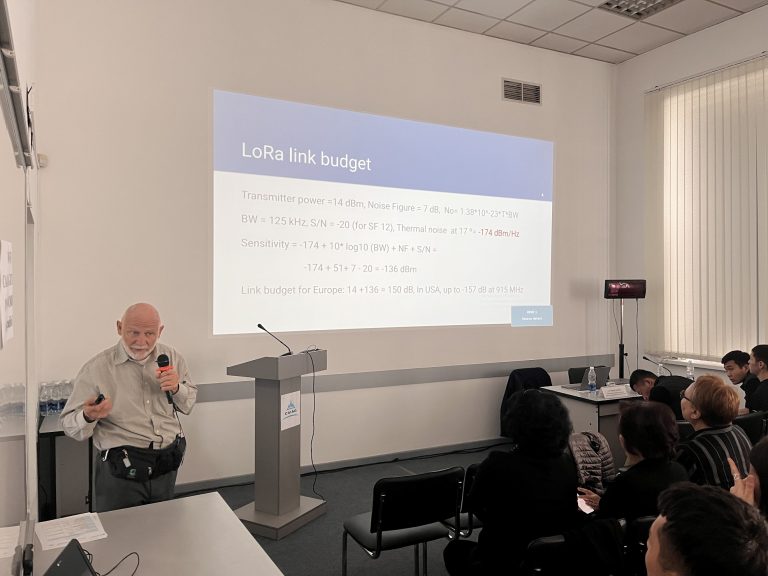
The dialogue around an open and secure IoT infrastructure was deepened by Ermanno Pietrosemoli’s session on “Introduction to LoRaWAN.” This discourse showcased the potential of LoRaWAN as a long-range, low-power wireless platform for establishing an effective IoT network in regions characterized by difficult terrains and connectivity challenges.

B. Moldobekov’s presentation on “Monitoring and Forecasting of Climate Change and Natural Disasters” deepened the understanding of the role that innovative technologies play in tackling climate change and managing natural disasters. A. Zubovich further highlighted this with his presentation on how innovative technologies can be applied in real-world scenarios to monitor and forecast climate change and natural disasters.

Participants were also engaged in presentations and discussions around the practical implementation of IoT technologies, facilitated by Marco Zennaro’s hands-on lab session on the “Use of MQTT for IoT” and the insightful session on the “Use of TinyML in Disaster Monitoring”. Both sessions highlighted the transformative role of these technologies in enhancing disaster monitoring and response systems.

The forum, organized by the Internet Society Kyrgyz Chapter and supported by the ISOC Foundation, is a testament to the growing significance of IoT and other innovative technologies in climate change mitigation and disaster management. By focusing on landlocked mountainous countries like Kyrgyzstan, the event underscored the unique challenges and opportunities in these regions. The insights and experiences shared during this forum will undoubtedly shape further advancements in the field and pave the way for innovative, resilient, and sustainable solutions to our global climate crisis.

Байтик жана Ала-Арча гидропостунда Лораван менен иштөөчү метеостанцияларды орнотуу

A significant stride has been made in the realm of disaster response and climate research in Kyrgyzstan, spearheaded by the ISOC Kyrgyz Chapter, the Abdus Salam International Centre for Theoretical Physics (ICTP), and the Central-Asian Institute for Applied Geosciences (CAIAG). In a bid to demonstrate the capabilities of Lorawan technology and to validate its consistency with existing meteorological systems, Lorawan-enabled meteo stations and additional sensors have been installed at the Baytik Meteorological Center and the Ala Archa Hydropost on April 24, 2023.

The selection of these sites was strategic, not only due to their locations but also due to the unique opportunities they present for comparing data with existing meteo stations operating under different systems. By analyzing and comparing the data gathered from these stations, the team aims to validate the consistency, accuracy, and relevancy of the data generated by the Lorawan-enabled technology.

Barani Design meteo stations have been chosen for this project due to their reputation for providing reliable, accurate, and high-quality data. These stations measure several key parameters, including temperature, humidity, atmospheric pressure, wind speed and direction, solar radiation, and rainfall. The wide array of indicators provided by Barani Design meteo stations offers a comprehensive picture of local climatic conditions, essential for informing climate research and disaster response strategies. in addition, several other sensors from different vendors had been selected to measure height of the river and speed of waterflow on Kashka Suu river.

Each partner organization played a critical role in this installation. CAIAG, known for their extensive work in applied geosciences, provided the locations, conducted preliminary construction works (such as the installation of masts, fences, and photovoltaics), and offered expert guidance to ensure that the installations were conducted in accordance with global standards. ISOC Kyrgyz Chapter and ICTP provided the necessary expertise and knowledge in Lorawan technology, ensuring seamless integration of these sensors into the broader network.

The Baytik Meteorological Center, located in a significant climatic area, offers critical insights into local and regional weather patterns. Meanwhile, the Ala Archa Hydropost plays a crucial role in monitoring water levels, enabling early detection and warnings of potential floods. The installation of Lorawan-enabled sensors at these locations will greatly enhance the accuracy and timeliness of data collected, further aiding in the decision-making process for disaster management.

Through this partnership, ISOC Kyrgyz Chapter, ICTP, and CAIAG demonstrate a steadfast commitment to enhancing climate research and disaster response capabilities in Kyrgyzstan. By leveraging advanced technology like Lorawan, these organizations are working towards a future where data-driven decisions can significantly mitigate the impact of natural disasters, safeguarding communities and infrastructure.

ICTP презентацияда Климаттын өзгөрүшүнө мониторинг жүргүзүү үчүн Лораван технологиясын изилдейт

On April 24, 2023, a seminal roundtable discussion was hosted at the premises of the Central-Asian Institute for Applied Geosciences (CAIAG), an internationally recognized center for geoscience research. The roundtable was led by the Abdus Salam International Centre for Theoretical Physics (ICTP) team, who presented on the potential of Lorawan technology, its relevant communication protocols, and the historical footprint of ICTP’s activities in this domain.

The discussion was attended by a variety of key stakeholders involved in climate change monitoring, including members from pertinent ministries, state agencies, and academicians. This roundtable discussion is part of a broader research grants project funded by the Internet Society (ISOC) Foundation and led by the Internet Society Kyrgyz Chapter, aimed at enhancing the understanding and utilization of ICT solutions for monitoring environmental changes.

Lorawan technology, a suite of long-range, low-power communication protocols, was the central focus of the presentation. The ICTP team delved into the operational intricacies of the technology, emphasizing its significance in data collection, remote environmental monitoring, and real-time analysis.

The presentation was spearheaded by Ermanno Pietrosemoli and Marco Zennaro, two prominent members of ICTP.

Ermanno Pietrosemoli is a renowned pioneer in the field of wireless networking technology, best known for his significant contributions to bridging digital divides, particularly in Latin America. With his groundbreaking work, he has been instrumental in ensuring digital inclusivity, a commitment which led to his induction into the Internet Hall of Fame in 2017. Originally from Italy, Pietrosemoli moved to Venezuela, where he co-founded the Escuela Latinoamericana de Redes (EsLaRed), an organization devoted to ICT training throughout Latin America and the Caribbean. Through his commitment to EsLaRed, Pietrosemoli has facilitated knowledge sharing and technical expertise across the region, supporting local experts and researchers. Pietrosemoli has also been acclaimed for his pioneering work in long-distance Wi-Fi links. In 2007, he and his team set a world record for the longest Wi-Fi link, at a staggering distance of 382 kilometers. This achievement showcased the potential of low-cost wireless technology to bring internet connectivity to remote and rural areas.

Marco Zennaro, an ICTP research scientist, brought his extensive background in Information and Communication Technologies (ICTs) for sustainable development to the discussion. He has an extensive portfolio of publications, having written over 40 articles in peer-reviewed journals and books, all while maintaining his active involvement in scientific conferences and workshops worldwide. Some of his notable works include ‘Science Dissemination using Open Access,’ a pioneering book that explores the use of
open-access methodologies in sharing scientific research, and ‘Wireless Networking in the Developing World,’ a practical guide to using inexpensive wireless networking technology in developing areas.

The Abdus Salam International Centre for Theoretical Physics, named in honor of its founder, the Nobel Laureate Abdus Salam, is renowned for fostering scientific research in the developing world. With a legacy extending over 50 years, ICTP continues to promote scientific capacity and knowledge, underscoring the role of technology in addressing challenges like climate change.

This roundtable served as an opportunity for ICTP to demonstrate the role of innovative technologies like Lorawan in climate change monitoring. By facilitating real-time, precise data acquisition, these tools empower stakeholders to make informed decisions, thereby enhancing climate change mitigation and adaptation strategies. The roundtable underscored the continuous commitment of Pietrosemoli, Zennaro, and ICTP towards leveraging technology for sustainable development and climate action.

ISOC Кыргыз бөлүмү климаттын өзгөрүшүнө мониторинг жүргүзүү үчүн лоравандын пайдасын көрсөтөт

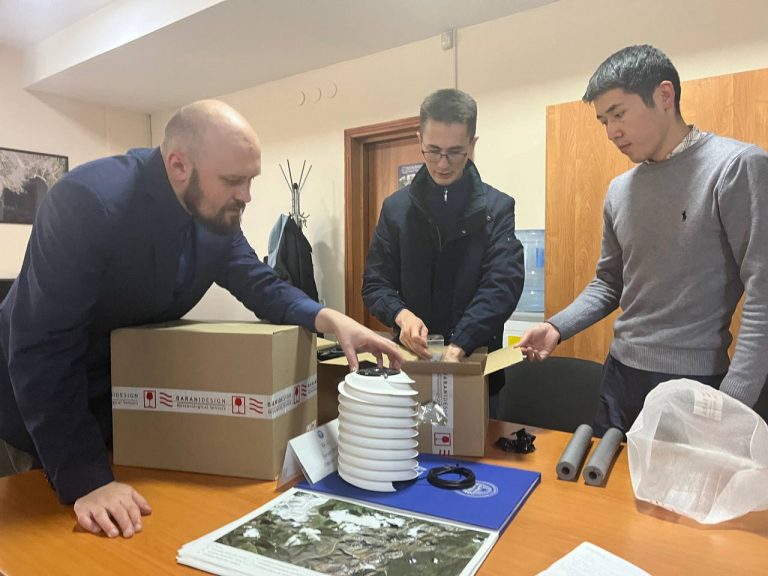
On April 6-10, 2023, the research team of the Kyrgyz branch of the Internet Society conducted a demonstration of automatic weather stations and other lorawan-enabled sensors for key project partners. The team visited various partners where they carefully unpacked all the sensors and discussed in detail the specifications and suitability of the sensors for pilot locations.
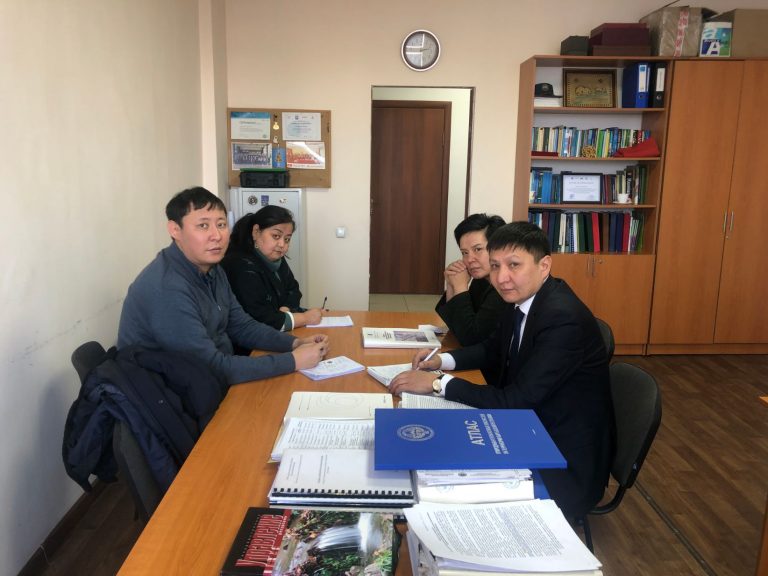
To provide partners with a comprehensive understanding of the sensors and their potential benefits, the team distributed demo products for in-house testing. This allowed partners to gain first-hand experience with the sensors and understand how they work, as well as understand their potential benefits in achieving project goals and future applications.

An important aspect of the research project is the installation of these sensors in pilot sites by the joint efforts of the Kyrgyz branch of ISOC and the team of the Abdus Salam International Center for Theoretical Physics (Italy). By collecting data from these sensors, the project aims to demonstrate the significant value of lorawan technology to key stakeholders.

LoRaWAN (Long Range Wide Area Network) is a wireless communication protocol specifically designed for Internet of Things (IoT) applications. It provides long-range, low-power communications between IoT devices and gateways, making it ideal for connecting sensors and other devices in a variety of settings including smart cities, agriculture, logistics, and environmental monitoring.

One of the main advantages of LoRaWAN technology is its range. It can provide communication for tens of kilometers even in areas with limited technical infrastructure. This makes it suitable for deploying IoT devices in remote locations or areas inaccessible to traditional mobile networks.

Another key benefit of LoRaWAN is its low power consumption. IoT devices using this technology can operate on battery power for long periods of time, sometimes up to ten years. The energy-saving nature of LoRaWAN allows IoT devices to be deployed in remote or inaccessible areas where power supplies are limited or difficult to maintain.

In addition, LoRaWAN supports secure and reliable communications. It includes end-to-end encryption and authentication mechanisms to ensure the confidentiality and integrity of data transmitted between devices and gateways. This makes it suitable for applications that use sensitive or sensitive data such as environmental monitoring systems or industrial IoT deployments.

Thus, lorawan technology offers long distance connectivity, low power consumption, economy and reliable security features. Its ability to connect IoT devices over long distances, combined with its energy efficiency, makes it an ideal choice for projects such as the one being implemented by the Kyrgyz Branch of the Internet Society. Taking advantage of lorawan technology, the project aims to collect valuable sensor data, demonstrate its value to stakeholders, and promote the development of IoT-based solutions in various fields.

For demonstration purposes, the research team uses the ISM bands. ISM stands for industrial, scientific and medical ranges. These bands enable industries to use wireless technologies without the need for individual licenses, facilitating innovation and the development of diverse applications.

ӨКМге караштуу Мониторинг жана прогноз департаменти менен жолугушуу

В области мониторинга стихийных бедствий и реагирования на изменение климата внедрение инновационных информационных и коммуникационных технологий все чаще рассматривается как важное достижение. Именно в этом контексте 27 декабря 2022 года состоялась последующая встреча между Исследовательской группой Кыргызского отделения Интернет Общества и Департаментом мониторинга и прогнозирования Министерства по чрезвычайным ситуациям Кыргызской Республики. Эта встреча стала продолжением форума по запуску проекта, целью которого было наметить пути будущего сотрудничества между ключевыми заинтересованными сторонами и подчеркнуть первостепенную важность внедрения передовых цифровых решений в усилия по управлению рисками бедствий.

Азиз Солтобаев, руководитель проекта, подробно рассказал о целях исследования, привлеченных партнерах, этапах реализации проекта и ожидаемых результатах. Одним из важных аспектов, на которые он обратил внимание, был потенциал Интернета вещей (IoT) в мониторинге стихийных бедствий в Кыргызской Республике. Использование технологии IoT, в частности посредством применения LoRaWAN (сети дальнего радиуса действия), имеет большие перспективы в предоставлении высококачественных данных в режиме реального времени, которые имеют решающее значение для принятия обоснованных решений по смягчению последствий стихийных бедствий и адаптации к ним.

Заинтересованность министерства в проекте прямо выразил г-н Даурбек Джоомартович Сакиев, начальник отдела мониторинга и прогнозирования. Он выразил их готовность внести свой вклад в достижение целей исследования, особенно тех, которые могут принести практическую пользу местным сообществам. В своей презентации г-н Сакиев рассказал о текущей деятельности, роли и целях Департамента, запланированных на 2023 год, подкрепив приверженность Министерства использованию технологий для повышения устойчивости Кыргызской Республики к стихийным бедствиям.

Встреча заканчивается соглашением о поиске возможных мест для тестирования использования технологии LoRaWAN и IoT. Согласен, что министерство может помочь в этом. Это важное событие стало ответом на запрос Кабинета Министров по установлению методов мониторинга природных явлений в Боомском ущелье. Эта критическая территория часто подвергается риску таких стихийных бедствий, как ливни, сели. Боомское ущелье соединяет три района и в результате климатических изменений подвержено регулярным селевым потокам, которые блокировали или ограничивали транспортное сообщение от нескольких часов до нескольких дней. В 2021 году селевые потоки смыли железнодорожную инфраструктуру, что привело к значительным экономическим потерям.

Это хорошее сотрудничество прокладывает путь для более широкого использования технологий в управлении опасностями, делая большой шаг к созданию прочной цифровой основы устойчивости к изменению климата в Кыргызской Республике.

Санариптик секирик: LoRaWAN жана Кыргызстандагы климаттын өзгөрүшүн жумшартуу

Представьте, что вы выращиваете яблоки, как Аскар, и живете среди живописных пейзажей Кыргызстана. Каждый год вы ждете в ожидании подходящих климатических условий для сбора урожая. Но в последние годы непредсказуемые погодные условия и стихийные бедствия, вызванные изменением климата, сделали вас беспомощными и беспокойными. Именно здесь вступает в дело чудесная технология LoRaWAN.

На знаковом форуме «Применение инновационных технологий в мониторинге и прогнозировании изменения климата и стихийных бедствий», организованном Кыргызским отделением Интернет общества совместно с Центральноазиатским институтом прикладных наук о Земле (ЦАИИЗ), встретились эксперты со всего мира. обсудить, как бороться с изменением климата с помощью технологий. В мероприятии приняли участие ключевые заинтересованные стороны в мониторинге изменения климата, и его модерировали председатели партнерских организаций д-р Молдобеков Болот Дуйшеналиевич и г-н Талант Исакович Султанов.

LoRaWAN расшифровывается как глобальная сеть дальнего действия, цифровая технология, которая делает успехи в сфере Интернета вещей (IoT). Технология работает на «умных» датчиках, которые в режиме онлайн отслеживают показатели, анализируют их и передают данные на сервер. Это похоже на то, как ваш смартфон получает обновления о погодных условиях. Но прелесть LoRaWAN в том, что он может работать в районах с ограниченной сотовой связью, что делает его идеальным для отдаленных районов Кыргызстана.

Представьте себе: предположим, у Аскара в яблоневом саду есть датчик с поддержкой LoRaWAN. Этот датчик мог отслеживать такие факторы, как температура, влажность и осадки, необходимые для роста его яблонь. Когда приближается мороз или буря, датчик может предупредить Аскара через приложение, давая ему достаточно времени, чтобы принять превентивные меры, защищая его средства к существованию.

Но не только Аскар в выигрыше. Возьмем, к примеру, Айнуру, мать троих детей, которая живет в маленьком узгенском селе, подверженном оползням. Система раннего предупреждения на основе технологии LoRaWAN могла бы предупредить ее и ее соседей о надвигающейся катастрофе, давая им драгоценное время для эвакуации и спасения.

Форум подчеркнул решающую роль таких инновационных технологий в мониторинге и прогнозировании изменения климата и стихийных бедствий. Это пролило свет на потенциал таких технологий, как LoRaWAN, не только в улучшении нашего понимания динамики климата, но и в предоставлении нам данных, которые можно использовать для принятия обоснованных решений.

Перспективы IoT и LoRaWAN не ограничиваются несколькими людьми. Он распространяется как на ученых, политиков, фермеров, так и на обычных граждан. Перед лицом изменения климата такие технологические достижения дают надежду. Сочетание передовых технологий и традиционных практик может стать нашим ключом к смягчению неблагоприятных последствий изменения климата и обеспечению устойчивого будущего для Кыргызстана.

Этот проект финансируется Программой исследовательских грантов Фонда Интернет общества.

Forum Explores Innovative Technologies for Climate Change Monitoring and Disaster Prevention

Форум исследует инновационные технологии для мониторинга изменения климата и смягчения последствий стихийных бедствий

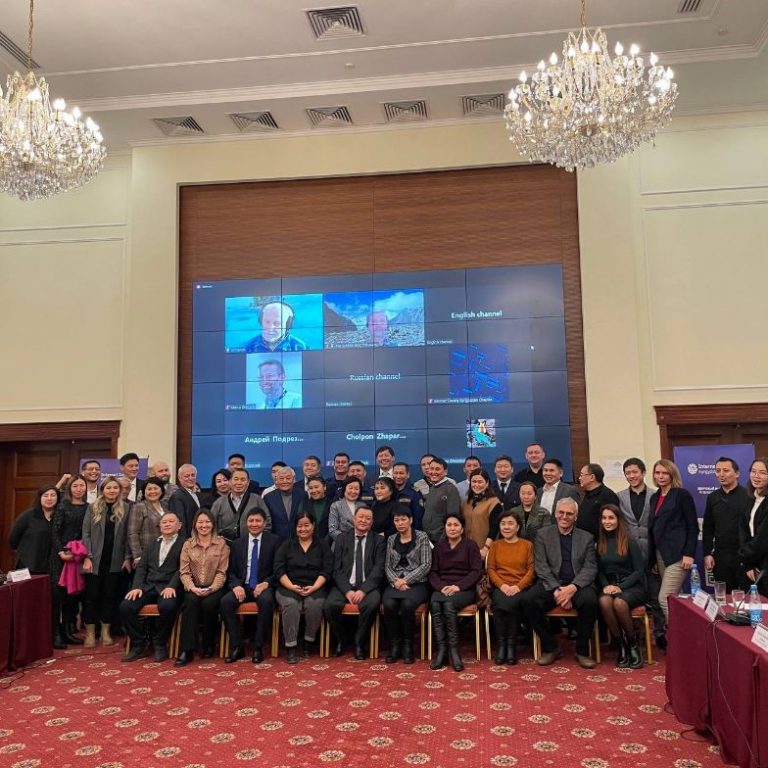
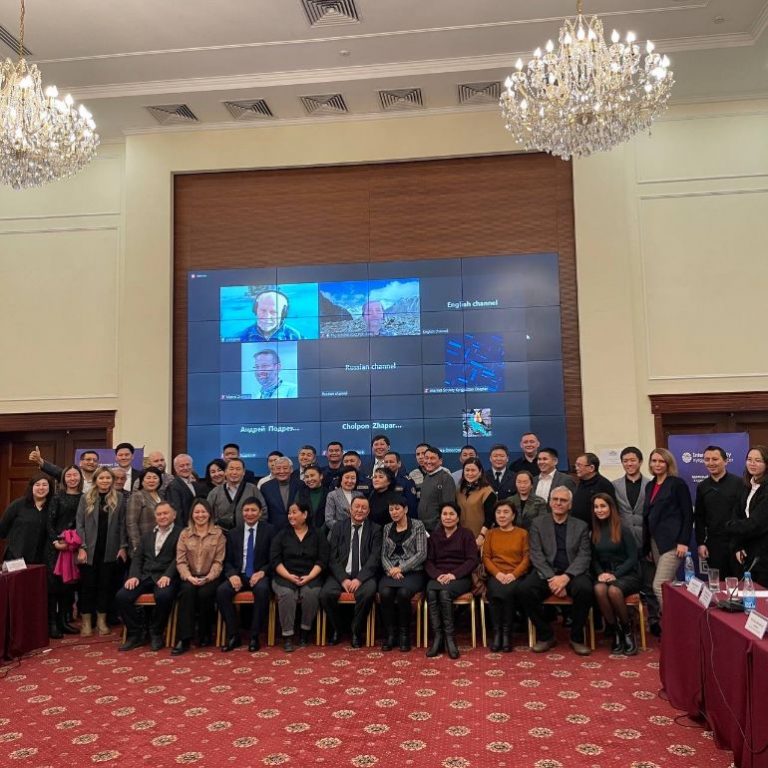
Бишкек, 12 декабря 2022 г. – В связи с острой необходимостью защиты жизни и имущества от климатических бедствий в г.Бишкек успешно прошел форум «Применение инновационных технологий в мониторинге и прогнозировании изменения климата и стихийных бедствий». В мероприятии приняли участие около 100 местных и международных экспертов, представителей правительства, политиков и заинтересованных сторон, чтобы обсудить инновационные информационные и коммуникационные технологии для устойчивого развития перед лицом тревожных прогнозов изменения климата.

Г-н Шаазадан Тюмонбаев, заместитель начальника Управления мониторинга и анализа Администрации Президента Кыргызской Республики, начал форум с наводящего на размышления вступления, подчеркнув неотложную задачу смягчения последствий изменения климата и его влияния на устойчивое развитие Кыргызской Республики. В ответ, эксперты, ученые и политики подчеркнули важность использования доступных технологий для смягчения последствий изменения климата.

Г-н Болот Молдобеков, содиректор Центрально-Азиатского института прикладных наук о Земле, выступил с презентацией «Опасные природные процессы и системы мониторинга», в которой рассказал об усилиях и инициативах, предпринятых страной для смягчения последствий стихийных бедствий. Кыргызстан, географически уязвимый регион, сталкивается с многочисленными опасностями, такими как землетрясения, оползни, наводнения, сели и лавины. В презентации обсуждается существующая инфраструктура мониторинга, наблюдаемые географические районы, специальные датчики, установленные в местах, и выводы из наблюдений за данными.

Талант Султанов, председатель и соучредитель кыргызского отделения Интернет Общества (Айсок), в своей презентации «ИКТ для устойчивости к стихийным бедствиям» отметил, как инициативы «снизу вверх» на примере кыргызского отделения ISOC помогли решить проблемы с подключением к Интернету для стран, не имеющих выхода к морю или не затронутых санкциями, на примере Кыргызстана.

На мероприятии была подчеркнута роль наблюдений, исследований и прогнозирования в предотвращении стихийных бедствий, подчеркнута важность данных, собранных с различных станций мониторинга. Среди множества обсуждаемых инновационных технологий особенно выделяется технология передачи данных LoRaWAN (Long Range Wide Area Network) для Интернета вещей (IoT). Эта технология позволяет «умным» датчикам отслеживать показатели в режиме реального времени, анализировать данные и передавать их на серверы для дальнейшей обработки.

Впечатляющей особенностью технологии LoRaWAN является ее способность работать автономно и без проводов до 10 лет без источника питания, что делает ее идеальным решением для станций мониторинга климата в удаленных или сложных местностях. Отсутствие проводки упрощает процесс внедрения, оставаясь экономически эффективным для широкого распространения. Эрманно Пьетроцемолли, эксперт Международного центра теоретической физики им. Абдуса Салама, подробно рассказал о технологии Lorawan для различных целей. Марко Зеннаро от имени ICTP продемонстрировал прошлые установки датчиков lorawan и то, как команда ICTP передавала данные с использованием традиционного нелицензируемого спектра на расстояние до 400 км.

Уважаемые докладчики из правительственных ведомств, исследовательских институтов и промышленности поделились ценными мыслями во время форума. Доклады охватывали широкий круг тем, включая мониторинг изменения климата, систему мониторинга ЦАИИЗ (Центрально-Азиатский институт прикладных наук о Земле), создание защищенной инфраструктуры IoT с использованием технологии LoRaWAN для предотвращения чрезвычайных ситуаций в горных районах Кыргызстана.

Участники имели возможность участвовать в оживленных дискуссиях и задавать вопросы экспертам во время специальных сессий вопросов и ответов. Были тщательно изучены такие темы, как беспроводные технологии для Интернета вещей, плюсы и минусы технологии LoRaWAN, что пролило свет на огромный потенциал и практические соображения этих новых решений.

Форум завершился всеобъемлющим подведением итогов и заключительными замечаниями, подчеркнув решающую роль инновационных технологий в мониторинге и предотвращении стихийных бедствий. Участники ушли с новым обязательством использовать возможности технологий для устойчивого развития и устойчивости к изменению климата. По просьбе МЧС две точки в Боомском ущелье были добавлены в список пилотных местностей, где должны быть установлены автоматические метеостанции и датчики.

Форум «Применение инновационных технологий в мониторинге и прогнозировании изменения климата и стихийных бедствий» послужил катализатором обмена знаниями, сотрудничества и продвижения эффективных стратегий борьбы с изменением климата и защиты жизни и имущества. Используя передовые технологии, такие как LoRaWAN, мировое сообщество может проложить путь к более безопасному и устойчивому будущему.

Для получения дополнительной информации о форуме и его результатах, пожалуйста,посетите https://isoc.kg или свяжитесь с координатором проектов Азизом Солтобаевым, [email protected]

Контактное лицо для прессы: Талант Султанов, председатель кыргызского отделения Интернет-общества, [email protected]