Ongoing maintenance ensure optimal performance of lora-enabled sensors

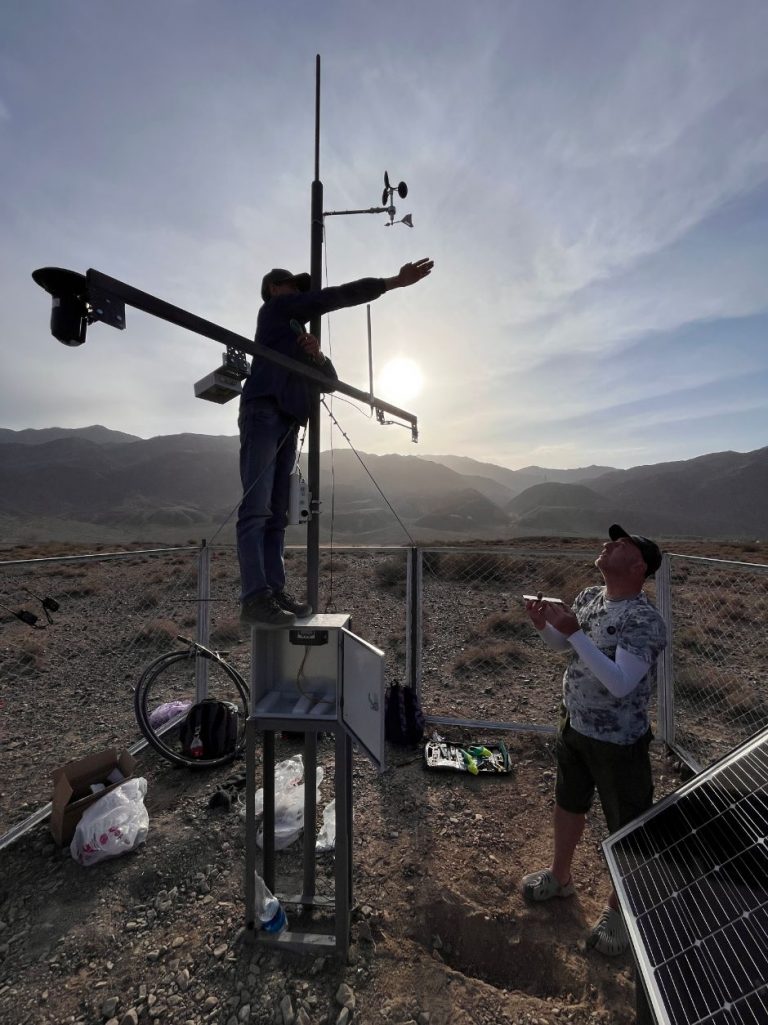
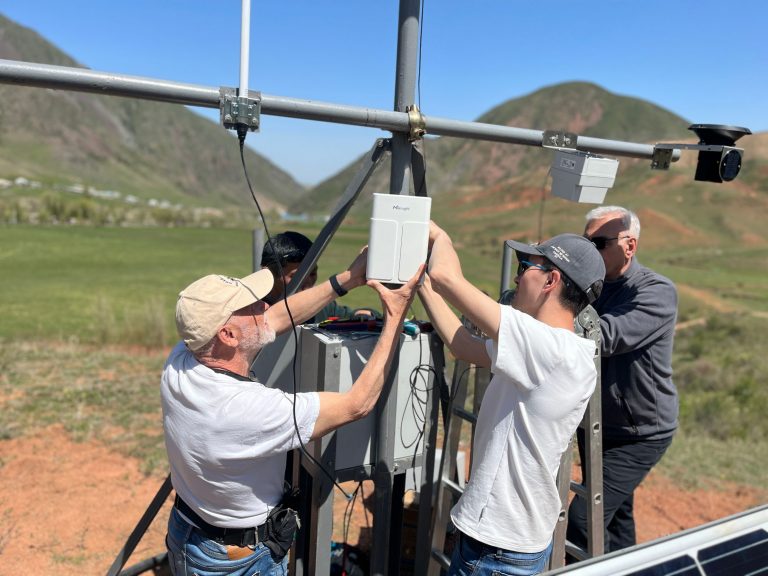
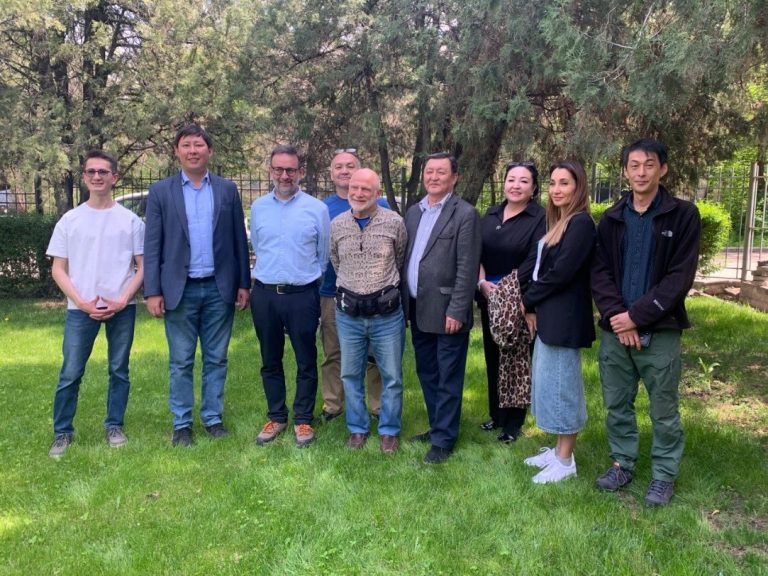
Команда Кыргызского отделения Айсок активно проводит плановые посещения пилотных объектов по техническому обслуживанию. С момента первоначальной установки датчиков с поддержкой LoRa некоторые устройства потребовали дополнительного внимания на месте для обеспечения оптимальной производительности.

В некоторых случаях для обеспечения правильного функционирования датчиков требовались такие задачи, как раскопки из почвы, повторная калибровка и последующее закапывание. В других случаях эффективная работа датчиков требовала применения специфических, хотя и ранее недокументированных, способов установки. Кроме того, в некоторых случаях возникали проблемы из-за нестабильного качества датчиков конкретных поставщиков, которые требовали полной замены сенсора на новый.

Для решения этих сложностей к процессу активно были подключегы стажеры Института водных проблем Академии Наук. Их участие преследовало двойную цель – предложить практическое обучение и образование, а также облегчить обмен опытом со студентами.

По мере того, как мы продолжаем этап сбора данных нашего исследовательского проекта, эти усилия по техническому обслуживанию продолжают играть важную роль в обеспечении точности и надежности наших датчиков с поддержкой LoRa в различных условиях окружающей среды.

LoraWan IoT Data Dashboard

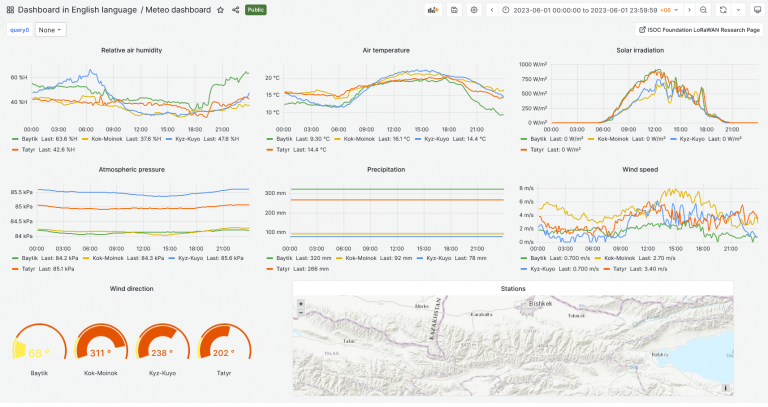
Команда создала бета-версию информационной панели для визуализации данных проекта, собранных из пилотных локаций. Текущие пилотные локации включают в себя: оползень Татыр, гидропост Ала-Арча, метеостанция Байтик, Кыз-куйоо и Кок-Мойнок в Боомском ущелье.

Приборная панель (dashboard) представляет собой визуализацию следующих данных: относительная влажность воздуха, температура воздуха, солнечная радиация, атмосферное давление, осадки, скорость ветра, направление ветра. Другая панель представляет собой визуализацию следующих данных: влажность почвы и количество осадков, уровень воды. Панели управления доступны на кыргызском, английском и русском языках. Некоторые информационные панели специально разработаны для местных сообществ и могут использоваться на благо сообщества.

Мы верим в решения с открытым исходным кодом. Вот почему мы используем Grafana — мультиплатформенное веб-приложение для аналитики и интерактивной визуализации с открытым исходным кодом. Информация собирается с датчиков с поддержкой Lora через шлюзы связи Lorawan и передается на центральный сервер через сеть GSM. Собранные данные телеметрии IoT хранятся на серверах, а затем визуализируются с помощью программного обеспечения Grafana. Актуальная информация доступна по ссылке: http://dashboard.isoc.kg

Примечание. Поскольку это научный проект, некоторые общедоступные данные могут иметь неверные параметры или данные из-за внутренних экспериментов, настроек, установок и т. д. Пожалуйста, проконсультируйтесь перед использованием в исследовательских целях.

ISOC Kyrgyz Chapter and the Institute of Water Problems Collaborate for High Mountain Glacier Lake Monitoring

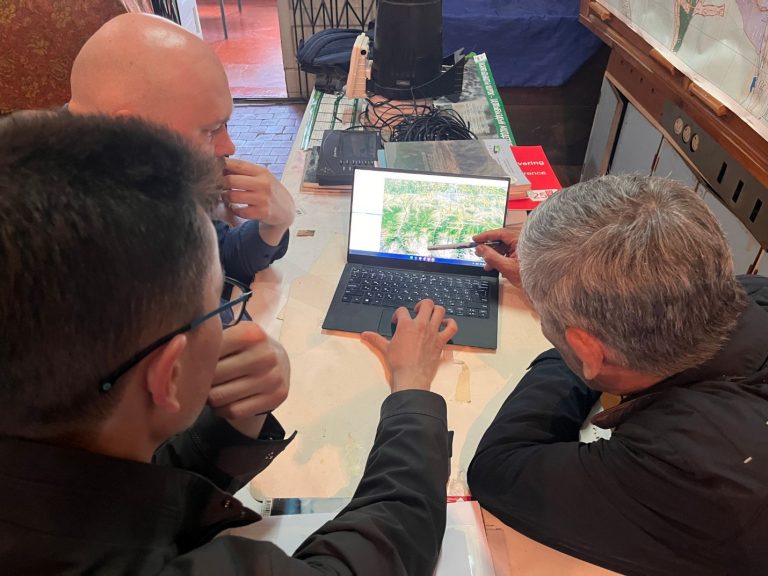
19 мая 2023 года Кыргызское отделение Интернет-общества (ISOC) провело встречу с Институтом водных проблем Академии наук Кыргызской Республики. Обсуждение вращалось вокруг текущего состояния мониторинга высокогорных ледниковых озер, потенциальных преимуществ проекта ISOC для кыргызских ученых и предстоящих планов по установке датчиков.

Мониторинг высокогорных ледниковых озер имеет огромное значение, учитывая их значительную роль в поддержании местного и регионального водного баланса. Однако такие проблемы, как удаленность, суровые условия окружающей среды и технические ограничения, часто затрудняют комплексный мониторинг. В ходе встречи представители кыргызского отделения ISOC представили свой текущий исследовательский проект, направленный на преодоление этих препятствий за счет инновационного использования технологий.

В рамках проекта исследовательских грантов, финансируемого Фондом ISOC, кыргызское отделение ISOC планирует установить метеорологические станции, датчики измерения уровня снега и воды на ледниковом озере Адыгене и прилегающих моренах. В этом проекте будут использоваться передовые датчики с поддержкой Lorawan для предоставления данных в режиме реального времени о различных параметрах окружающей среды. С помощью этой инициативы Отделение стремится поддержать существующие усилия по мониторингу, предоставляя надежный и последовательный поток данных, который может помочь ученым в понимании и более точном прогнозировании поведения ледников.

Участники встречи обсудили возможные даты установки датчиков, сузив их до периода с июня по июль 2023 года. Этот график согласуется с оптимальными погодными условиями для таких операций, что обеспечивает более безопасные и эффективные процедуры установки.

Институт водных проблем, ведущий орган по исследованиям в области водных ресурсов в Кыргызстане, выразил высокую поддержку исследовательской работе кыргызского отделения ISOC. Институт высоко оценил технический подход к решению задач мониторинга ледников и выразил оптимизм по поводу положительных результатов этого исследовательского проекта. Сотрудничество знаменует собой значительный шаг к обогащению научного ландшафта Кыргызстана за счет сочетания традиционных полевых исследований с передовыми технологиями.

По мере реализации проекта он будет способствовать более глубокому пониманию динамики ледниковых озер. Что еще более важно, он предоставит полезную информацию для управления водными ресурсами, прогнозирования бедствий и усилий по смягчению последствий изменения климата, тем самым подчеркнув преобразующую роль технологий в сохранении окружающей среды.

Installing Automatic Weather Stations and Sensors for Local Monitoring in the Boom Gorge

Команда Кыргызского отделения ISOC в ответ на запрос Министерства чрезвычайных ситуаций добилась важного прогресса в смягчении последствий стихийных бедствий и управлении ими. С 7 по 17 мая 2023 года команда установила две метеостанции с поддержкой Lorawan и дополнительные датчики в Боомском ущелье Кыргызской Республики. Эта жизненно важная инициатива направлена на улучшение понимания и мониторинга особого микроклимата региона, предоставляя ключевые данные для обоснования превентивных действий и управления стихийными бедствиями.

Боомское ущелье, отмеченное уникальными орографическими особенностями и сложной геологической структурой, исторически боролось с воздействием проливных дождей. Эти интенсивные осадки часто вызывают мощные селевые потоки, стекающие из боковых долин на железные и автомобильные дороги, нанося значительный ущерб инфраструктуре и создавая угрозу общественной безопасности. Учитывая проблемы, связанные с изменением климата, получение точных и надежных местных экологических и метеорологических данных в этом регионе становится все более важным.

В рамках новаторского исследовательского проекта Кыргызское Отделение Интернет Общества в сотрудничестве с Международным центром теоретической физики им. Абдуса Салама и Министерством по чрезвычайным ситуациям изучает полезность передачи данных с использованием протокола LoRaWAN в районах, подверженных опасным природным процессам и с ограниченной сотовой связью. В рамках этого исследовательского проекта в Боомском ущелье установлены две автоматические метеостанции, а также дополнительные датчики в ключевых точках: Кыз-Куе и Кок-Мойнок. Эти места отмечают точки входа и выхода из ущелья соответственно.

Основной целью этого проекта на этих экспериментальных участках является мониторинг и оценка ключевых метеорологических параметров, включая осадки, температуру, влажность и температуру почвы. Тем самым исследователи стремятся углубить свое понимание влияния этих параметров на формирование селей в Боомском ущелье.

Ожидается, что эта установка автоматических метеорологических станций и дополнительных датчиков значительно повысит точность и систематичность оценки метеорологических параметров. Использование технологии протокола данных LoRaWAN обеспечивает непрерывный мониторинг, предоставляя более точные и актуальные данные при одновременном снижении эксплуатационных расходов на подключение. Эти бесценные данные будут лежать в основе обоснованных решений о рисках селей и стратегиях их смягчения.

Кроме того, размещение этих локальных метеостанций и датчиков позволит проводить комплексные исследования влияния метеорологических параметров на процессы селеобразования. Собранные данные в дальнейшем позволят Департаменту мониторинга и прогнозирования стихийных бедствий МЧС определить пороговые значения, необходимые для построения качественного временного прогноза селевых явлений в Боомском ущелье.

Программа исследовательских грантов Фонда Интернет-общества финансирует этот новаторский проект, который реализуется Общественным объединением «Кыргызское отделение Интернет-общества» и Международным центром теоретической физики им. Абдуса Салама.

С помощью этого сочетания технологий и научных исследований мы стремимся углубить наше понимание динамики селей и разработать эффективные меры по смягчению их неблагоприятного воздействия на инфраструктуру и жизнь людей. Кыргызское отделение ISOC и Департамент мониторинга и прогнозирования бедствий гордятся тем, что вносят свой вклад в этот жизненно важный исследовательский проект, способствуя более безопасному и устойчивому будущему для региона.

The Project installed meteorological station and sensor to monitor Tatyr active landslide

On April 27, 2023, a team comprising representatives from the ISOC Kyrgyz Chapter, ICTP, and CAIAG successfully installed and launched Lorawan-enabled sensors on the Tatyr landslide.
The Tatyr landslide is geographically situated 30-40 km south of Bishkek. Administratively, the area is part of the Arashan aiyl district within the Alamedin district. Formed on a north-facing slope, the landslide extends for 1510 meters, with a width varying between 250 to 300 meters, and a thickness ranging from 10 to 15 meters. The landslide involves loamy soils, encompassing the underlying Paleogene-Neogene age rocks. Its formation is primarily attributed to anomalous atmospheric precipitation, coupled with the impact of groundwater emerging as springs and a proximate tectonic fault. The last significant activity was recorded in 2004 when the landslide moved 70 meters following a year of intense rainfalls. The landslide lies along the route to popular skiing locations and tourist destinations. Previously, monitoring was performed manually through periodic on-site visits. The site’s proximity to Bishkek city made it an ideal pilot location for this research project, allowing for swift sensor calibrations and validation of research goals.

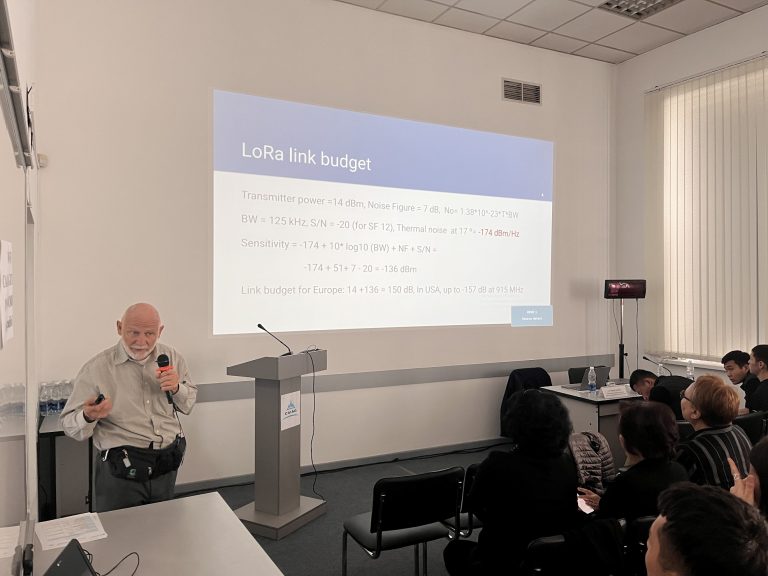
Bolot Moldobekov from CAIAG provided an overview of the landslide, discussing its features, historical background, and offering practical guidance on sensor installation for accurate data collection. Ermanno Pietrosemoli from the ICTP trained the team on the installation of Lorawan gateways, antennas, signal calibration, firmware upgrading, and sensor connection via Lorawan frequencies. Marco Zennaro assisted with the installation of monitoring software, providing a practical demonstration of how MQTT works and ensuring the secure transmission of data to servers through VPN channels. All team members participated in the installation of masts, equipment, sensors, and the establishment of a protective perimeter around the site.

The sensor installation aims to practically test and validate Lorawan technology, sensors, and the power of open-source solutions. It is anticipated that the equipment will generate automatic data via Lorawan and transmit it to the servers, benefitting key stakeholders and local communities. Furthermore, the data will be visualized in a user-friendly format, enabling interested parties to understand and assess the current situation efficiently.

Additional information on the Tatyr landslide: The active 70-meter slope movement recorded in May 2004 came just a year after 2002’s high precipitation year, which triggered widespread slumping of the foothill and some mountain slopes. This suggests that the landslide’s base is permeated with groundwater from deep fractured zones, requiring substantial time to circulate. Moreover, the Tatyr landslide belongs to deep-seated landslides, encompassing significant depth of slope deposits in its movement. Landslides of this nature are known for their long periods (30-50 years) of stability.

The Internet Society Kyrgyz Chapter Successfully Hosts Forum on IoT for Climate Change and Disaster Management at CAIAG

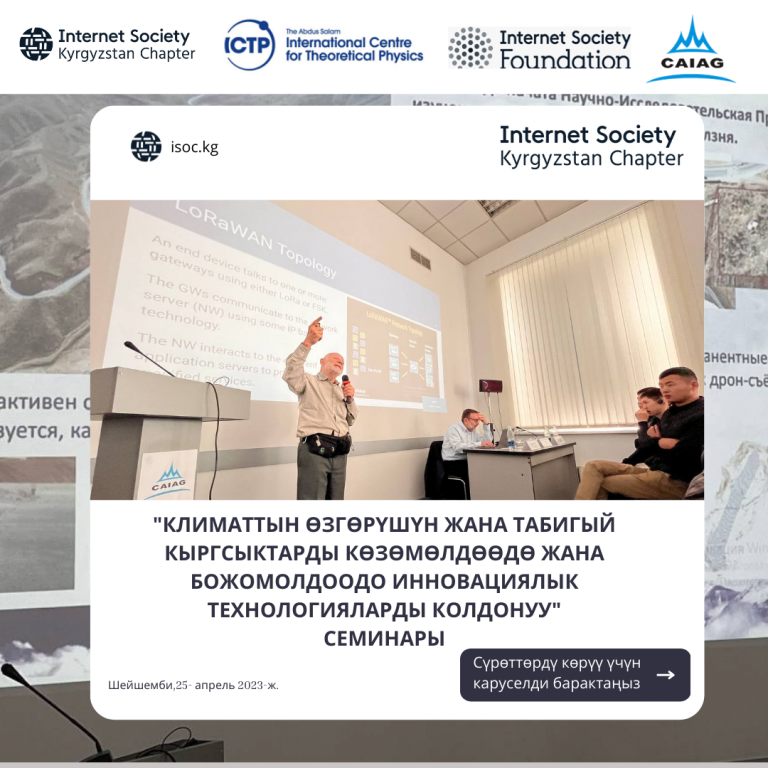
On April 25, 2023, the Internet Society Kyrgyz Chapter successfully hosted forum titled “Application of Innovative Technologies in Monitoring and Forecasting Climate Change and Natural Disasters” at the Central-Asian Institute for Applied Geoscience (CAIAG). Organized thanks to a research grant from the ISOC Foundation, the forum drew an impressive crowd of 70 participants, including representatives from esteemed institutions such as the Kyrgyz State Technical University, Manas University, and the Academy of Sciences.
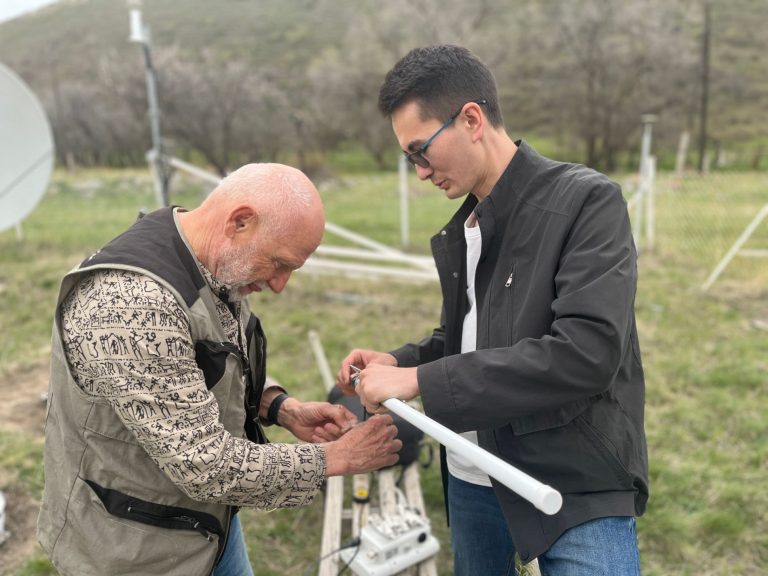
This forum addressed the vital role of technology, especially the Internet of Things (IoT), in mitigating climate change and managing disasters in landlocked, mountainous countries, with a particular focus on the case of Kyrgyzstan. The event served as a platform for sharing valuable insights and knowledge, reinforcing the importance of advanced technologies in climate change monitoring and disaster management.

Renowned expert Marco Zennaro initiated the substantive sessions, illuminating the various opportunities available at the International Centre for Theoretical Physics (ICTP). Subsequently, his presentation “Introduction to the Internet of Things” shed light on how IoT can dramatically enhance our capabilities to monitor and predict climatic changes and environmental disasters, especially in challenging geographies like Kyrgyzstan.

The dialogue around an open and secure IoT infrastructure was deepened by Ermanno Pietrosemoli’s session on “Introduction to LoRaWAN.” This discourse showcased the potential of LoRaWAN as a long-range, low-power wireless platform for establishing an effective IoT network in regions characterized by difficult terrains and connectivity challenges.

B. Moldobekov’s presentation on “Monitoring and Forecasting of Climate Change and Natural Disasters” deepened the understanding of the role that innovative technologies play in tackling climate change and managing natural disasters. A. Zubovich further highlighted this with his presentation on how innovative technologies can be applied in real-world scenarios to monitor and forecast climate change and natural disasters.

Participants were also engaged in presentations and discussions around the practical implementation of IoT technologies, facilitated by Marco Zennaro’s hands-on lab session on the “Use of MQTT for IoT” and the insightful session on the “Use of TinyML in Disaster Monitoring”. Both sessions highlighted the transformative role of these technologies in enhancing disaster monitoring and response systems.

The forum, organized by the Internet Society Kyrgyz Chapter and supported by the ISOC Foundation, is a testament to the growing significance of IoT and other innovative technologies in climate change mitigation and disaster management. By focusing on landlocked mountainous countries like Kyrgyzstan, the event underscored the unique challenges and opportunities in these regions. The insights and experiences shared during this forum will undoubtedly shape further advancements in the field and pave the way for innovative, resilient, and sustainable solutions to our global climate crisis.

Enhancing Disaster Response in Kyrgyzstan: Installation of Lorawan-Enabled Meteo Stations at Baytik and Ala Archa Hydropost

A significant stride has been made in the realm of disaster response and climate research in Kyrgyzstan, spearheaded by the ISOC Kyrgyz Chapter, the Abdus Salam International Centre for Theoretical Physics (ICTP), and the Central-Asian Institute for Applied Geosciences (CAIAG). In a bid to demonstrate the capabilities of Lorawan technology and to validate its consistency with existing meteorological systems, Lorawan-enabled meteo stations and additional sensors have been installed at the Baytik Meteorological Center and the Ala Archa Hydropost on April 24, 2023.
The selection of these sites was strategic, not only due to their locations but also due to the unique opportunities they present for comparing data with existing meteo stations operating under different systems. By analyzing and comparing the data gathered from these stations, the team aims to validate the consistency, accuracy, and relevancy of the data generated by the Lorawan-enabled technology.

Barani Design meteo stations have been chosen for this project due to their reputation for providing reliable, accurate, and high-quality data. These stations measure several key parameters, including temperature, humidity, atmospheric pressure, wind speed and direction, solar radiation, and rainfall. The wide array of indicators provided by Barani Design meteo stations offers a comprehensive picture of local climatic conditions, essential for informing climate research and disaster response strategies. in addition, several other sensors from different vendors had been selected to measure height of the river and speed of waterflow on Kashka Suu river.

Each partner organization played a critical role in this installation. CAIAG, known for their extensive work in applied geosciences, provided the locations, conducted preliminary construction works (such as the installation of masts, fences, and photovoltaics), and offered expert guidance to ensure that the installations were conducted in accordance with global standards. ISOC Kyrgyz Chapter and ICTP provided the necessary expertise and knowledge in Lorawan technology, ensuring seamless integration of these sensors into the broader network.

The Baytik Meteorological Center, located in a significant climatic area, offers critical insights into local and regional weather patterns. Meanwhile, the Ala Archa Hydropost plays a crucial role in monitoring water levels, enabling early detection and warnings of potential floods. The installation of Lorawan-enabled sensors at these locations will greatly enhance the accuracy and timeliness of data collected, further aiding in the decision-making process for disaster management.

Through this partnership, ISOC Kyrgyz Chapter, ICTP, and CAIAG demonstrate a steadfast commitment to enhancing climate research and disaster response capabilities in Kyrgyzstan. By leveraging advanced technology like Lorawan, these organizations are working towards a future where data-driven decisions can significantly mitigate the impact of natural disasters, safeguarding communities and infrastructure.

Seminar on the use of innovative technologies in monitoring and forecasting climate change and natural disasters

25-апреля в Бишкеке прошёл семинар на тему “Применение инновационных технологий в мониторинге и прогнозировании изменения климата и стихийных бедствий”.

🔴Данное мероприятие организовано “Кыргызским Отделением Интернет Общества” совместно с “Междунаролным центром теоритической физики”, “Фондом Интернет Общества” (Internet Society Foundation” и “Центрально-Азиатским Институтом прикладных Исследований Земли” (ЦАИИЗ).

📌Спикерами семинара были:

📍Президент латиноамериканской сетевой ассоциации Escuela Latinoamerica de Redes Эрманно Петросемоли и

📍Координатор, научный сотрудник Международного Центра теоритической физики Марко Зеннаро.

👩‍🏫👩‍💻👨‍💻👩‍💼На семинаре приняли участие более 80 преподавателей, студентов “Кыргызско-Турецкого Цниверситета Манас” и “Кыргызского Государственного Политехнического университета”, а также представители “Национальной Академии Наук”.

ICTP Explores Lorawan Technology for Climate Change Monitoring in Formal Presentation

On April 24, 2023, a seminal roundtable discussion was hosted at the premises of the Central-Asian Institute for Applied Geosciences (CAIAG), an internationally recognized center for geoscience research. The roundtable was led by the Abdus Salam International Centre for Theoretical Physics (ICTP) team, who presented on the potential of Lorawan technology, its relevant communication protocols, and the historical footprint of ICTP’s activities in this domain.

The discussion was attended by a variety of key stakeholders involved in climate change monitoring, including members from pertinent ministries, state agencies, and academicians. This roundtable discussion is part of a broader research grants project funded by the Internet Society (ISOC) Foundation and led by the Internet Society Kyrgyz Chapter, aimed at enhancing the understanding and utilization of ICT solutions for monitoring environmental changes.

Lorawan technology, a suite of long-range, low-power communication protocols, was the central focus of the presentation. The ICTP team delved into the operational intricacies of the technology, emphasizing its significance in data collection, remote environmental monitoring, and real-time analysis.

The presentation was spearheaded by Ermanno Pietrosemoli and Marco Zennaro, two prominent members of ICTP.

Ermanno Pietrosemoli is a renowned pioneer in the field of wireless networking technology, best known for his significant contributions to bridging digital divides, particularly in Latin America. With his groundbreaking work, he has been instrumental in ensuring digital inclusivity, a commitment which led to his induction into the Internet Hall of Fame in 2017. Originally from Italy, Pietrosemoli moved to Venezuela, where he co-founded the Escuela Latinoamericana de Redes (EsLaRed), an organization devoted to ICT training throughout Latin America and the Caribbean. Through his commitment to EsLaRed, Pietrosemoli has facilitated knowledge sharing and technical expertise across the region, supporting local experts and researchers. Pietrosemoli has also been acclaimed for his pioneering work in long-distance Wi-Fi links. In 2007, he and his team set a world record for the longest Wi-Fi link, at a staggering distance of 382 kilometers. This achievement showcased the potential of low-cost wireless technology to bring internet connectivity to remote and rural areas.

Marco Zennaro, an ICTP research scientist, brought his extensive background in Information and Communication Technologies (ICTs) for sustainable development to the discussion. He has an extensive portfolio of publications, having written over 40 articles in peer-reviewed journals and books, all while maintaining his active involvement in scientific conferences and workshops worldwide. Some of his notable works include ‘Science Dissemination using Open Access,’ a pioneering book that explores the use of
open-access methodologies in sharing scientific research, and ‘Wireless Networking in the Developing World,’ a practical guide to using inexpensive wireless networking technology in developing areas.

The Abdus Salam International Centre for Theoretical Physics, named in honor of its founder, the Nobel Laureate Abdus Salam, is renowned for fostering scientific research in the developing world. With a legacy extending over 50 years, ICTP continues to promote scientific capacity and knowledge, underscoring the role of technology in addressing challenges like climate change.

This roundtable served as an opportunity for ICTP to demonstrate the role of innovative technologies like Lorawan in climate change monitoring. By facilitating real-time, precise data acquisition, these tools empower stakeholders to make informed decisions, thereby enhancing climate change mitigation and adaptation strategies. The roundtable underscored the continuous commitment of Pietrosemoli, Zennaro, and ICTP towards leveraging technology for sustainable development and climate action.