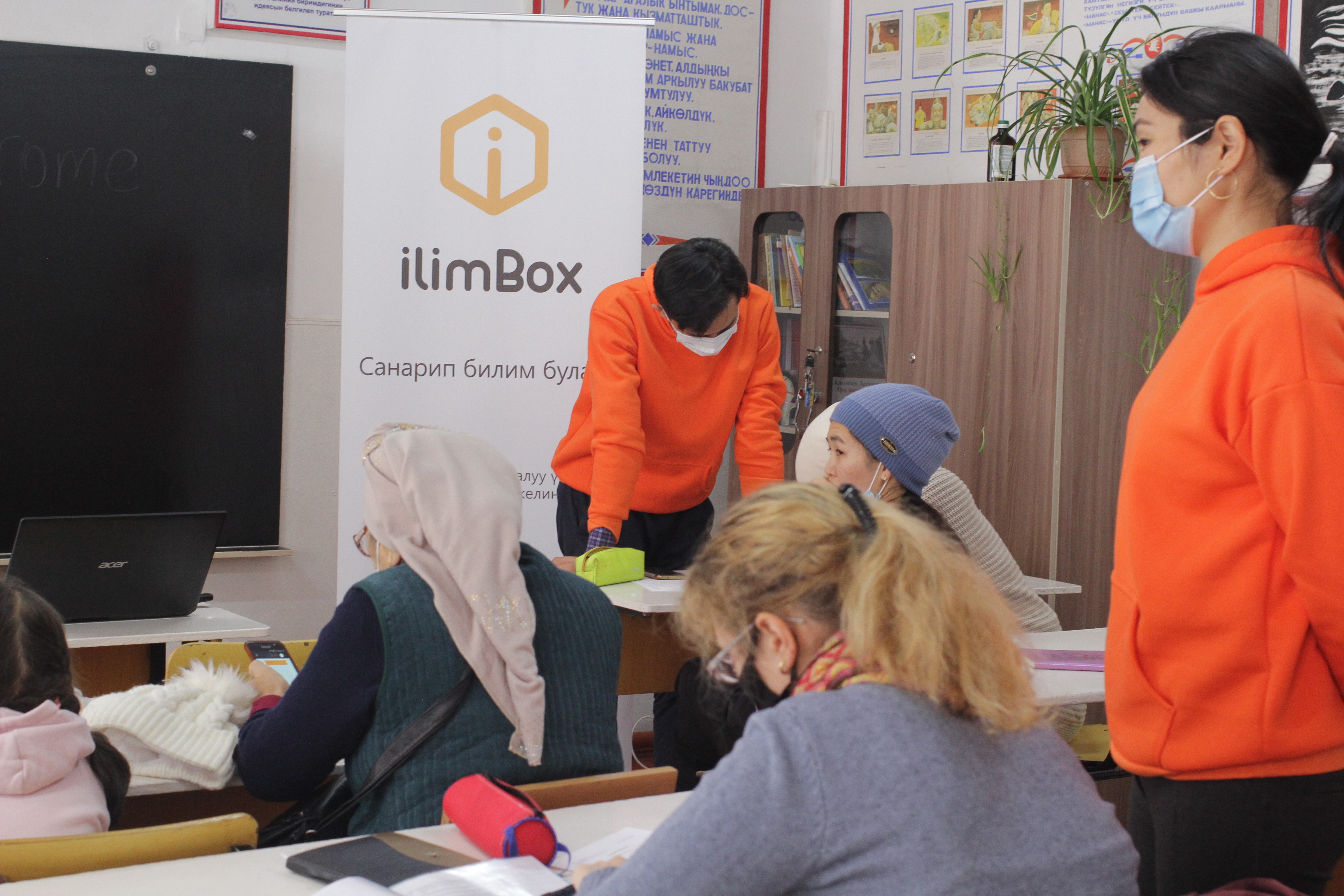
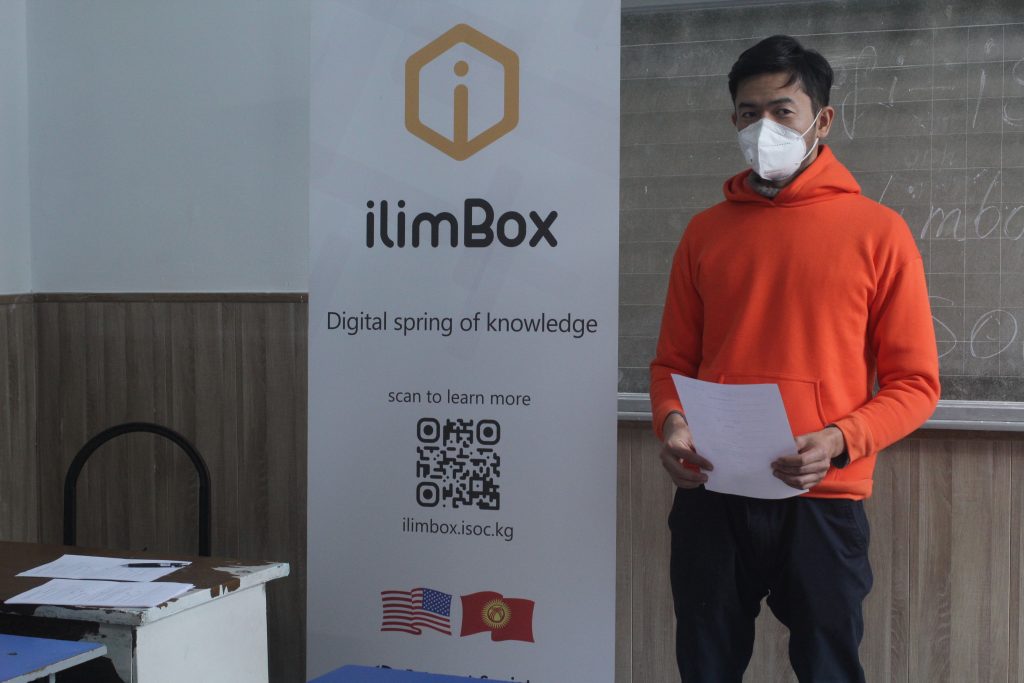
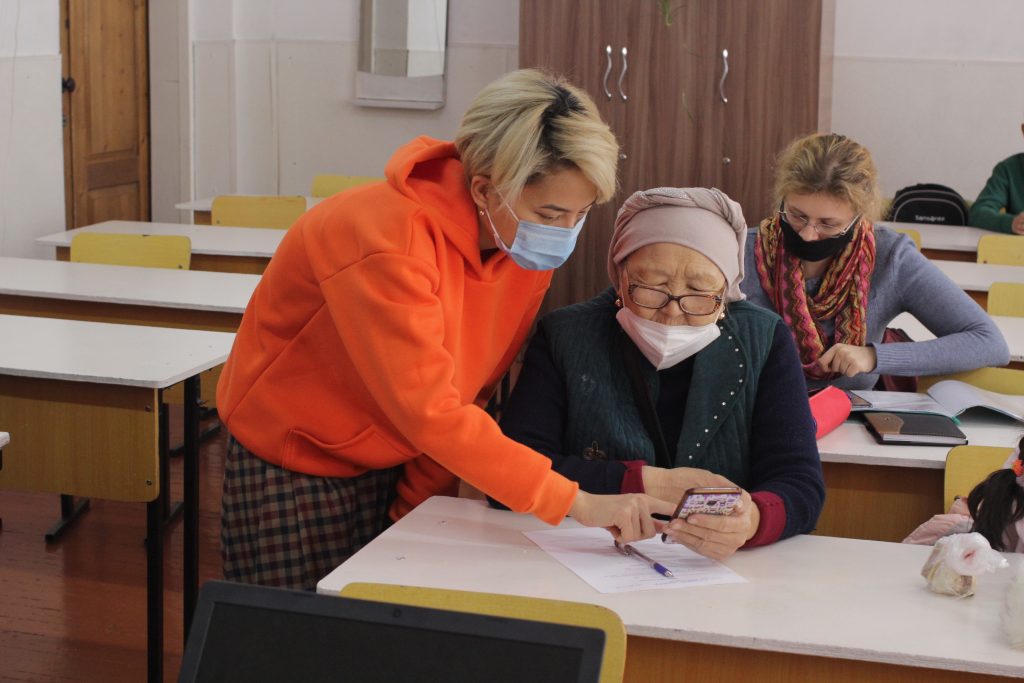
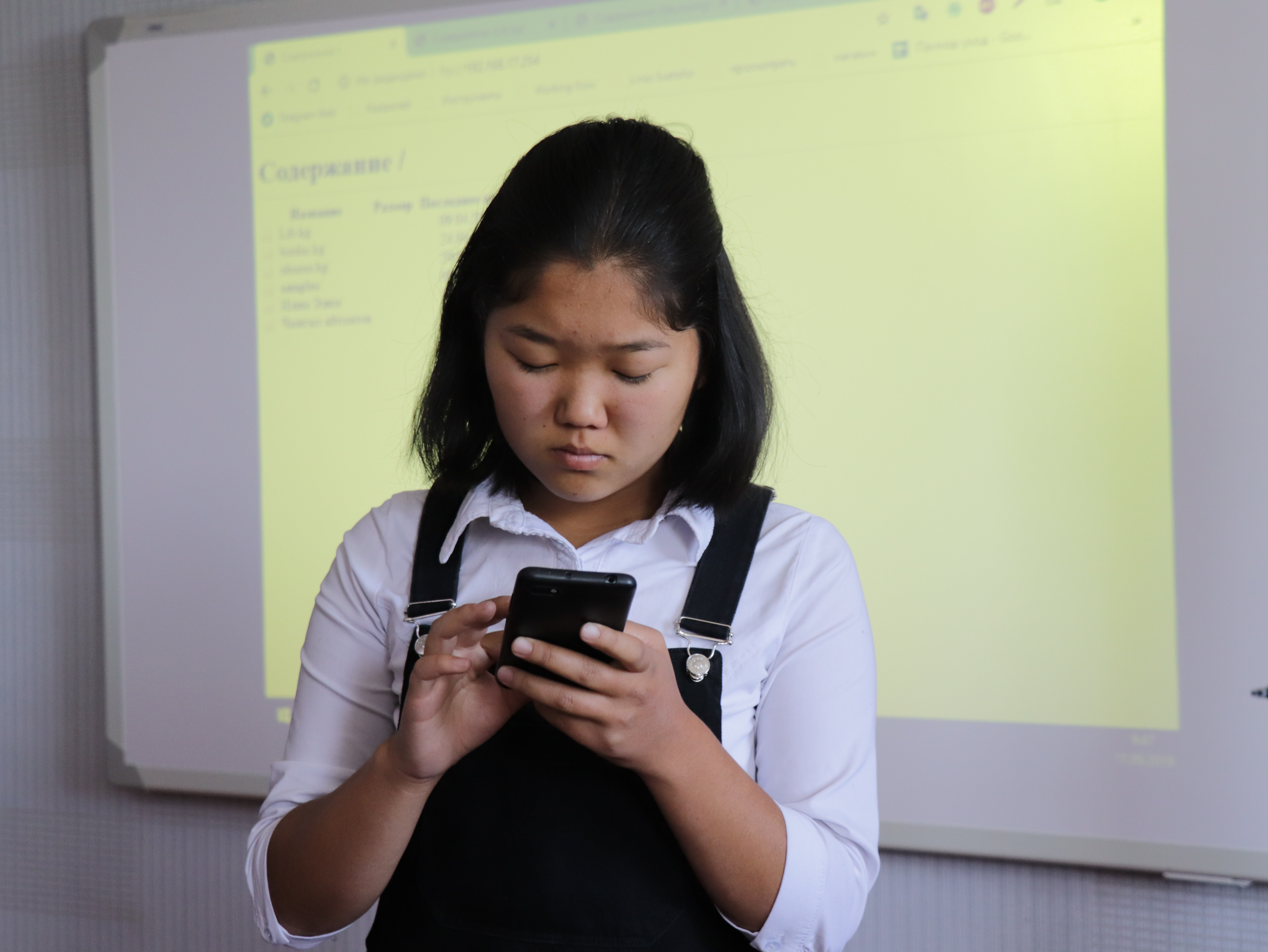
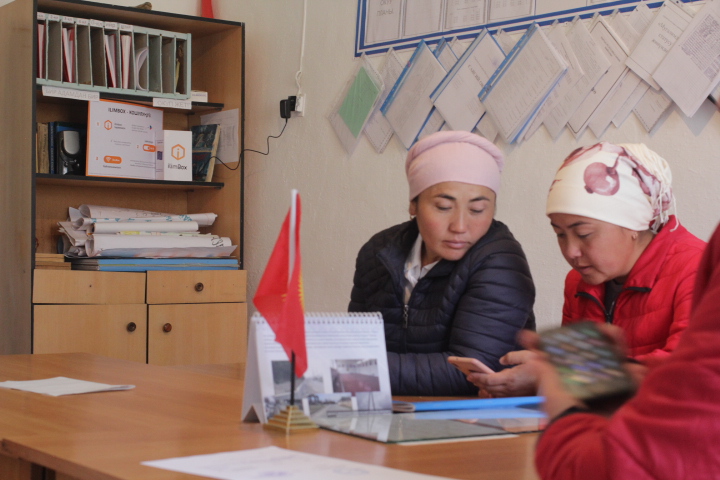
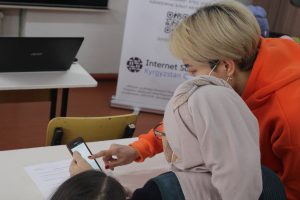
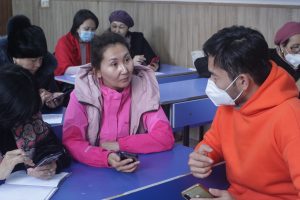
To study user interaction, our team collected focus group user stories in December 2020. The focus group consisted of 50 teachers from 5 schools:
Novopokrovsk school-lyceum №2 named after N.S. Baranova
Novopavlovsk innovative educational complex-lyceum №1 named after Ch.Aitmatova
Secondary school №11 of Bishkek
Bishkek boarding school №1 named after A. Kanimetova
Kok-Jar secondary school named after A. Zhumagulova
Survey results:
Rate from 1 to 5 the complexity of registration:
* 10% — put 5 out of 5
* 26,7% — put 4 out of 5
* 30% — put 3 out of 5
* 20% — put 2 out of 5
* 10% — put 1 out of 5
Rate 1 to 5 for the availability of the information provided within the lesson:
– 31% — put 5 out of 5
– 58,6% — put 4 out of 5
– 10% — put 3 out of 5
Can you help your students with registering for ilimbox.kg?
– 83,3% — yes
– 16,7% — no
Examples of suggestions for improvement:
1. Add virtual labs for physics;
2. We teach using the old textbook because there are not enough books, we ask you to provide new textbooks for the 7th grade English;
3. Show test passing times, make tests colored;
4. Enlarge fonts;
5. It would be great to add crosswords.
All the suggestions were moved to Google tables for analysis and study.
Our team is constantly learning and trying new and modern online education tools.
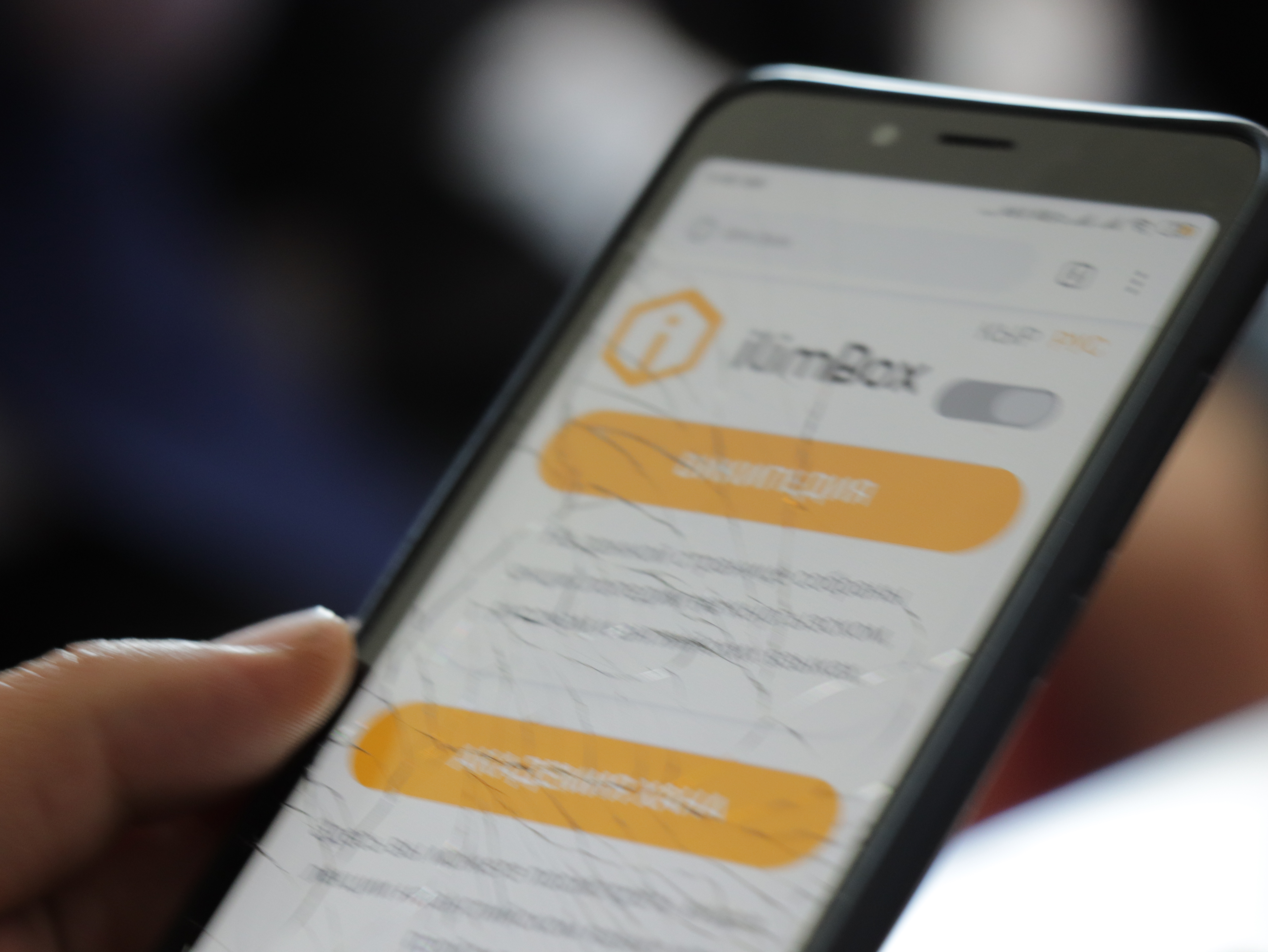
To improve the comprehension of lessons and test competencies, it should be possible to interact with the content, therefore, in addition to the gray text, interactive tasks are added to the subjects. This makes the course interesting, and the mastery of the subject as easy as possible. For example, an English course looks like shown in pic 1.
As you can see, the student can test their knowledge right on the lesson page. This helps to better understand the topic of the lesson. At Ilimbox, we try to make the tasks interactive for each lesson. For example, look at the task shown beside. You just pick the required word and put it in its place:
The ISOC team visited the most remote villages of our country. Every time we came to another special and insanely beautiful village, we tried to learn as much as possible about the inhabitants: about their living conditions, way of life, views, interests, and stories.
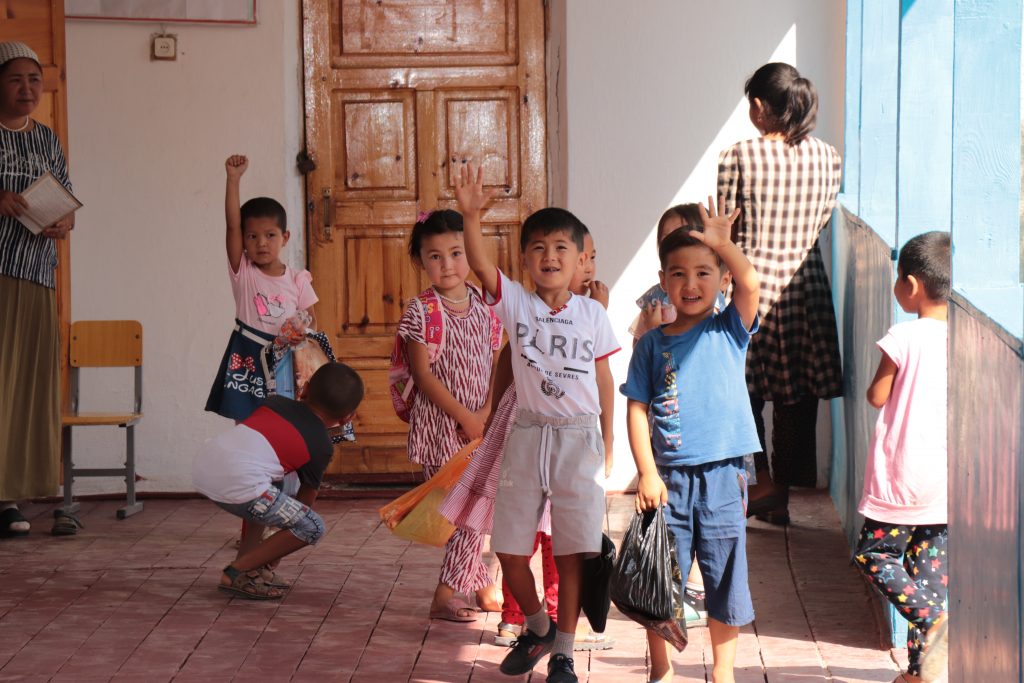
Photo: Children at school in Batken region
We met the residents of the villages of Ortok and Zhaz-Kechuu, who live in walnut forests and protect them from poachers, care for and plant new seedlings of future forests every year. And residents of villages in the Batken region who live on the border with Uzbekistan and Tajikistan, despite the well-known border problems. They repeatedly face conflicts, go through shootings, but every day they try to look for ways of peaceful coexistence with their neighbors. We also visited the villages of Issyk-Kul, Talas, and Naryn regions. We faced the problems of lack of motivation for children to get an education because the only visible path for them is to work in another country.
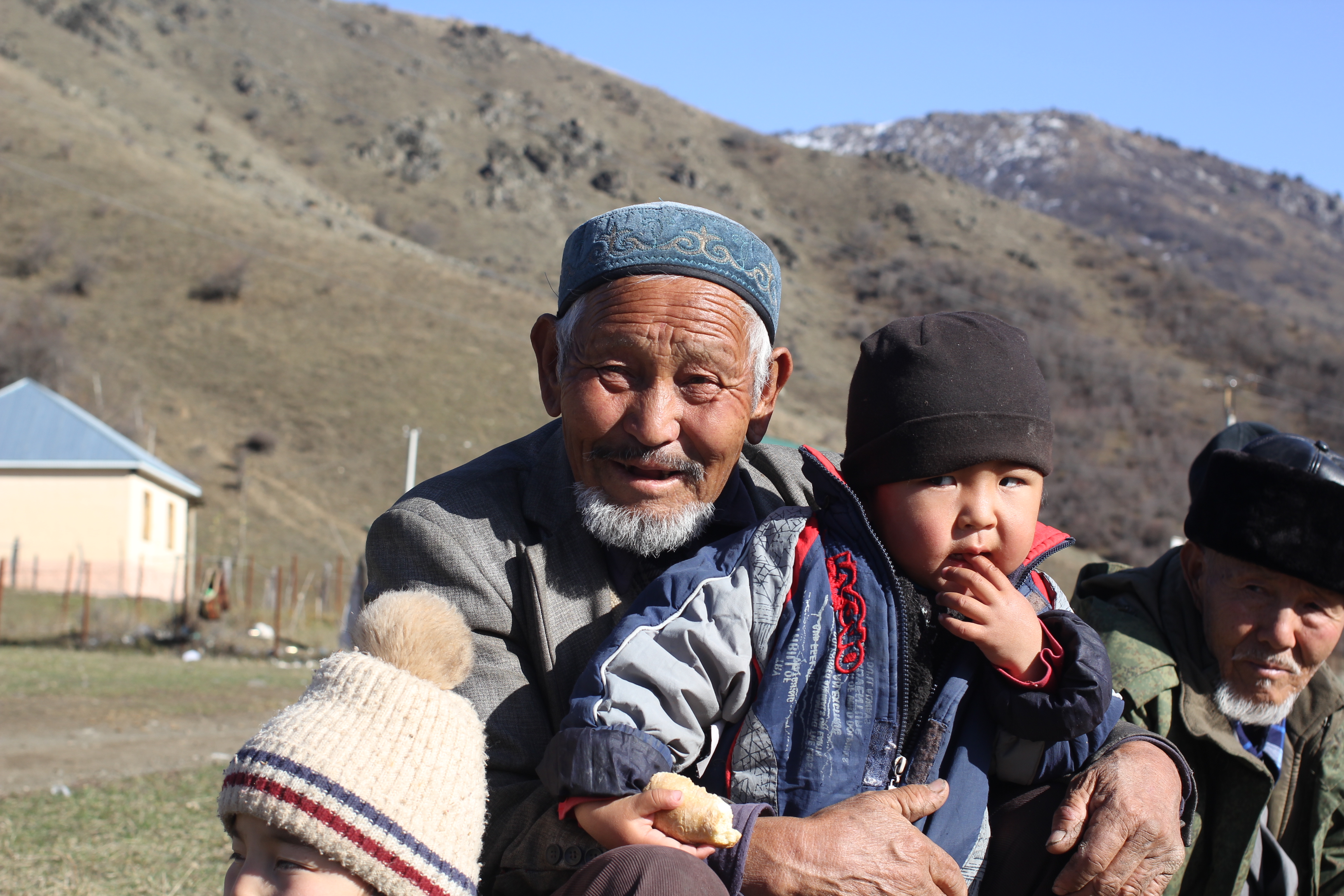
Photo: villagers in Jalal-Abad oblast
What do we want?
Therefore, it became our dream to return one day with the Internet to these villages and teach young people to use modern technologies for their own benefit. For example, making money through the Internet, self-study, Internet marketing, tourism and everything else that will help them find alternatives to build a better future.
Finally, this year we are starting to make this dream come true! The first village we plan to return to is Zardaly, the most remote village in our country, without electricity.
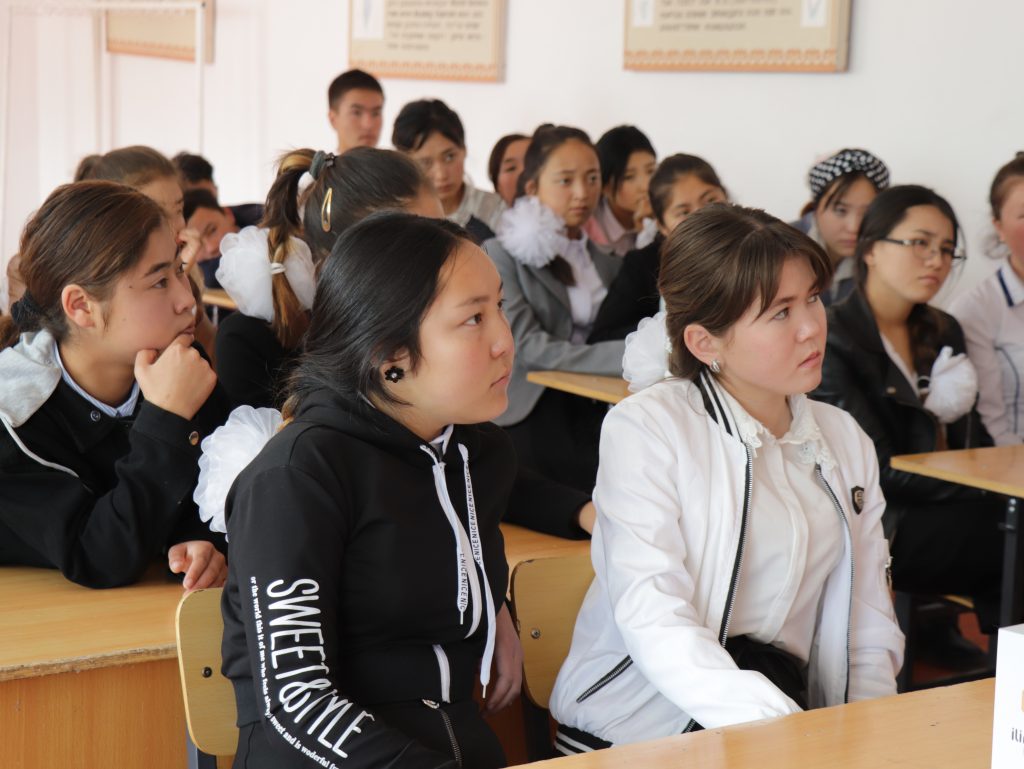
Photo: Schoolchildren in a village in Talas region
What is required for this?
Now we are recruiting volunteer trainers for further training.
For several weeks we will discuss the training plan, prepare, learn how to correctly present information in Kyrgyz, and collect the necessary attributes for the training. After that, we plan to leave together and stay in this village Zardaly for 5 days, teaching the villagers all useful and necessary skills applicable via the Internet.
How to join?
The exact departure dates will be announced in the second half of March. If you want to become a part of our movement – fill out the form
We will process all applications and contact you for an invitation to the event!
The project is being applied with collaboration to Taza Koom — Center for Strategic Initiatives.
“Internet and Digital Skills for Remote Community of Zardaly” was provided in part by the USG Alumni Small Grants Program, which is funded by the U.S. Embassy Bishkek, Kyrgyz Republic and administered by American Councils for International Education Kyrgyzstan. The opinions expressed herein are the author’s own and do not necessarily express the views of either U.S. Embassy in the Kyrgyz Republic or the American Councils for International Education.
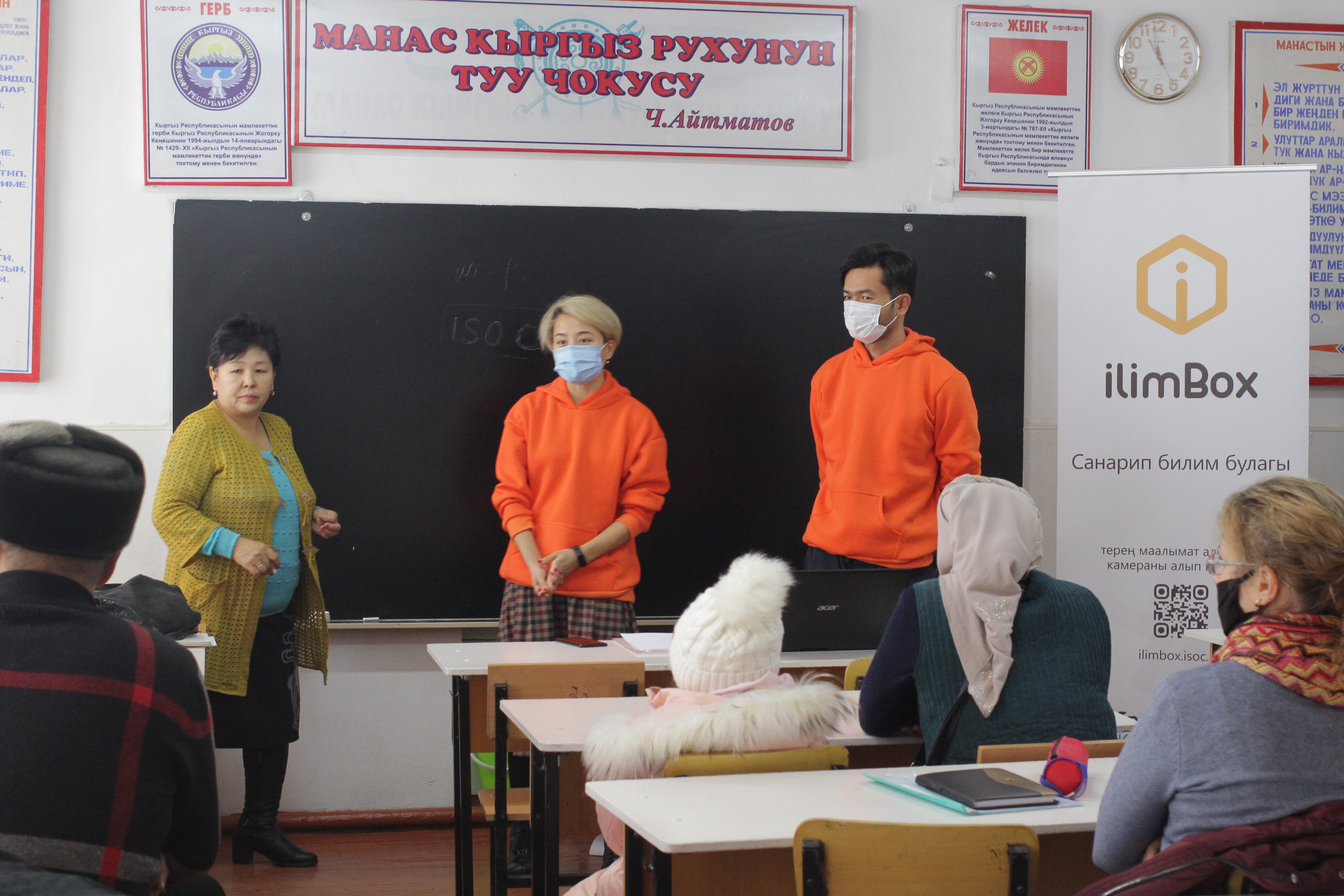
The ilimbox team visited schools with the Kyrgyz language of instruction and introduced the teachers and school administration to the ilimbox educational platform. The teachers offered the following suggestions.
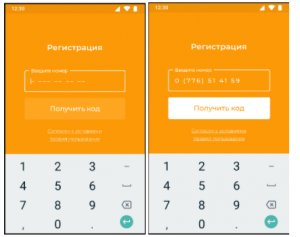
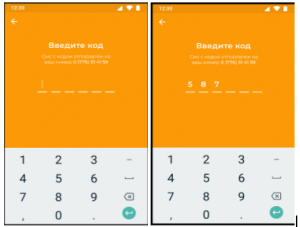
The ilimbox team has simplified the registration process on the ilimbox educational platform, taking into account the suggestions made.
It is now possible to register on the platform by a mobile phone number, as well as by e-mail.
The ilimbox team will continue to familiarize themselves with the platform at schools and will consider all comments and suggestions.
“Ilimbox.kg is an educational online platform for schools with Kyrgyz language of instruction.”
The Ilimbox Distance Learning Educational Platform for Schoolchildren project is funded by the Democratic Commission’s Small Grants Program of the US Embassy in the Kyrgyz Republic 2020-2021.The Ilimbox project is funded by the Democratic Commission Small Grants Program of the US Embassy in the Kyrgyz Republic.
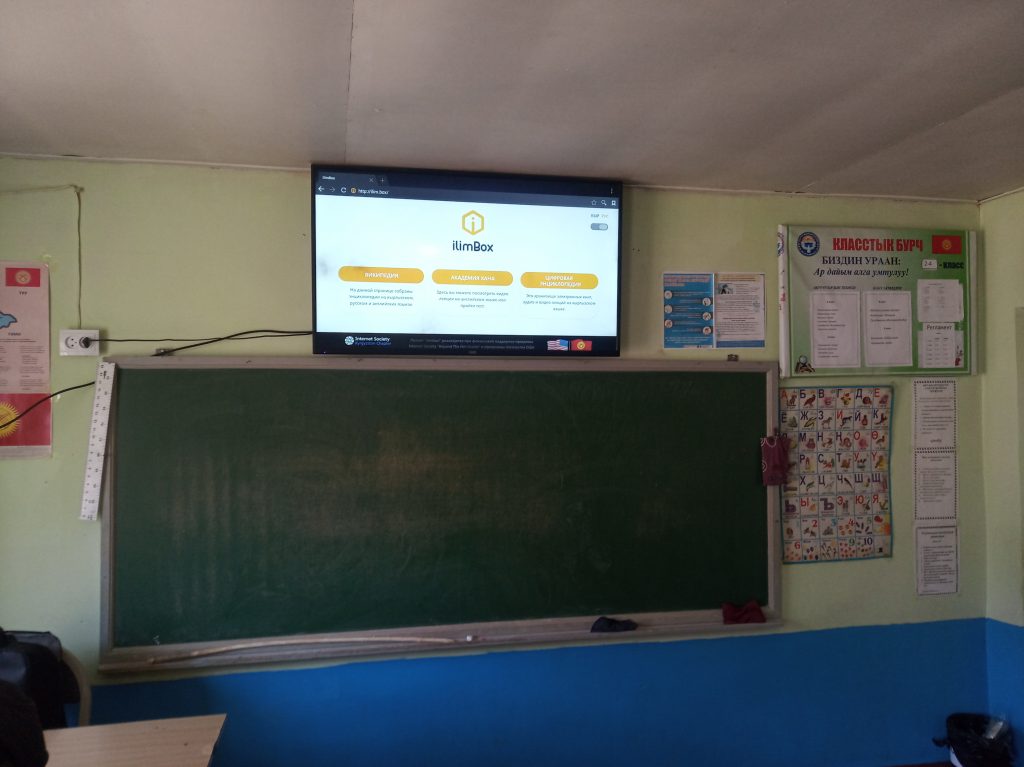
In October 2020, the ISOC team, within the framework of the European Union project “Promoting Inclusive Education in the Kyrgyz Republic”, installed Ilimbox devices in 20 schools without the Internet. The Ilimbox, also known as the Internet in a Box, contains basic educational materials available without an Internet connection.
To speed up the delivery of Ilimbox devices, the ISOC team traveled from Bishkek in 3 different directions: Jalal-Abad oblast (9 schools), Issyk-Kul and Naryn oblasts (7 schools), Osh and Batken oblasts (4 schools).
The first group of villages was located in the Ala-Buka district of the Jalal-Abad region, on the border with Uzbekistan. When visiting these schools, our team came across the expression “dwarf school”: due to the lack of teachers, 1st and 3rd grades are taught in one lesson at the same time.
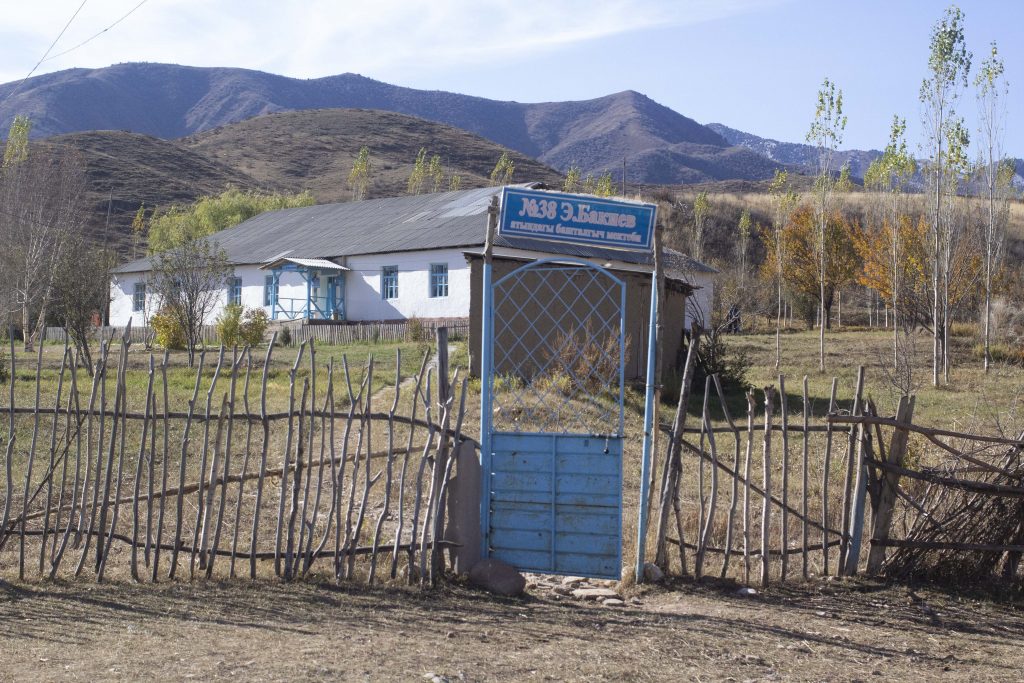
Entrance to the school named after E. Bakiev in Ala-Buka district, Jalal-Abad region
The main problems in the region are constant power outages and lack of roads, which is why children come to school on horseback from mountain villages. The following schools are located in Chatkal and Suzak districts: Chakmak-Suu, s. Achy, s. Markai and S. Ortok. Ortok village was remarkable for us. Most of all, the residents of this village complain about the lack of Kyrgyz television: they cannot watch the news and only show Uzbek channels. Teachers at the local school liked the Ilimbox device, and they especially liked the fact that a large amount of educational material can be found in one resource. They also liked our Android application and the ability to manage content without searching the entire phone.
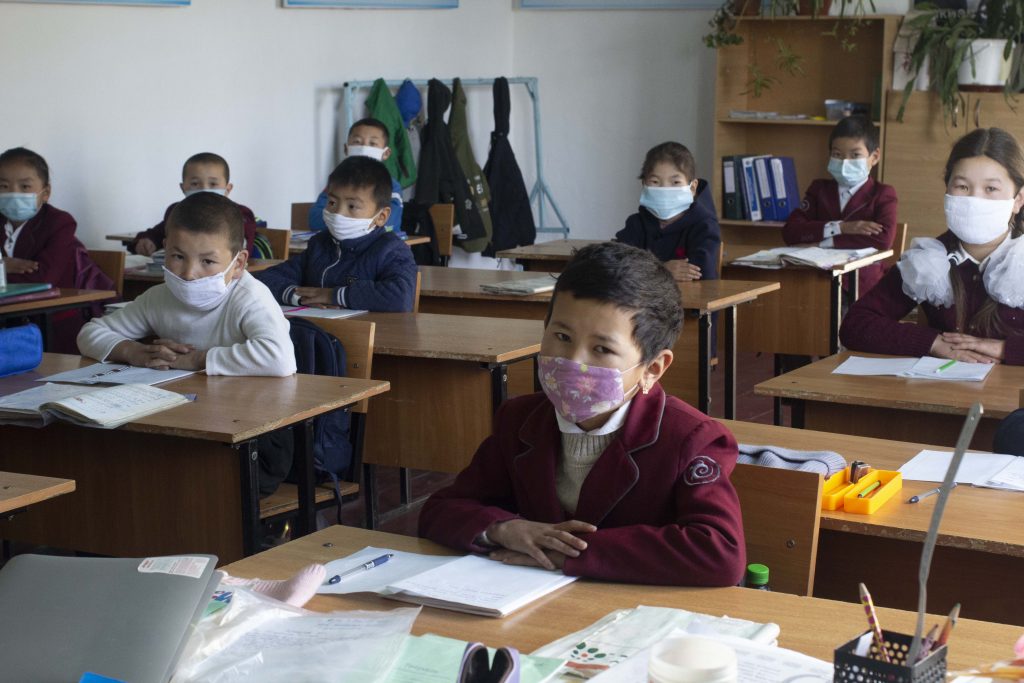
First and third-grade students in one lesson in a dwarf school
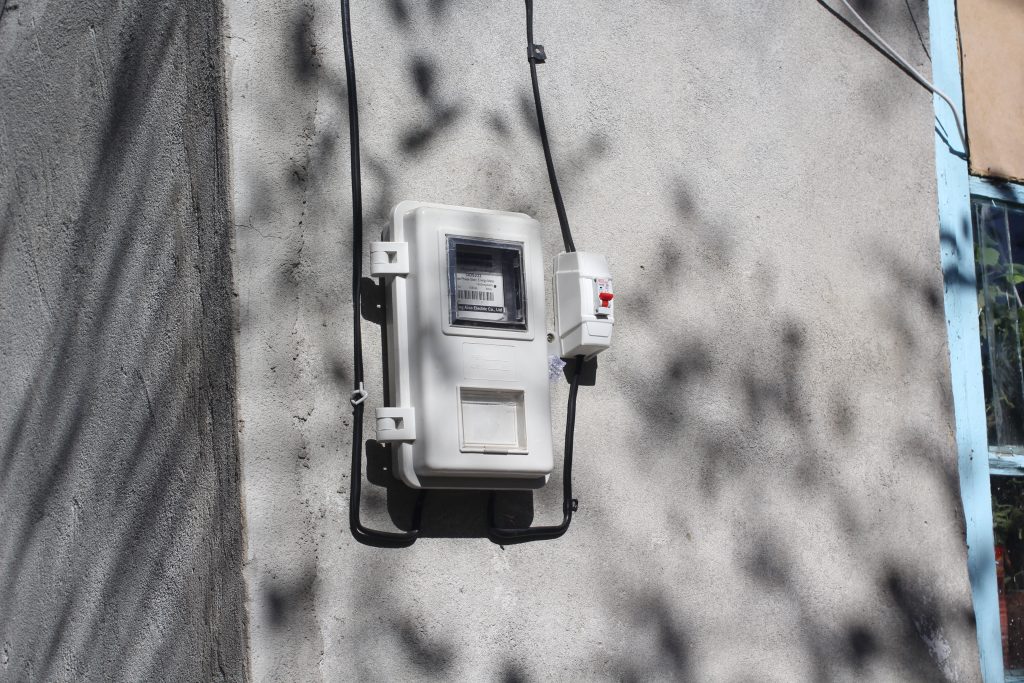
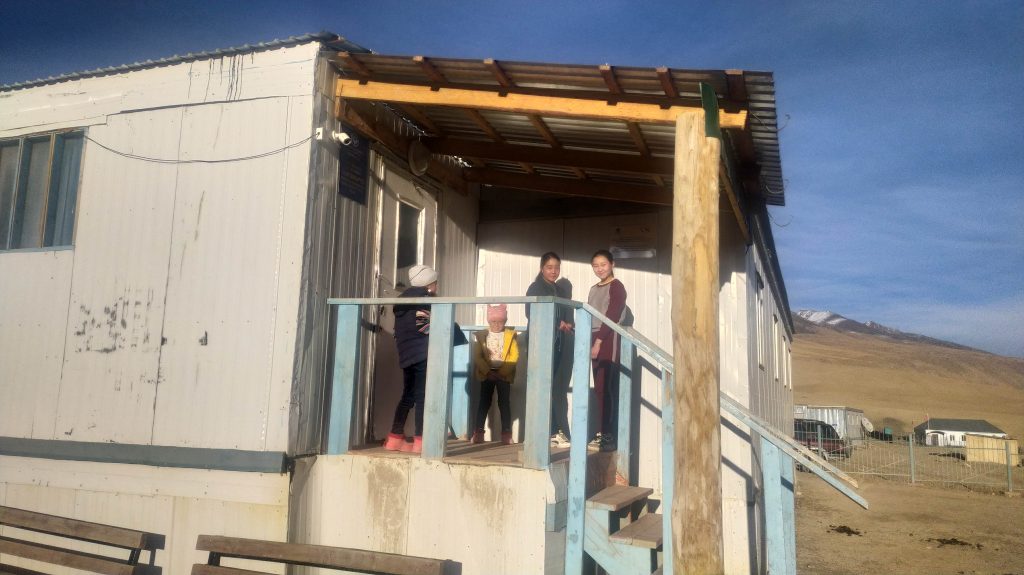
In Bazar-Korgon region, we visited a school in the village of Zhaz-Kechuu. The road to the village lies through walnut forests and small passes; in winter, due to snow and the lack of a road, residents can only ride horses to the nearest village. Electricity in this village was carried out only this fall. Therefore, residents of Jaz-Kechuu are just getting used to using computers and printers, watching TV, and using a mobile device not only for communication. Despite low digital skills, local school teachers were actively learning to use Ilimbox. In total, the school has about 70 students.
New electricity meter in the village of Zhaz-Kechuu
In the Issyk-Kul region, Ilimboks devices were installed in the villages of Eңilchek and Ak-Shyirak. Eңilchek was a developed mining village in the past. Now only about 150 people live here permanently. The local school has 5 classes with about 20 children and 11 teachers. The village has a mobile connection, but there is no Internet, which is why the electronic library was met with great interest: the teachers liked the offline Wikipedia most of all, using which they can find out more useful information, which means they can prepare interesting and informative lessons.
Ak-Shyirak school stidents
The second village of the Issyk-Kul region, Ak-Shyirak, is located 5 hours drive from Karakol. Departure to the city is hampered by mudflows and snowfalls. The villagers rarely travel to the city. The number of students is more than 70, children from neighboring villages live in dormitories, warm houses have also been built for teachers from other cities. There is a mobile connection, but no more than 4 people can use it at the same time.
Next, Ilimboks devices were installed in the Nookat region in the villages: Kayyudy and Kichi Alai. Both villages are considered the most remote villages in the Osh region. The village of Kayindy begins with a birch grove and is surrounded by mountains. Nature here is indescribably beautiful. The school has about 30 students, but the village has no Internet, as well as mobile communications. In the village of Kichi Alai, there is a mobile connection, but the mobile Internet does not provide sufficient speed for children to fully watch video lessons.
Ilimbox connected to a TV in the village of Kara-Shoro in the Alai district of the Osh region
In the Kadamjai region, an electronic library was installed in the village of Shoro. The road to this village lies through the Shakhimardan enclave, through which only local residents are allowed. Therefore, the team members had to go through a bypass, which was 3 times longer. This school had a TV with Wi-Fi technology, so we were able to connect the Ilimbox device to the TV and demonstrate another way to use Ilimbox. In sunny weather, you can use the mobile 4G Internet, but in the rain, the network completely disappears.
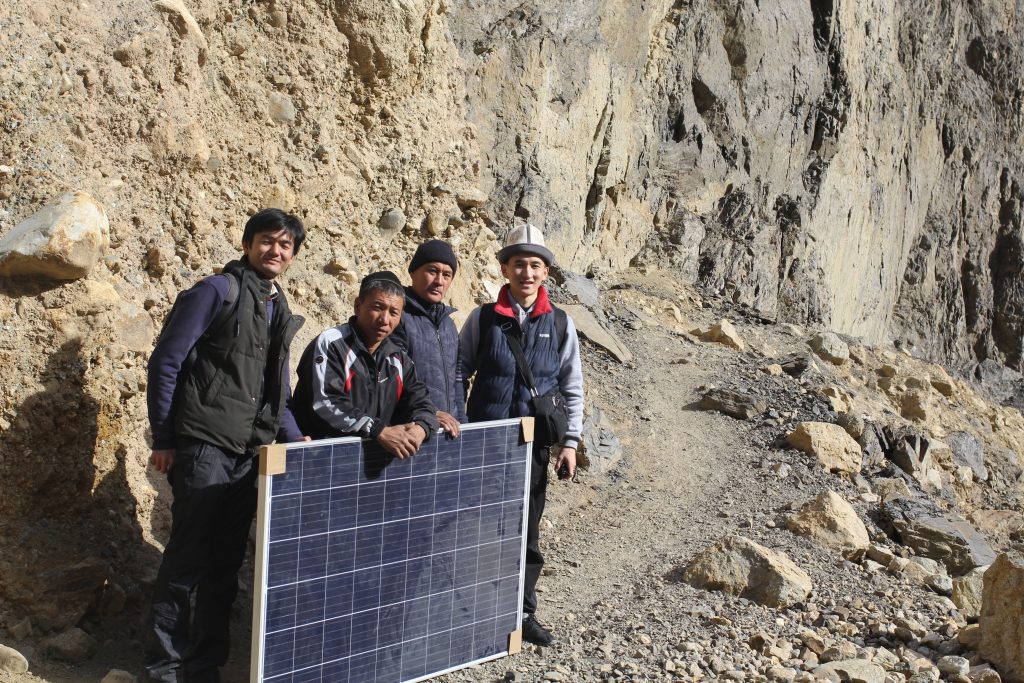
The final was a school in the village of Zardaly in Batken oblast, which is located in a remote area and is not connected to electricity. Only on foot, the ISOC team walked about 3 hours 12 kilometers along narrow mountain trails. For the students and teachers of the village of Zardaly to use the Ilimbox device, electricity was required, for this, a solar panel, a battery, and a charge controller were purchased. The equipment was transported on donkeys. In some places, the equipment was carried by hand. Until they finally reached the village of Zardaly. The solar panel and Ilimbox were installed at the school, complemented by solar street lights donated by the team to the residents of Zardala. The school has about 11 children, 3 teachers work, including the director.
ISOC Team and Zardaly Villagers Carry Solar Panel Through Narrow Mountain Trails
The ilimbox team will continue their tour of schools with the Kyrgyz language of instruction and will present the ilimbox educational platform to teachers and school administration.
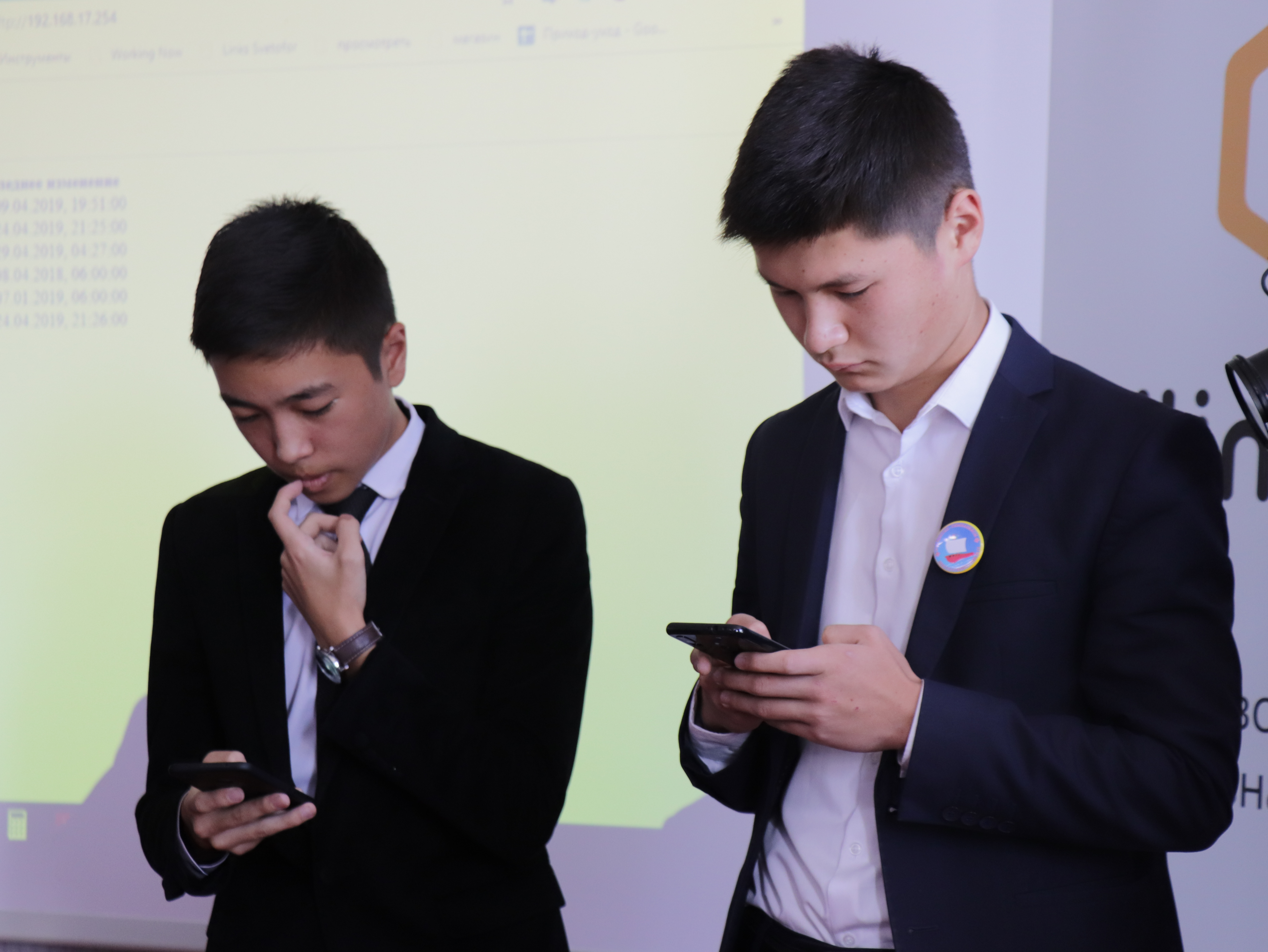
We have already visited several schools, talked to them about the benefits of the ililmbox platform, answered their questions and tried to interest teachers by showing them how to use the application.
In turn, the school administration and teachers showed interest in the project and stated that they would continue to use the application. The students were told that it was a necessary tool at the moment and that it would be received with interest.
We have already visited several schools, talked to them about the benefits of the ililmbox platform, answered their questions and tried to interest teachers by showing them how to use the application.
In turn, the school administration and
They also made suggestions for missing platform features. For example, during registration, a code was sent to a mobile phone number and the registration window would quickly close until then, noting that it was taking longer.
You can see more on our YouTube channel
The Ilimbox Distance Learning Educational Platform for Schoolchildren project is funded by the Democratic Commission’s Small Grants Program of the US Embassy in the Kyrgyz Republic 2020-2021.The Ilimbox project is funded by the Democratic Commission Small Grants Program of the US Embassy in the Kyrgyz Republic.
Educational platform for educators and schoolchildren across Kyrgyzstan schools with localized curated content (website platform, mobile apps, devices in schools), meet local educational standards but enriched with updated knowledge.
We provide children in Kyrgyzstan, their parents, school administrations, teachers, and publishers with access to user friendly, intuitively clear secure educational platforms to be able to obtain distance and online education while being in quarantine, having physical disabilities or constraints:
1) To deploy Moodle open-source solution on ilimbox.kg website and customize it in user-friendly way (mobile);
2) Upload and structure all available learning materials on one platform organized by classes, school curriculum, competencies;
3) Convert all textbooks from pdf to machine-friendly format so that it would be easy to search required text, read it, increase the font of the text, etc.
4) Provide video conferencing tools on the platform.
Ilimbox’s online education platform will help the Ministry of Education in digital transformation of the education system, adaptation of their standards and curriculum, and open new ways for learning and reaching out to school-age children even in remote areas of the country as well as from underserved and vulnerable communities. Migrant parents could watch the progress of their kids and join remotely to classroom events, for example. Ilimbox plans to continue developing by opening platforms to third-party publishers and development partners (US Embassy, WB, ADB, UNDP, UNICEF, independent) who would like to provide additional learning materials for children. Ilimbox will keep its sustainability by keeping fees from new publishers and authors for covering maintenance and R&D costs.
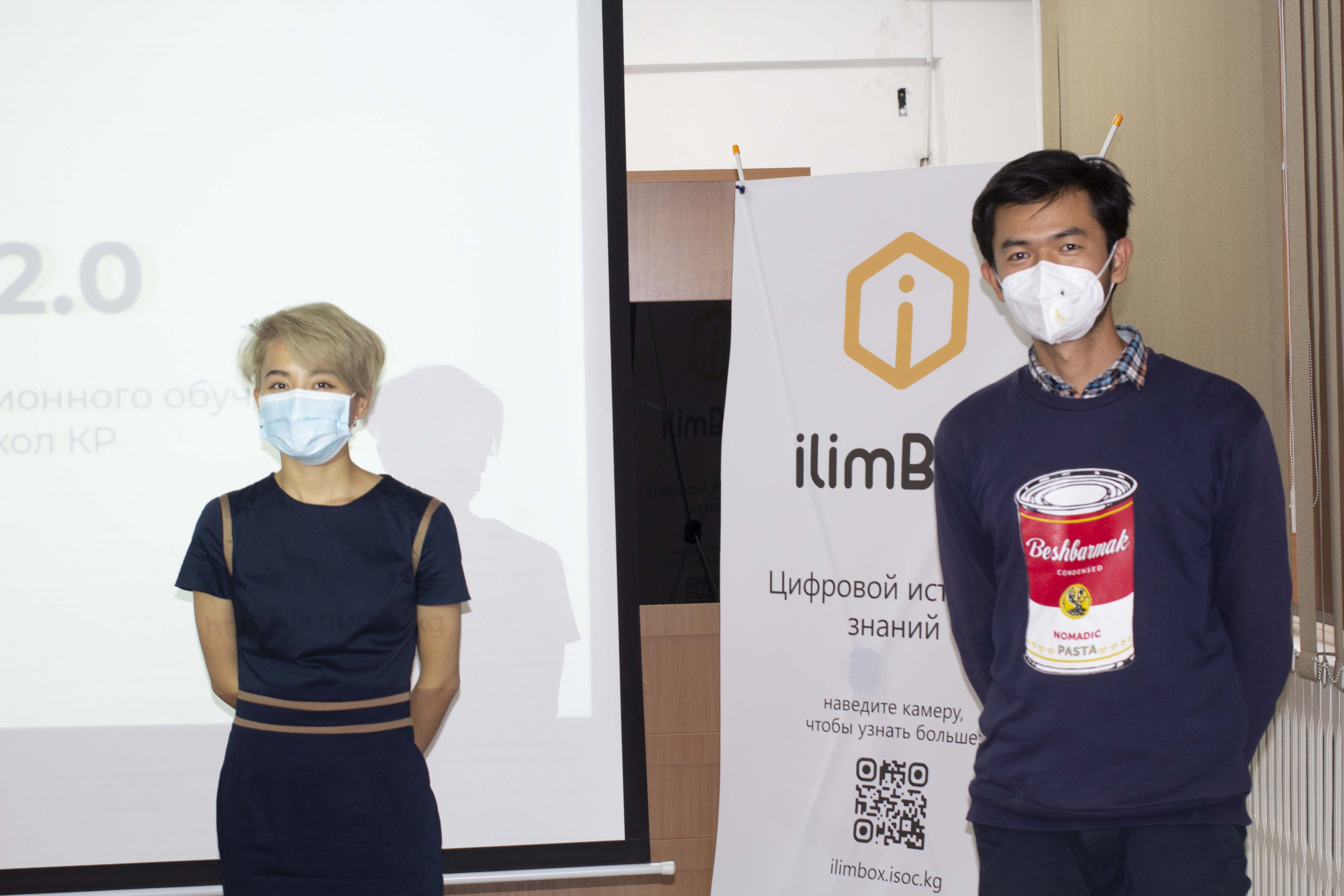
At the end of October 2020, the ilimbox team presented the ilimbox educational platform to the Ministry of Education and Science of the Kyrgyz Republic. Team manager Zhazgul and project engineer Erjigit spoke in detail about the platform. The advantages of the platform and the purpose of the work are explained in detail.
In turn, the Ministry of Education and Science of the Kyrgyz Republic asked their questions of interest, expressed support for the project and readiness for cooperation.
We inform you that further work will be carried out jointly with the Ministry of Education and Science of the Kyrgyz Republic.
The Ilimbox Distance Learning Educational Platform for Schoolchildren project is funded by the Democratic Commission’s Small Grants Program of the US Embassy in the Kyrgyz Republic 2020-2021.The Ilimbox project is funded by the Democratic Commission Small Grants Program of the US Embassy in the Kyrgyz Republic.