Инструментарий для мониторинга школьной связи

Understanding the real quality of internet connectivity in educational institutions has become a critical challenge for policymakers and administrators across the globe. The Internet Society Kyrgyz Chapter recently recognized this urgent need and commissioned the development of specialized monitoring software to assess internet quality in pilot secondary schools throughout Kyrgyzstan. This initiative represents a significant step toward evidence-based decision-making in educational technology infrastructure, particularly in addressing longstanding concerns about service delivery quality.

The context surrounding this project reveals a troubling disconnect between contractual obligations and actual service delivery. Since 2021, Kyrgyztelecom has held an exclusive contract as the sole internet service provider for secondary schools across Kyrgyzstan, with agreements specifying 100 Mbps internet connectivity for educational institutions. However, the reality on the ground tells a different story. Schools consistently reported significant performance issues, slow speeds, and unreliable connections that made it virtually impossible to conduct modern digital education effectively.

The situation became so problematic that teachers began using their personal mobile data allowances, creating Wi-Fi hotspots from their smartphones to ensure their students could access online learning platforms and digital educational resources. This grassroots solution highlighted the severity of the connectivity crisis while simultaneously demonstrating the dedication of educators to providing quality instruction despite infrastructure challenges. The irony was stark — the Kyrgyz Government was paying for internet services that were essentially unusable, while teachers were subsidizing the education system with their personal resources.

This widespread practice of teachers sharing mobile data revealed the fundamental problem with existing service arrangements. Without objective measurement tools, schools had no concrete evidence to support their complaints about poor connectivity. Service provider claims about delivered bandwidth had no independent verification, creating an accountability gap that disadvantaged both educators and students. The lack of empirical data made it difficult for education officials to address the problem through formal channels or to justify contract modifications or provider changes.

The technical approach for addressing this challenge crystallized during project coordinator Aziz Soltobaev’s participation in the RIPE NCC conference, where he joined the Internet of Things working group. The discussions and insights gained from this engagement with the European network coordination community provided the inspiration for utilizing OpenWrt as the foundation for the monitoring solution. This connection to the broader internet infrastructure community proved instrumental in shaping the project’s technical direction and ensuring alignment with established best practices in network measurement and monitoring.

The project centers around creating a comprehensive measurement platform built on the OpenWrt framework, an open-source operating system designed primarily for embedded devices and network routers. This choice of foundation proves particularly strategic for educational environments, as OpenWrt provides a stable, customizable, and cost-effective solution that can be deployed across diverse hardware configurations commonly found in schools. The system transforms abstract complaints about internet quality into concrete, measurable data that can drive meaningful policy changes.

The monitoring system incorporates multiple measurement methodologies to provide a comprehensive view of internet performance. The implementation includes NDT7 (Network Diagnostic Tool version 7), which offers standardized speed testing capabilities developed by Measurement Lab. This protocol provides reliable throughput measurements that can be compared across different locations and time periods. Additionally, the system utilizes iPerf, a widely-recognized network testing tool that measures maximum achievable bandwidth on IP networks, supporting both TCP and UDP protocols for comprehensive performance analysis.

Beyond these core measurement tools, the platform integrates additional diagnostic capabilities including latency measurements, packet loss detection, and jitter analysis. These metrics collectively paint a detailed picture of network performance that goes far beyond simple download and upload speeds. The system continuously monitors these parameters throughout the school day, capturing variations in performance that correspond to different usage patterns and peak demand periods.

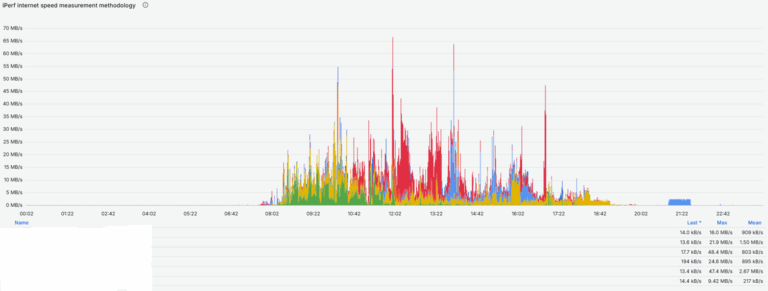
The data visualization capabilities of the system prove particularly valuable for decision-makers dealing with service provider accountability. Real-time dashboards display current network status while historical reporting functions reveal trends and patterns over extended periods. The screenshots demonstrate how the system presents upload and download performance data in clear, accessible formats that allow administrators to quickly identify periods when promised service levels are not being delivered. This creates an evidence base that can support formal complaints, contract renegotiations, or provider performance reviews.

One notable aspect of the implementation is its consideration of the unique challenges faced by educational institutions in service provider relationships. Schools typically experience highly variable internet usage patterns, with significant spikes during class transitions, lunch periods, and specific lesson times when multiple classrooms simultaneously access online resources. The monitoring system accounts for these patterns by providing detailed temporal analysis that helps administrators understand when and why network performance fails to meet educational needs, particularly in comparison to contracted service levels.

The open-source nature of the solution offers several advantages for government agencies and educational institutions operating under budget constraints while dealing with underperforming commercial relationships. Unlike proprietary monitoring solutions that often require expensive licensing fees and vendor-specific hardware, this OpenWrt-based approach can be deployed on commodity hardware or integrated into existing network infrastructure. This accessibility makes it particularly suitable for developing regions where cost-effectiveness remains a primary consideration in technology adoption decisions, especially when existing service contracts are not delivering promised value.

For the Ministry of Education and Sciences, this monitoring capability provides unprecedented visibility into the actual internet experience of students and teachers, contrasting sharply with the theoretical service levels outlined in government contracts with Kyrgyztelecom. Rather than relying on service provider assertions or anecdotal reports from schools, education officials can now access concrete performance data that reflects real-world conditions. This information proves invaluable when making decisions about service provider accountability, contract enforcement, or alternative arrangements that could better serve educational needs.

The Ministry of Digital Development benefits from having standardized measurement data across multiple educational institutions that can objectively assess whether government investments in educational connectivity are delivering promised results. This consistency enables meaningful evaluation of service provider performance across different regions and school types. Such comparative analysis can inform policy decisions about contract modifications, penalty enforcement, or the potential benefits of introducing competition in educational internet services.

For telecommunications regulatory bodies, the system provides an independent source of performance data that complements traditional regulatory monitoring efforts while offering insight into how monopolistic service arrangements perform in practice. The continuous measurement approach offers a more comprehensive view of service quality than periodic testing, potentially revealing systematic service degradation or improvement trends that might otherwise go unnoticed. This capability enhances regulatory oversight while providing objective data for discussions with service providers about network performance standards and contract compliance.

The practical implementation of the system reveals concerning patterns in educational internet delivery that validate teacher complaints about service quality. The monitoring data shows significant discrepancies between promised and delivered bandwidth, particularly during peak educational hours when reliable connectivity is most crucial. Understanding these patterns helps administrators document service failures while providing valuable evidence for accountability discussions with Kyrgyztelecom and government oversight agencies.

The bandwidth utilization analysis component of the system offers insights into how contracted internet resources are actually delivered versus consumed within educational environments. This information helps school administrators understand whether current service arrangements meet educational needs while providing data-driven justification for contract enforcement actions or alternative service arrangements when necessary. The system can identify specific periods when service falls below contractual obligations, enabling more informed decisions about remedial actions or penalty applications.

The project’s emphasis on open-source development ensures long-term sustainability and adaptability while reducing dependence on commercial monitoring solutions that might be influenced by service provider relationships. Educational institutions and government agencies can modify the software to meet specific local requirements without depending on commercial vendors for customization or potentially compromised monitoring tools. This independence proves particularly important in situations where service provider accountability is a primary concern.

The classification of this monitoring toolkit as a digital public good adds significant value to its development and deployment. Digital public goods are defined as «open-source software, open data, open artificial intelligence models, open standards and open content» that are intended to contribute to sustainable development. This classification promotes «open-source solutions for a more equitable world» and is «key to achieving the Sustainable Development Goals». By developing this internet monitoring solution as a digital public good, the Internet Society Kyrgyz Chapter ensures that the benefits extend far beyond the immediate pilot implementation.

The digital public goods framework means that other countries facing similar challenges with educational internet service delivery can adapt and deploy this monitoring solution without licensing restrictions or vendor dependencies. Digital public goods «offer the opportunity to counteract» digital divides «through their open access to information and technologies» while limiting «economic monopolies over digital solutions and knowledge». This is particularly relevant for developing nations where telecommunications monopolies may underdeliver on government contracts while lacking independent oversight mechanisms.

The toolkit’s status as a digital public good also facilitates international cooperation and knowledge sharing about internet quality monitoring in educational settings. Educational authorities in other countries can learn from Kyrgyzstan’s implementation experience while contributing their own innovations and adaptations back to the global community. This collaborative approach accelerates the development of effective solutions while reducing the individual costs and risks associated with developing monitoring capabilities from scratch.

Looking toward broader implications, this monitoring initiative represents a model that directly addresses accountability gaps in government service procurement while providing concrete tools for advocacy on behalf of educators and students. The combination of standardized measurement protocols, open-source implementation, and focus on decision-maker needs creates a framework that transcends specific national or regional contexts. The detailed performance data generated by such systems can inform evidence-based policy making at multiple levels of government and educational administration, particularly in situations where service providers may not be meeting contractual obligations.

The success of this pilot implementation in Kyrgyzstan’s secondary schools demonstrates the value of systematic internet quality monitoring in addressing service delivery problems that affect educational outcomes. By providing reliable, continuous measurement data through accessible open-source tools, the project enables informed decision-making about service provider accountability, contract enforcement, and alternative arrangements that could better serve educational needs. This approach transforms teachers’ personal sacrifices and student learning disruptions into concrete evidence that can drive systemic improvements in educational technology infrastructure.

The toolkit serves as a powerful advocacy tool that gives voice to educators and students who have been struggling with inadequate internet connectivity despite government investments in educational technology. Rather than continuing the cycle of paying for services that don’t meet educational needs while teachers subsidize the system with personal mobile data, this monitoring solution provides the evidence base necessary to demand accountability and drive meaningful improvements in educational internet service delivery.

The web platform is accessible to decision makers via link: https://mektepinternet.isoc.kg 

The Github repository of code located here: https://github.com/ISOCKG/internetqualitymonitoring 

#DigitalPublicGoods #OpenSource #InternetForEducation #DigitalEquity #OpenWRT #NetworkMonitoring #EducationTechnology #DigitalDivide #InternetRights #TechForGood #SDGs #DigitalInclusion #OpenData #CommunityTech #EducationAccess #NetworkTransparency #DigitalGovernance #TechPolicy #ConnectivityMatters 

СШ им.Д.Турабекова (с.Боз-Булун, Иссык-Кульская область)

Завершающей поездкой по Иссык-Кульской области стала СШ им.Д.Турабекова (с.Боз-Булун). Там обучается 214 школьников.

В данной школе ранее было установлено устройство “Ilim Box”, однако, это была устаревшая версия, которая как выяснилось, к сожалению, не использовалась  по назначению, а пылилась в одном из кабинетов, так как завуч потерял пароль от старого устройства. В обновленной версии без парольная система порадовала администрацию школы. 
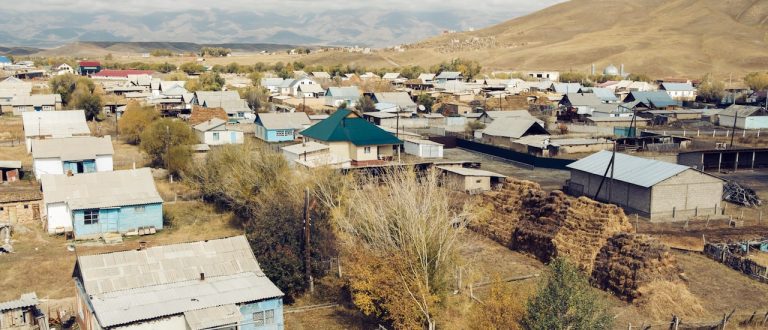
В ходе презентации мы показали усовершенствованные нюансы прибора и провели инструктаж по использованию с ребятами старших классов. 


Общинная Сеть “Суусамыр Нэт”

На прошлой неделе интернет-сообщество вместе с нашим кыргызским отделением и более широким местным сообществом провели обсуждения по вопросам подключения к Интернету в отдаленных районах Бишкека, Кыргызстан. Приблизительно 35% населения Кыргызстана пользуются интернетом (данные МСЭ, 2017), и большинство пользователей находятся в городах и городских районах.
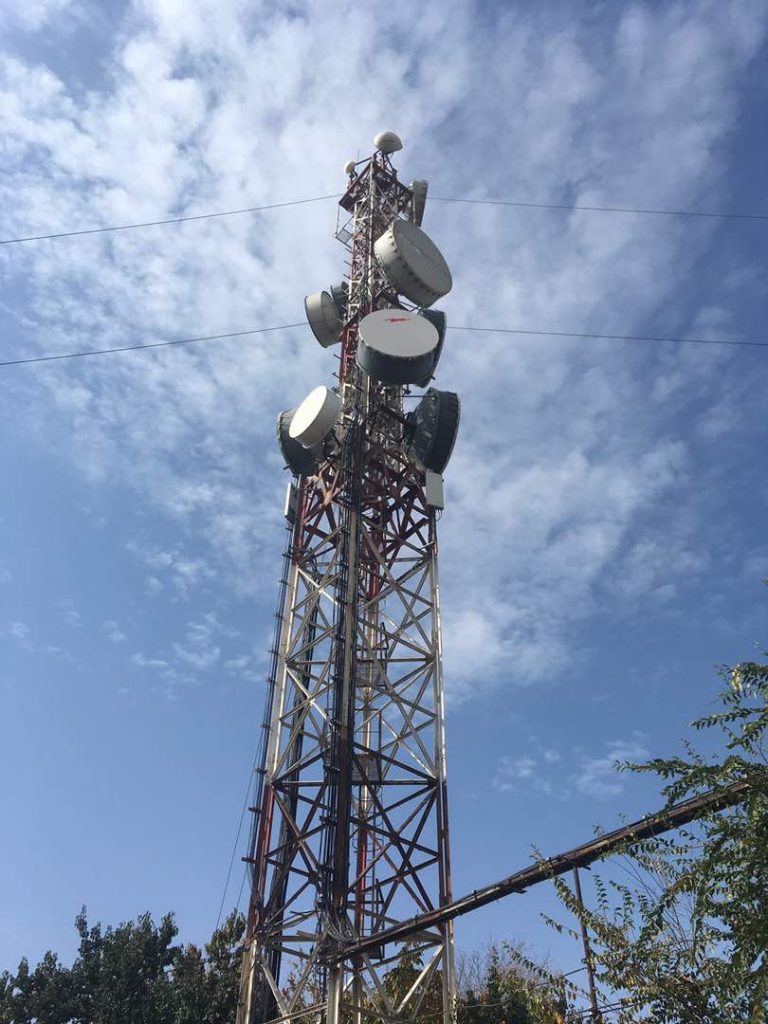
В сотрудничестве со своим кыргызским отделением Интернет-общество опробует подход сообщества сетей в селе Суусамыр, расположенном примерно в 150 километрах к югу от столицы Бишкека. У нас была возможность посетить эту деревню с населением около 4000 человек, спрятанную в широкой долине, окруженной высокими горами. Экономическая деятельность связана с сельским хозяйством, коневодством и скотоводством, туризмом.

В то время как заключительный этап создания сети общин Суусамыр все еще находится в стадии реализации, мы уже можем извлечь некоторые уроки из подготовительных и тестовых этапов.

Партнерские объединения

В качестве отправной точки Кыргызское отделение Интернет-общества укрепило партнерство с правительством, интернет-провайдерами (ISP) и местным сообществом в Суусамыре. Правительство Кыргызстана увидело возможность для развития местной экономики. Два интернет-провайдера согласились арендовать свою существующую магистральную инфраструктуру для подключения последней мили. И самое главное, местное сообщество восприняло эту инициативу с надеждой, что она предоставит новые возможности для людей в сообществе. Важно заручиться поддержкой ключевых заинтересованных сторон.

Лицензирование и разрешения

Как и в большинстве стран, для создания инфраструктуры интернета требуются лицензии и разрешения. В то время как получить лицензию оператора сети было относительно просто, правила лицензирования спектра В Кыргызстане связаны с затратами и трудоемкими процессами подачи заявок. Наша проектная группа сотрудничала с региональным провайдером, чтобы поделиться своей существующей лицензией на спектр. Разрешения на землепользование и энергоснабжение мачт также могут быть сложными. После обсуждений с землевладельцами и национальной электроэнергетической компанией разрешения на проект «Суусамыр» были согласованы на индивидуальной основе. Для достижения прогресса в области обеспечения связи в отдаленных районах необходимы благоприятные политические рамки.

Формирование спроса

Во время нашего визита в Суусамыр было ясно, что в местном сообществе есть энтузиазм и спрос на интернет. В самой большой школе Суусамыра был компьютерный класс, но не было подключения к интернету. Штаб-квартира муниципалитета, местная больница и малый бизнес, несомненно, выиграют тоже. Однако у муниципалитета пока нет конкретных планов по использованию интернета для стимулирования местного экономического развития. Существует необходимость в создании местной «инициативной группы», которая могла бы повысить осведомленность и обеспечить профессиональную подготовку среди сельского населения.

Президент Кыргызской Республики назвал 2018 год Годом развития сельских территорий. Это стремление идеально согласуется с целью Интернет-общества, чтобы подключить всех к интернету, с акцентом на сообщества в самых труднодоступных местах. Мы стремимся к тому, чтобы через несколько месяцев в Суусамыре полностью функционировала общественная сеть.

Автор: Маарит Паловирта

Старший Менеджер По Региональным Вопросам Европа
Установите приложение на смартфон и работайте офлайн
+Установить Переводчик
Переводите в Яндекс.Браузере

Точка обмена трафиком Ферганской Долины

Кыргызское отделение Интернет Общества осуществляет один из своих первых крупных проектов, благодаря гранту ISOC Beyond the Net. Проект Точка Обмена Трафиком Ферганской Долины (FVIXP) это установка точки обмена трафиком (IXP) в городе Ош, на юге Кыргызстана, что значительно удешевит интернет для всех жителей Ферганской долины.

Ферганская долина, расположенная на перекрестке трех стран, является наиболее населенным районом в Центральной Азии, источником региональной межэтнической напряженности в связи с водой и землей. Проект «Точка обмена трафиком» с размещением в городе Ош (Кыргызстан) направлен на расширение регионального трансграничного сотрудничества между заинтересованными сторонами и общение людей за счет увеличения доступности Интернета за счет снижения тарифных планов Интернета до 3 раз, умножения роста обмена интернет-трафика в регионе, повышения уровня проникновения Интернета.

Ферганская долина, расположенная на перекрестке трех стран Центральной Азии: Кыргызстана, Узбекистана и Таджикистана, входит в первую десятку регионов с самой высокой плотностью в мире. Более 14 миллионов человек (2014 год) проживают на территории 22 000 квадратных километров (примерно 636 человек на квадратный километр). Регион известен спорами о земле и воде, межэтническими конфликтами. Существует огромное неравенство в доходах между административными столицами Станов и региональными жилыми общинами в Ферганской долине.

Согласно данным МСЭ 2014 года, Центральная Азия имеет один из самых низких уровней проникновения в Европе и Центральной Азии. Ферганская долина. В региональном плане цены на интернет для жителей Ферганской долины выше, чем для жителей других административных районов. Например, тарифы на интернет-тарифы в южных городах в 5 раз выше (13USD) для той же пропускной способности, что и в Бишкеке, расположенном на севере Кыргызстана. Таджикистан, который в первую очередь зависит от Кыргызстана, имеет еще более серьезную ситуацию. Национальный интернет-провайдер Tojnet обеспечивает неограниченный тариф 1Mb за 45 долларов США. Ситуация в Узбекистане еще хуже. Узбекистанская монопольная компания интернет провайдер предоставляет Интернет в городах, расположенных в Ферганской долине, по цене 59 долларов США за 10 ГБ ежедневного интернета и неограниченный ночной трафик.

Учитывая вышеупомянутую ситуацию, мы считаем, что точка обмена трафиком Интернет в долине устранит барьеры для подключения и будет стимулировать улучшенный доступ.

Точка обмена трафиком — сетевая инфраструктура, предназначенная для оперативной организации соединений и межоператорского обмена IP-трафиком (пиринга) между независимыми сетями в Интернет. Участниками обмена трафиком являются организации, управляющие независимыми сетями (автономными системами). Подключение к точке обмена Интернет-трафиком позволяет устанавливать пиринговое взаимодействие между участниками с меньшими затратами и большей оперативностью относительно организации попарных физических стыков. Эффективность IX увеличивается с ростом числа подключенных участников.

Кыргызстан является одной из стран, куда простирается Ферганская долина. В Бишкеке существует несколько закрытых IXP (интернет провайдеры, банки). В отличие от нынешних IXP, которые не могут быть нейтральными и открытыми для новых членов согласно их Уставам,  IXP Ферганской долины (FVIXP) будет придерживаться принципов открытости и нейтралитета, обеспечивая равный доступ к инфраструктуре всем заинтересованным сторонам, включая правительственные учреждения, учебные заведения и учреждения здравоохранения а так же коммерческие банки. IXP поможет местным малым и средним провайдерам снизить затраты на трафик, и позволит тратить больше на инфраструктуру, чем на покупку интернет-трафика.

Создание IXP значительно повысило бы ценность региональной экономики. По словам Terabit Consulting, «Улучшение инфраструктуры ИКТ производит: увеличение спроса на продукцию других отраслей (мультипликатор спроса), новые возможности для производства в других отраслях (множитель поставок), новые товары и услуги для потребителей (конечный спрос), повышение инновационных возможностей фирм и увеличение вероятности появления новых продуктов, инноваций и организаций ».