STEM-тренинги для учителей Лейлекского района Баткенской области

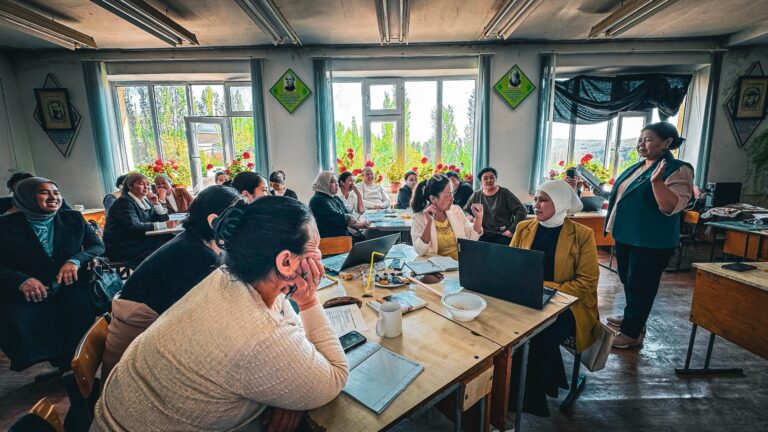
High in the mountainous terrain of Leylek district, the village of Chimgen became an unlikely epicenter of educational innovation on April 24, 2025. At the School named after Japarov, rural educators from across one of Batken Oblast’s most remote districts gathered for the culminating session of a three-day regional STEAM training initiative that had already energized teachers in Osh Oblast and the urban centers of Kadamzhay.

This final training session carried special significance, representing the program’s commitment to ensuring that geographical isolation never translates to educational isolation. The teachers who made the journey to Chimgen village embody the dedication that characterizes rural education—professionals who often serve as the sole representatives of their subjects in small schools, wearing multiple hats and serving entire communities as educational leaders.

The rural context demanded a uniquely adapted approach to STEAM methodology. While their urban colleagues in Kyzyl Kiya and Batken had access to varied resources and specialist teachers, Leylek district educators often work in schools where a single teacher might cover multiple grade levels or subjects. This reality shaped the training’s focus toward versatile, adaptable strategies that could function effectively in resource-constrained environments.

Master trainer Symbat Satybaldieva, completing her three-day journey across the region alongside co-trainers Ainaz Ysmailova and Gulmira Isakova, brought to Chimgen a refined understanding of how STEAM principles could be tailored to rural realities. The cumulative experience from Osh and Kadamzhay sessions informed adaptations that made the methodology even more accessible and practical for remote schools.

The 5E learning model took on particular relevance in this setting, where teachers recognized its potential to transform limited resources into rich learning experiences. A biology teacher shared how the «Engage» phase could begin with students’ direct observations of their mountain environment, while the «Explore» phase might involve investigating local ecosystems that urban students could only read about in textbooks.

Rural educators brought unique perspectives to Growth Mindset discussions, sharing stories of students who had overcome significant challenges to pursue education despite economic and geographical barriers. These real-world examples of resilience and determination provided powerful illustrations of neuroplasticity principles, demonstrating how belief in student potential can literally reshape neural pathways and academic outcomes.

The session’s emphasis on locally-sourced materials resonated deeply with participants who have long practiced the art of educational innovation born from necessity. Teachers shared creative solutions they had developed—using mountain stones for mathematics manipulatives, incorporating traditional crafts into engineering challenges, and utilizing agricultural cycles to teach scientific method. The training validated these approaches while providing theoretical frameworks that elevated intuitive practices to evidence-based methodologies.

PISA-aligned assessment strategies sparked particularly engaging discussions as teachers grappled with preparing students for global standards while honoring local knowledge systems. The session explored how traditional Kyrgyz problem-solving approaches could be integrated with international assessment frameworks, creating learning experiences that were both culturally grounded and globally relevant.

Artificial intelligence tools presented both opportunities and challenges in this rural context. While internet connectivity and technology access remain variable in remote areas, teachers learned to view AI as a planning and preparation tool that could enhance their instructional design even when classroom implementation might rely on more traditional methods.

The «Marshmallow Challenge» took on special meaning in Chimgen, where teachers recognized parallels to community problem-solving traditions. The activity’s emphasis on iteration, collaboration, and learning from failure mirrored approaches that rural communities have long used to address resource limitations and environmental challenges.

One of the day’s most powerful moments came during the «Food Print Puzzles» activity, when teachers connected observation and inference skills to traditional ecological knowledge that their students possess. A geography teacher noted: «My students can predict weather patterns by reading cloud formations and animal behaviors—this is scientific observation at its most sophisticated. Now I understand how to build on this foundation.»

The collaborative atmosphere was enhanced by the intimate setting, where teachers from scattered mountain schools had rare opportunities to connect with colleagues facing similar challenges. Professional isolation, a common experience in rural education, gave way to animated discussions about shared solutions and mutual support strategies.

Demo lesson presentations showcased remarkable creativity in adapting content to local contexts. A history teacher demonstrated how the 5E model could transform lessons about ancient Silk Road trade routes by having students physically map pathways through their own mountain passes, while a mathematics teacher showed how geometric principles could be explored through traditional yurt construction techniques.

The training’s rural focus highlighted the critical role that individual teachers play in their communities. Unlike urban settings where educational responsibilities are distributed among many professionals, rural teachers often serve as their schools’ primary innovators, technology coordinators, and community liaisons. The STEAM methodologies provided frameworks for managing these multiple roles more effectively.

Feedback from participants emphasized the training’s relevance to their daily realities. One teacher reflected: «Living in the mountains teaches you to be resourceful, but this training showed me how to be resourceful with purpose. Every stone, every plant, every traditional practice can become a pathway to scientific understanding.»

The Chimgen session completed a comprehensive regional initiative that demonstrated how innovative educational approaches can be successfully adapted across diverse contexts—from urban pilot schools in Osh Oblast to the busy cities of Kadamzhay region to the remote villages of Leylek district. Each setting contributed unique insights that enriched the overall understanding of STEAM implementation in Central Asian contexts.

As the three-day program concluded, the mountain setting provided a fitting metaphor for the journey these educators have undertaken. Like climbers who support each other in reaching new heights, these teachers have formed professional networks that transcend geographical boundaries, united by shared commitment to educational excellence regardless of their schools’ remote locations.

The success in Chimgen proves that transformative education is not dependent on urban resources or technological abundance, but on the creativity, dedication, and professional growth of educators who refuse to let geographical challenges limit their students’ potential. These rural teachers return to their mountain schools equipped not just with new methodologies, but with renewed confidence that they can provide world-class educational experiences in any setting.

The ripple effects of this rural training will extend far beyond individual classrooms, as these teachers serve as educational leaders in communities where their influence shapes not just student learning, but community attitudes toward education, innovation, and possibility.

STEAM тренинги для учителей в городе Кадамжай Баткенской области

In the bustling educational hub of Kadamzhay, a transformative day unfolded on April 23, 2025, as dedicated educators from three dynamic cities—Kyzyl Kiya, Bujum, and Batken—converged at School #17 named after Masalieva for an intensive STEAM training experience. This gathering represented the second phase of a comprehensive regional initiative that had begun in Osh Oblast the previous day, extending innovative pedagogical approaches across southern Kyrgyzstan’s educational landscape.
The single-day intensive format demanded a focused approach, concentrating the most impactful elements of STEAM methodology into actionable strategies that teachers could immediately implement. Unlike traditional professional development sessions, this training emphasized hands-on experimentation and peer collaboration, recognizing that educators from these three cities bring diverse perspectives shaped by their unique urban and semi-urban contexts.

Master trainer Symbat Satybaldieva, supported by co-trainers Ainaz Ysmailova and Gulmira Isakova, adapted the comprehensive STEAM curriculum to address the specific challenges faced by teachers working in resource-diverse environments. The educators gathered represented a cross-section of subjects and grade levels, united by their commitment to elevating student engagement and learning outcomes through scientific inquiry and integrated approaches.

The heart of the Kadamzhay session centered on the practical application of the 5E learning model—Engage, Explore, Explain, Elaborate, and Evaluate. Teachers worked in mixed-city groups, designing mini-lessons that transformed traditional content delivery into dynamic, student-centered experiences. The collaborative nature of these activities created natural opportunities for educators from different cities to share local innovations and adapt successful practices to their own contexts.

One particularly powerful moment emerged when a mathematics teacher from Kyzyl Kiya demonstrated how geometric concepts could be explored through architectural elements found in their city’s Soviet-era buildings, while a colleague from Batken showed how similar principles applied to traditional Kyrgyz construction techniques. This cross-pollination of ideas exemplified the program’s goal of making abstract concepts tangible through local relevance.

The training’s emphasis on Growth Mindset resonated strongly with participants who often face the challenge of motivating students in economically challenging environments. Teachers engaged with research on neuroplasticity, discovering how understanding the brain’s capacity for change could revolutionize their approach to student potential. This scientific foundation provided educators with evidence-based strategies for encouraging persistence and resilience in their classrooms.

PISA-aligned assessment strategies took on particular significance in this setting, as teachers grappled with preparing students for international standards while maintaining connection to local contexts. The session included practical workshops on developing critical thinking tasks that mirror global assessments while incorporating culturally relevant scenarios that students could relate to and engage with meaningfully.

The integration of artificial intelligence tools sparked considerable discussion among participants, many of whom had limited previous exposure to educational technology. Rather than viewing AI as a replacement for traditional teaching methods, educators learned to conceptualize these tools as collaborative partners that could enhance their ability to personalize instruction and provide immediate feedback to students.

Interactive demonstrations brought theoretical concepts to life through engaging activities. The «Marshmallow Challenge» revealed insights about teamwork, iteration, and learning from failure, while «Food Print Puzzles» developed observation and inference skills crucial for scientific thinking. These activities served dual purposes: modeling effective STEAM pedagogies while providing ready-to-use classroom activities.

Teachers from Bujum particularly appreciated the emphasis on resource optimization, learning how everyday materials could be transformed into powerful learning tools. The session included practical demonstrations of creating laboratory equipment from locally available materials, addressing a common challenge in schools where traditional science resources may be limited.

The collaborative atmosphere extended beyond formal sessions, with educators naturally forming professional networks that crossed city boundaries. Teachers exchanged contact information and began planning follow-up collaborations, recognizing that the challenges they face are often similar despite geographical differences.

Feedback from participants highlighted the value of the intensive format, with many noting that the concentrated learning experience created a sense of urgency and focus that enhanced retention and application. One educator commented: «This single day changed how I think about every lesson I teach. The 5E model isn’t just for science—it’s a way of thinking about all learning.»

The training’s success in Kadamzhay demonstrates the scalability of innovative educational approaches across diverse contexts. By bringing together educators from three different cities, the program created opportunities for knowledge sharing that extended far beyond the formal training hours. Teachers returned to their schools not just with new methodologies, but with expanded professional networks and renewed enthusiasm for educational innovation.

This Kadamzhay experience represents a crucial link in the broader regional transformation of education, connecting the pilot innovations tested in Osh Oblast with the rural implementations planned for Leylek district. The urban and semi-urban perspectives contributed by Kyzyl Kiya, Bujum, and Batken educators provide valuable insights for adapting STEAM approaches across the diverse educational landscape of southern Kyrgyzstan.

As these educators return to their classrooms, they carry with them not just new teaching strategies, but a shared vision of educational excellence that transcends city boundaries. The collaborative spirit fostered during this intensive day continues to ripple through professional conversations and classroom innovations, creating a sustainable foundation for long-term educational transformation in the region.

The success of the Kadamzhay training reinforces the importance of bringing high-quality professional development directly to educators in their regional contexts, recognizing that transformative change happens when teachers have immediate opportunities to collaborate, experiment, and implement new approaches within their familiar professional communities.

Предварительные результаты мониторинга интернет подключения сельских школ

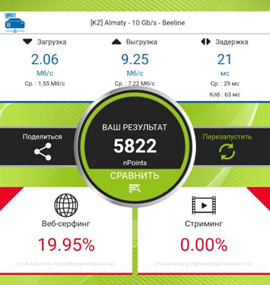
The initial monitoring of the school connectivity demonstrated lack of the promised speed by Internet Service Provider. The internal wired and wireless infrastructure were the other issue of low connectivity leaving teachers and schools an opportunity to benefit from Internet provided by authorities.

Methodology

To assess the technical condition of the Internet infrastructure of 10 pilot schools in the Osh and Batken regions of the Kyrgyz Republic, the following activities were carried out:

  • Video interviews with school principals and IT teachers were conducted in Kyrgyz to identify current challenges and needs of educational institutions.
  • Remote diagnostics of the condition of equipment, communication lines and current Internet connection speed.
  • Analysis of building plans to study the location of classes, network nod locations and used network equipment.
  • Collection of data on internet service providers and tariff plans, as well as technical network parameters.

Based on our previous research we learned that all networking and information technology issues delegated as additional responsibility to teachers of the informatics, computer science classes. Therefore, the teachers were important source of information providing preliminary insights about the state of connectivity.

The remote diagnostics had been conducting using video call and overview of the cabling to the schools, media converters, routers and switches as well as end devices such as computers, laptops, etc.

We have used different testing platforms to monitor school connectivity including such parameters as speed diagnostics, browsing, Quality of Service, latency rate to key data centers and internet exchange points, as well as compliance of existing infra to LAN cabling engineering standards. Some parameters were tested using such diagnostics services as Ookla Speedtest, fast.com focused on quality of streaming services, and nPerf that rely upon the mLab measurement protocol (NDT7). Note that the GIGA Daily Check Up App was not available to Kyrgyzstan therefore ignored in testing stage.

The buliding information modeling helped us to understand the quality of wireless signal, possibility of wireless mesh network across the school, existing capacity, needs and challenges for schools to be fully connected and enjoy the seamless digital education experience.

Findings

  • All of the secondary schools had low-bandwidth capacity routers from two vendors with a maximum speed of up to 300 Mbps, limited processor performance and memory capacity suitable for home or small office usage only. The routers haven’t been able to cope with all connections.
  • Pilot schools were utilizing combined internal connectivity infrastructure — LAN cable connecting computer classrooms and wifi connection for teachers. The actual internet speed ranged between 340Kbps to 16Mbps.
  • Based on the Cabinet of Ministry’s decision KyrgyzTelecom Joint Stock Company had been selected as the single supplier of the internet services for all 2200 secondary schools of Kyrgyzstan. The terms of the agreement were classified and not available publicly. According to the interview, the Ministry of Education paid roughly 2500 Kyrgyz soms monthly fee per school in duration from September to June, while summertime were unpaid.

Photo gallery of school connectivity monitoring results

Проблема цифрового неравенства во время пандемии

Председатель Кыргызского Интернет Общества (ISOC)  Талант Султанов рассказал как пандемия повлияла на цифровизацию в Кыргызстане в рамках круглого стола: «Пандемия цифровизации. Как коронавирус повлиял на бизнес»
Пандемия в сложных условиях протестировала страны ЕАЭС, насколько они были готовы реагировать на вызовы, в том числе и цифровые.

Кыргызстан, как мне показалось, был лучше готов, чем это могло ожидаться. Так произошло, потому что цифровая повестка – в приоритете для страны уже в течение нескольких лет.

Сама тематика начала развиваться в 2017-2018 году с программы «Таза Коом» (чистое общество) и трансформировалась в программу «Цифровой Кыргызстан».

Негативные эффекты пандемии ощутили и государства, и бизнес. Однако активация цифровых процессом параллельно открыла три возможности для сокращения цифрового неравенства: возможность доступа, использования и поддержания. Как ими воспользовались в КР?

Первая исходная – возможность доступа. Хотя многим людям пришлось уйти на карантин, далеко не у всех дистанционная работа была налажена, настроен доступ к сети. Даже если и был Интернет, то не было возможности доступа к устройствам – компьютерам, смартфонам.

Более того, госслужащие, которые уходили на дистанционку, не могли полноценно функционировать, и потому все равно приходили на рабочие места, чтобы ставить подписи на бумажных носителях. Здесь мало позитивных эффектов.

Вторая возможность – возможность удобного использования. Даже если у пользователей есть Интернет, дома есть устройство, через которое они могут выходить в Интернет, то насколько услуги, приложения, которые были разработаны во время пандемии, были удобны для использования?

Интересный аспект, насколько удобство использования позволил стать правительству ближе к гражданам. У нас сейчас руководящие лица проводят опросы посредством соцсетей, о том какую политику проводить или не проводить. Это показатель того, насколько правительство становится плоским, исчезает иерархия.

Третья возможность – возможность поддержания и продолжение всех этих инициатив. Когда началась пандемия, было запущено множество онлайн-сервисов. Однако если мы сегодня попытаемся проверить их актуальность, то многие сайты просто перестали функционировать.

Все эти три возможности пока показывают только, как цифровое неравенство становится ещё более широким и глубоким. И чтобы данный цифровой разрыв сократить, необходимо срочно предпринять меры. Здесь частный сектор и в целом бизнес в стране играют важную роль. Но бизнес останавливается там, где нет доходности, прибыли. Дальше подхватывает государство, но и государство тоже имеет определенный бюджет, дальше которого оно не может идти.

В данный момент правительство реализует проект «Цифровая Центральная Азия – Южная Азия», в планах которого подключить к широкополосному высокоскоростному интернету каждый населенный пункт в стране.

Дальше уже местное население, и в частности, интернет-сообщество должно подхватить идею.

Остановлюсь на вещах, которые делает наше интернет-сообщество для того, чтобы адресовать обозначенные возможности.

Мы сейчас реализуем проект, который называется Ilim Box. Напомню, что ранее Министерство образования КР приняло меры, чтобы обеспечить все школы Республики сетевым доступом. Ведомство смогло организовать подключение всех школ, кроме двадцати, которые находятся в самых отдаленных, горных районах страны.

Мы расцениваем это как вызов для нашего сообщества, и до того, как будет проведен полноценный интернет, решили прийти к этим детям с «коробкой знаний». Такое устройство позволяет получать доступ ко всем образовательным ресурсам без подключения к интернету. Дети, школьники смогут использовать образовательный контент, не выходя в интернет, потому что где-то в стране пока элементарно нет средств, чтобы получить доступ к сети.

Что касается удобства использования, то на втором этапе проекта мы занимаемся развитием уже Ilim Box 2.0. Это образовательный портал, куда были собраны все необходимые данные по сфере, сейчас актуальные в Кыргызской Республике. Мы сделали это в более дружелюбном формате, чем это происходит обычно с образовательными площадками, потому что удержать внимание детей сложно, когда есть конкуренция с YouTube и развлекательными порталами. Поэтому образовательные цифровые ресурсы должны интерактивными и доступными для маленьких детей.

Однако цифровизация в целом несет различные вызовы, которые мы должны решать и на уровне страны, и на уровне Евразийского экономического сообщества.

Первый вызов, связанный с цифровизацией, это защита персональных данных. Во время еще первой волны пандемии было несколько случаев, когда частные данные граждан попадали в открытый доступ.

Второй аспект – правовое поле. В нашей стране реализацию многих вещей можно было бы облегчить, если разработать правильные законы и правила. Например, местные жители отдаленных районов могут собрать ресурсы, деньги, а специалисты снабдить людей знаниями. Однако им всё равно нужно получать различного рода лицензии, доступ к радиочастотам, что почти нереально для сельского жителя.

Если же правительство облегчит данные условия, то цифровизация в общем ее понимании для жителей самых отдаленных регионов пройдет намного быстрее, легче и дешевле.

Еще один аспект – совместное использование инфраструктуры. Когда прокладывают новую дорогу, то через несколько недель или месяцев ее могут заново раскопать, чтобы проложить какую-то трубу. В связи с этим можно было бы разработать правила использования инфраструктуры. Если идёт строительство дороги, одновременно там должны проложить и Интернет-кабель, и другую коммуникацию – это облегчит работу, сократит сроки.

Третий вызов – цифровые навыки. Цель цифровизации – подключить самую последнюю милю, самого финального пользователя. Кроме подключения, важно помочь получить жителям стран цифровые навыки, чтобы пользователи могли осуществлять эффективную работу в сети.

Мероприятие состоялось в рамках международного информационно-просветительского проекта «Евразийский мост».

Доставка цифрового образования — Ilimbox до отдаленных сельских школ

ilimbox-цифровой источник знаний-продукт, реализованный на базе Orange Pi с целью обеспечения доступа учащихся и преподавателей отдаленных общеобразовательных школ Кыргызской Республики к учебникам в цифровом формате, Википедии и ресурсам Хан Академии  в автономном режиме.
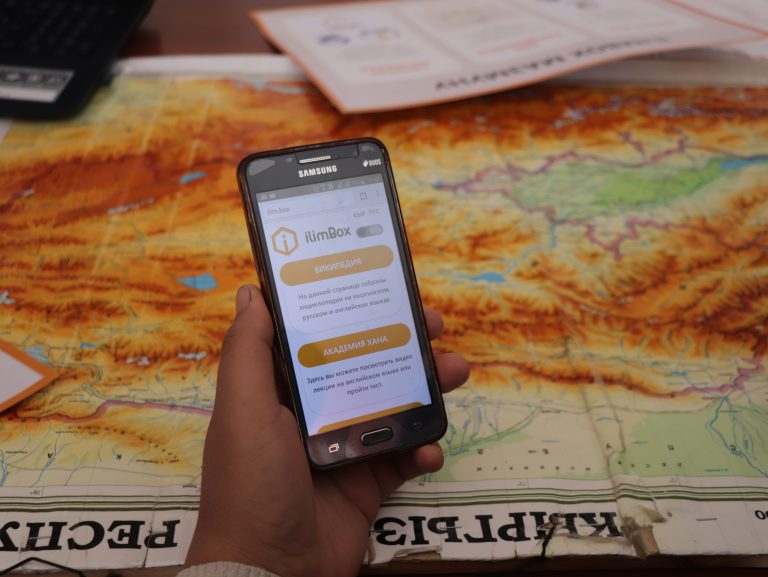
Проект Ilimbox финансируется программой Beyond the Net, созданной Фондом интернет-общества и AIEF2018. Проект реализуется кыргызским отделением интернет-общества ISOC.

О проекте ilimBox и других проектах ISOC.KG, вы можете перейти по ссылкам:

Internet in a box – ilimbox 1.0

https://www.facebook.com/isockg/

Установка ilimBox в Таласском районе Таласской области

17 сентября 2019 года команда ISOC поехала в Таласскую область для установки ilimBox устройств в школах. Первые 5 (пять) общеобразовательных школ были выбраны в Таласском районе: СШ им.Туйтунова (с.Талды-Булак), СШ им. Р.Айдаралиева (с.Копуро-Базар), СШ им. А.Борубаева (с.Кара-Ой), СШ им. Жумагул у. Алымкул (с.Сасык-Булак), СШ им. Г. Орозалиева (с.Кенеш). 
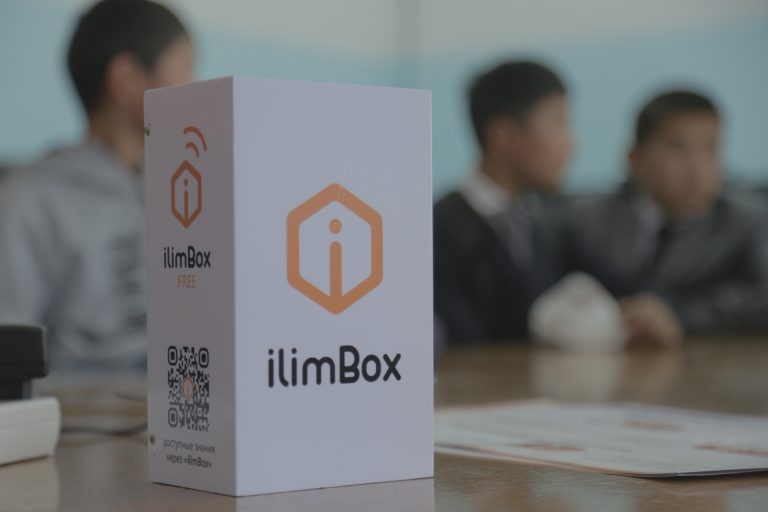
Таласский район — это административная единица, занимающая Восток Таласской области, административный центр — село Манас. Данный район оказался наиболее большим по протяженности в сравнении с другими районами Таласской области. 

Согласно отчетности Министерства образования и науки школы в Таласской области 100% охвачены глобальной сетью, на местах же мы увидели иную картину. Несмотря на то, что там живут активные пользователи, которые быстро откликаются на новые технические возможности мобильных сетей, однако, во всех пяти школах Таласского района было выявлено, что у детей нет доступа к общему интернету школы. Более того, в двух школах данного района, в кабинете администрации используют мобильный интернет, соответственно, преподаватели также вынуждены готовиться к занятиям по книгам в библиотеке, которых, как они признались, катастрофически не хватает детям, что вынуждены давать одну книжку на двоих и весь учебный год дети делят ее “пополам”. Таким образом, три основные причины выбора этих школ: не имеют доступа к сети Интернет ученики, наблюдается нехватка книг и количество учащихся превышает допустимый максимум.

Вышеизложенная ситуация сподвигла нас поехать туда для презента интересной альтернативы интернету, как устройство — ilimBox. Проект направлен на решение таких проблем, как нехватка книг и отсутствие интернета в общеобразовательных учреждениях. В данных школах была проведена презентация проекта «ilimBox» и апробирование устройства с учащимися и учителями. 

Мы объяснили, что цифровая библиотека содержит в себе «Википедию» на кыргызском, русском и английском языках, Академию Хана на английском языке, тысячи видео и аудио уроков и электронных книг. Ребят удивило, что устройство позволяет получать доступ ко всем образовательным ресурсам без подключения к Интернету. Администрация школ с радостью и благодарностью приняли наш подарок, а также оставили видео отзывы, которые загружены на youtube канал ISOC.

В Кыргызстане разработали полезную альтернативу интернету для школьников

Интернет в последние годы становится все более доступным для кыргызстанцев. Если еще примерно 5 лет назад доступ во всемирную сеть могли позволить себе лишь жители столицы, сейчас это вполне привычная вещь и для жителей регионов.
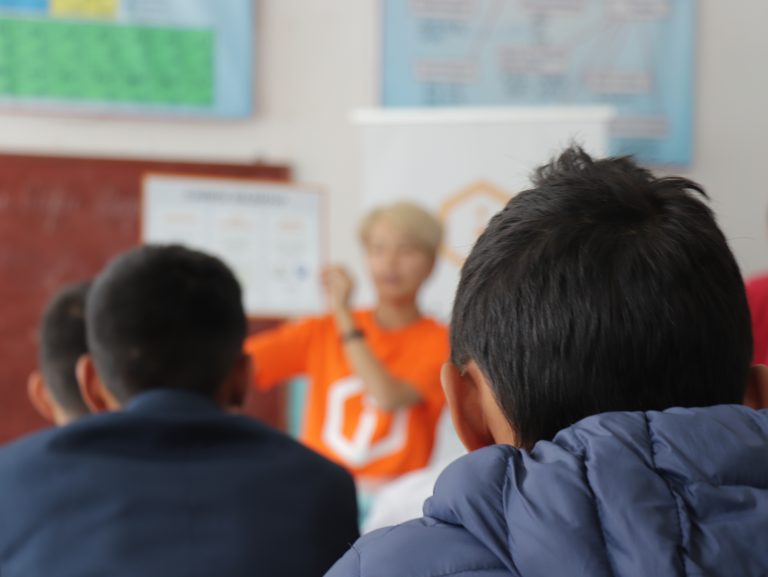
Немаловажную роль интернет играет и в современном образовании. Такие проблемы как нехватка школьных учебников могли бы решиться благодаря качественному доступу в интернет. Учитывая этот факт, Министерство образования Кыргызстана проводило большую работу в этом направлении и за 2 года подключило почти 2 тыс. государственных и муниципальных школ к интернету, а это почти 90% всех школ в стране. Однако, как показал анализ, у школьников по-прежнему нет доступа к всемирной сети. Опасаясь того, что ученики будут отвлекаться от уроков и использовать интернет не по назначению, руководство школ не предоставляет школьникам доступ.

Инновационное решение двух актуальных проблем как нехватка книг и отсутствие интернета можно увидеть в проекте цифровая библиотека для школ и общественных библиотек «Ilim Box», содержащая в себе википедию на кыргызском, русском и английском языках, Академию Хана на английском языке, тысячи видео уроков, аудио и электронных книг. Все эти цифровые учебные материалы доступны в офлайн режиме, другими словами не нуждается в доступе в интернет. Доступ в Цифровые библиотеки будет осуществляться через смартфоны, планшеты, компьютеры и любые другие персональные устройства с технологией вай фай.

«Как известно, в интернете есть огромное количество образовательных ресурсов, которые помогли бы нашим детям получить доступ к самым передовым знаниям онлайн. К сожалению, сейчас очень много школьников не могут смотреть образовательные видео, читать онлайн-книги и пользоваться всеми образовательными ресурсами. Чтобы эту проблему решить, мы запустили проект Ilimbox», — рассказывает представитель Интернет-сообщества в Кыргызстане (ISOC) Талант Султанов.
Устройство позволяет получать доступ ко всем образовательным ресурсам без подключения к интернету, иными словами в офлайн режиме.
«Содержание, которое есть онлайн, мы загрузили на жесткий диск, прикрепили маленький компьютер, который выполняет роль также вай-фай роутера. Любой пользователь сможет скачать себе необходимую информацию на компьютер или смартфон. Что самое важное — пользователь получает доступ только к образовательным ресурсам, у него не будет доступа к социальным сетям и другому развлекательному контенту», — пояснил Талант Султанов.

Стоит отметить, что все данные сохраняются в самом приборе, а для подключения необходимо только электропитание и сама коробка. Уникальность инновационного проекта в том, что учащиеся могут получить доступ к образовательным ресурсам в школе без подключения к Интернету.
«Это очень полезное устройство, поскольку оно с одной стороны предоставляет доступ к обширной базе образовательных материалов, а с другой – не имеет развлекательного контента, который бы мешал ученикам во время уроков. Мы очень рады, что у нас появилась возможность получить IlimBox и использовать его в образовательных целях», — поделилась впечатлениями директор одной из школ города Каракол Гульзат Сойкоева.

Стоит отметить, что устройство IlimBox установили уже в 66 школах Иссык-Кульской, Таласской и Чуйской областей. В данных школах была проведена презентация проекта «Ilim box» затем апробирование устройства с учащимися и учителями и вручение прибора. В ходе беседы были затронуты темы важности образования и самообразования. Выбор школ был обусловлен несколькими факторами: нет доступа к сети Интернет у учащихся, нехватка книг, а также количество учащихся превышало допустимый максимум, тем самым возрастала вероятность низкой успеваемости в школах без соединения к сети, а также на выбор учебных заведений повлиял список предложенных школ Министерством образования и науки КР.
В рамках проекта планируется охватить все регионы Кыргызстана и установить IlimBox в общей сложности 100 устройств в школах, испытывающих проблемы с доступом к интернету. Каждое образовательное учреждение получает IlimBox бесплатно.

Проект финансируется Alumni Engagement Innovation Fund 2018 (AEIF) в рамках инновационных решений глобальных проблем и программой Beyond the Net ISOC.

Видеоролик о проекте можете найти по ссылке:
Русский язык

Кыргызский язык

СШ им.Д.Турабекова (с.Боз-Булун, Иссык-Кульская область)

Завершающей поездкой по Иссык-Кульской области стала СШ им.Д.Турабекова (с.Боз-Булун). Там обучается 214 школьников.

В данной школе ранее было установлено устройство “Ilim Box”, однако, это была устаревшая версия, которая как выяснилось, к сожалению, не использовалась  по назначению, а пылилась в одном из кабинетов, так как завуч потерял пароль от старого устройства. В обновленной версии без парольная система порадовала администрацию школы. 
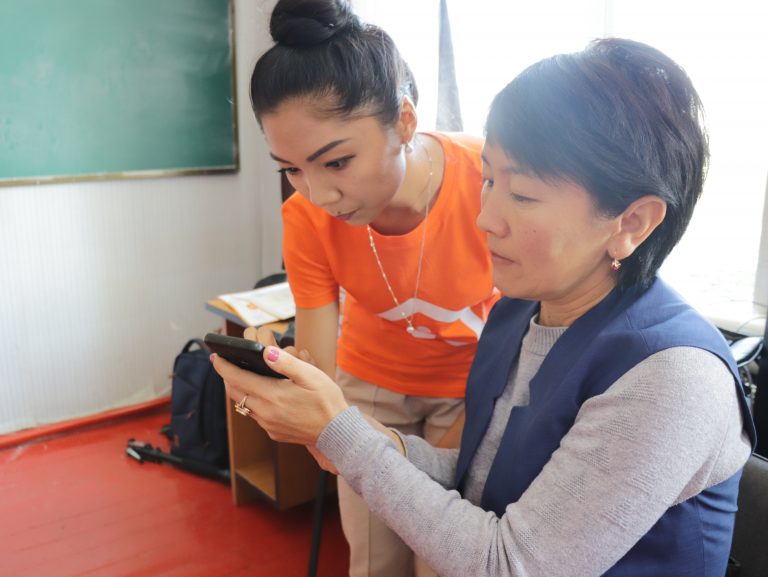
В ходе презентации мы показали усовершенствованные нюансы прибора и провели инструктаж по использованию с ребятами старших классов. 


СШ им. Эшимбекова (с.Тагизчил, Иссык-Кульская область)

Предпоследний визит был в СШ им.Эшимбекова (с.Тегизчил).

Это компактная школа, в которой учатся 238 детей. 

Находится она на окраине села Тегизчил, однако, несмотря на это в школе мы встретили волонтера из США, который приехал по проекту обмена знаниями “Корпуса Мира”. Он преподает детям английский язык уже второй учебный год и отлично разговаривает на кыргызском языке.

Преподаватели и дети признались, в школе кроме кабинета администрации нигде нет выхода в интернет. Безусловно такой подарок школе был очень кстати и решил вопрос также острой нехватки книг.

Ребята предложили установить устройство в кабинете школьного самоуправления, так как он обычно бывает открыт круглосуточно.