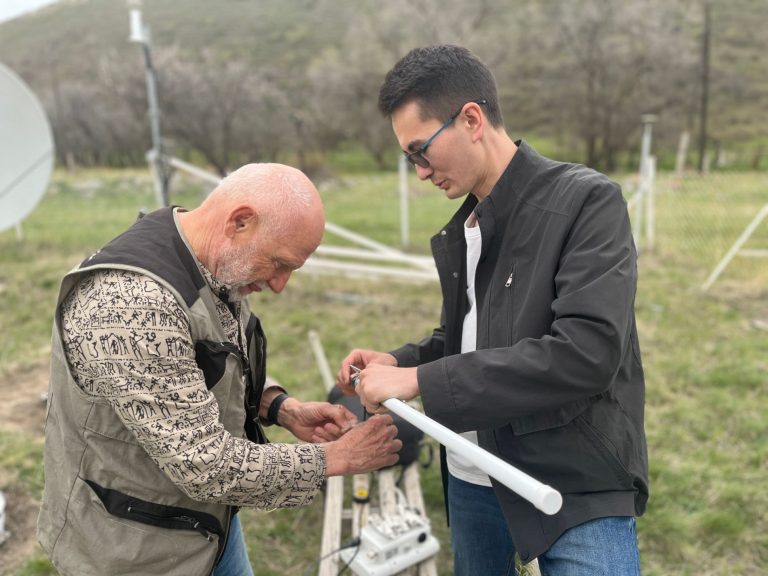
Байтик жана Ала-Арча гидропостунда Лораван менен иштөөчү метеостанцияларды орнотуу

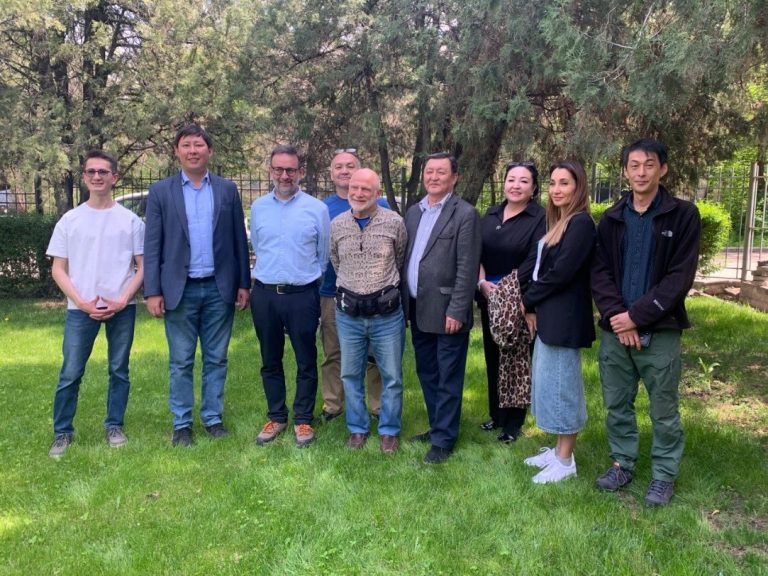
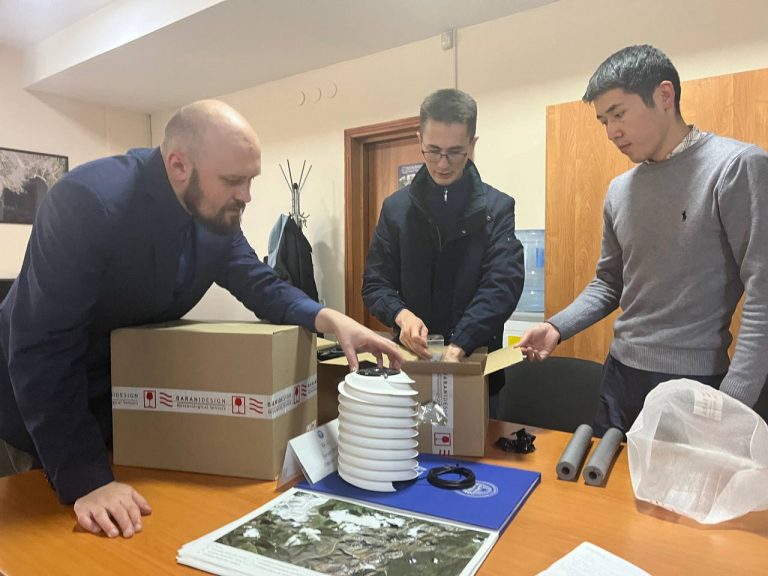
A significant stride has been made in the realm of disaster response and climate research in Kyrgyzstan, spearheaded by the ISOC Kyrgyz Chapter, the Abdus Salam International Centre for Theoretical Physics (ICTP), and the Central-Asian Institute for Applied Geosciences (CAIAG). In a bid to demonstrate the capabilities of Lorawan technology and to validate its consistency with existing meteorological systems, Lorawan-enabled meteo stations and additional sensors have been installed at the Baytik Meteorological Center and the Ala Archa Hydropost on April 24, 2023.

The selection of these sites was strategic, not only due to their locations but also due to the unique opportunities they present for comparing data with existing meteo stations operating under different systems. By analyzing and comparing the data gathered from these stations, the team aims to validate the consistency, accuracy, and relevancy of the data generated by the Lorawan-enabled technology.

Barani Design meteo stations have been chosen for this project due to their reputation for providing reliable, accurate, and high-quality data. These stations measure several key parameters, including temperature, humidity, atmospheric pressure, wind speed and direction, solar radiation, and rainfall. The wide array of indicators provided by Barani Design meteo stations offers a comprehensive picture of local climatic conditions, essential for informing climate research and disaster response strategies. in addition, several other sensors from different vendors had been selected to measure height of the river and speed of waterflow on Kashka Suu river.

Each partner organization played a critical role in this installation. CAIAG, known for their extensive work in applied geosciences, provided the locations, conducted preliminary construction works (such as the installation of masts, fences, and photovoltaics), and offered expert guidance to ensure that the installations were conducted in accordance with global standards. ISOC Kyrgyz Chapter and ICTP provided the necessary expertise and knowledge in Lorawan technology, ensuring seamless integration of these sensors into the broader network.

The Baytik Meteorological Center, located in a significant climatic area, offers critical insights into local and regional weather patterns. Meanwhile, the Ala Archa Hydropost plays a crucial role in monitoring water levels, enabling early detection and warnings of potential floods. The installation of Lorawan-enabled sensors at these locations will greatly enhance the accuracy and timeliness of data collected, further aiding in the decision-making process for disaster management.

Through this partnership, ISOC Kyrgyz Chapter, ICTP, and CAIAG demonstrate a steadfast commitment to enhancing climate research and disaster response capabilities in Kyrgyzstan. By leveraging advanced technology like Lorawan, these organizations are working towards a future where data-driven decisions can significantly mitigate the impact of natural disasters, safeguarding communities and infrastructure.

ICTP презентацияда Климаттын өзгөрүшүнө мониторинг жүргүзүү үчүн Лораван технологиясын изилдейт

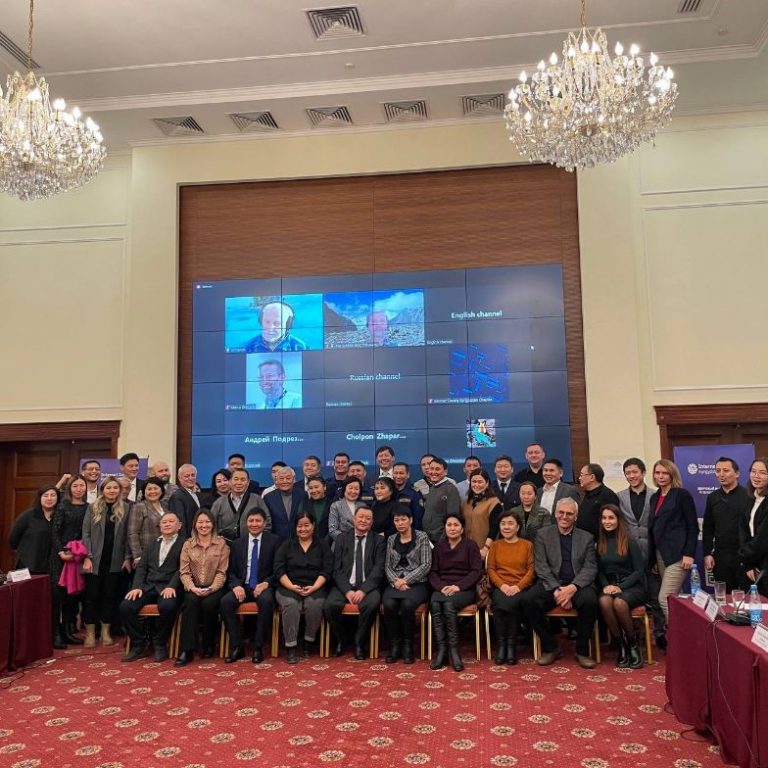
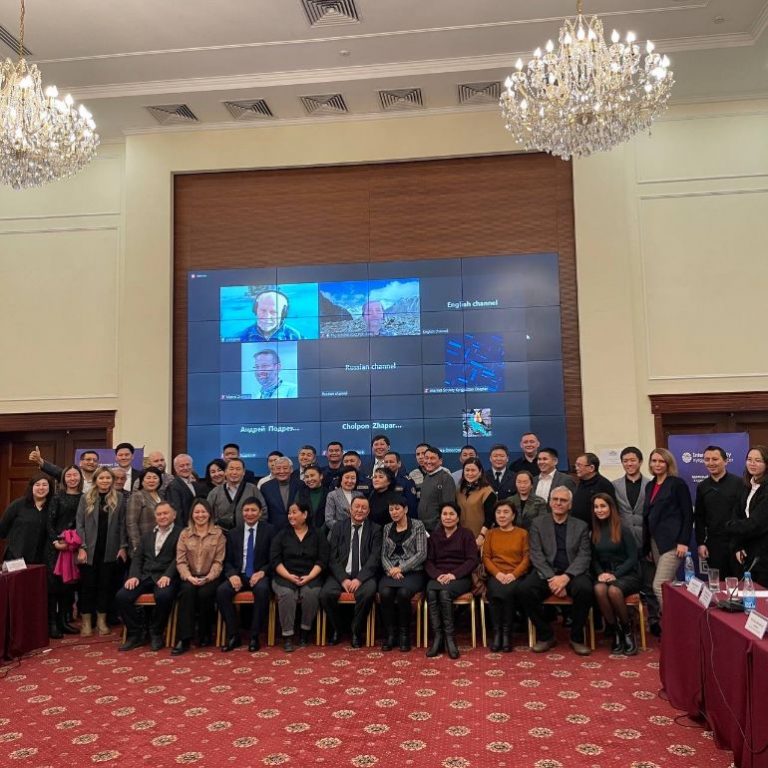
On April 24, 2023, a seminal roundtable discussion was hosted at the premises of the Central-Asian Institute for Applied Geosciences (CAIAG), an internationally recognized center for geoscience research. The roundtable was led by the Abdus Salam International Centre for Theoretical Physics (ICTP) team, who presented on the potential of Lorawan technology, its relevant communication protocols, and the historical footprint of ICTP’s activities in this domain.

The discussion was attended by a variety of key stakeholders involved in climate change monitoring, including members from pertinent ministries, state agencies, and academicians. This roundtable discussion is part of a broader research grants project funded by the Internet Society (ISOC) Foundation and led by the Internet Society Kyrgyz Chapter, aimed at enhancing the understanding and utilization of ICT solutions for monitoring environmental changes.

Lorawan technology, a suite of long-range, low-power communication protocols, was the central focus of the presentation. The ICTP team delved into the operational intricacies of the technology, emphasizing its significance in data collection, remote environmental monitoring, and real-time analysis.

The presentation was spearheaded by Ermanno Pietrosemoli and Marco Zennaro, two prominent members of ICTP.

Ermanno Pietrosemoli is a renowned pioneer in the field of wireless networking technology, best known for his significant contributions to bridging digital divides, particularly in Latin America. With his groundbreaking work, he has been instrumental in ensuring digital inclusivity, a commitment which led to his induction into the Internet Hall of Fame in 2017. Originally from Italy, Pietrosemoli moved to Venezuela, where he co-founded the Escuela Latinoamericana de Redes (EsLaRed), an organization devoted to ICT training throughout Latin America and the Caribbean. Through his commitment to EsLaRed, Pietrosemoli has facilitated knowledge sharing and technical expertise across the region, supporting local experts and researchers. Pietrosemoli has also been acclaimed for his pioneering work in long-distance Wi-Fi links. In 2007, he and his team set a world record for the longest Wi-Fi link, at a staggering distance of 382 kilometers. This achievement showcased the potential of low-cost wireless technology to bring internet connectivity to remote and rural areas.

Marco Zennaro, an ICTP research scientist, brought his extensive background in Information and Communication Technologies (ICTs) for sustainable development to the discussion. He has an extensive portfolio of publications, having written over 40 articles in peer-reviewed journals and books, all while maintaining his active involvement in scientific conferences and workshops worldwide. Some of his notable works include ‘Science Dissemination using Open Access,’ a pioneering book that explores the use of
open-access methodologies in sharing scientific research, and ‘Wireless Networking in the Developing World,’ a practical guide to using inexpensive wireless networking technology in developing areas.

The Abdus Salam International Centre for Theoretical Physics, named in honor of its founder, the Nobel Laureate Abdus Salam, is renowned for fostering scientific research in the developing world. With a legacy extending over 50 years, ICTP continues to promote scientific capacity and knowledge, underscoring the role of technology in addressing challenges like climate change.

This roundtable served as an opportunity for ICTP to demonstrate the role of innovative technologies like Lorawan in climate change monitoring. By facilitating real-time, precise data acquisition, these tools empower stakeholders to make informed decisions, thereby enhancing climate change mitigation and adaptation strategies. The roundtable underscored the continuous commitment of Pietrosemoli, Zennaro, and ICTP towards leveraging technology for sustainable development and climate action.

ISOC Кыргыз бөлүмү климаттын өзгөрүшүнө мониторинг жүргүзүү үчүн лоравандын пайдасын көрсөтөт

On April 6-10, 2023, the research team of the Kyrgyz branch of the Internet Society conducted a demonstration of automatic weather stations and other lorawan-enabled sensors for key project partners. The team visited various partners where they carefully unpacked all the sensors and discussed in detail the specifications and suitability of the sensors for pilot locations.
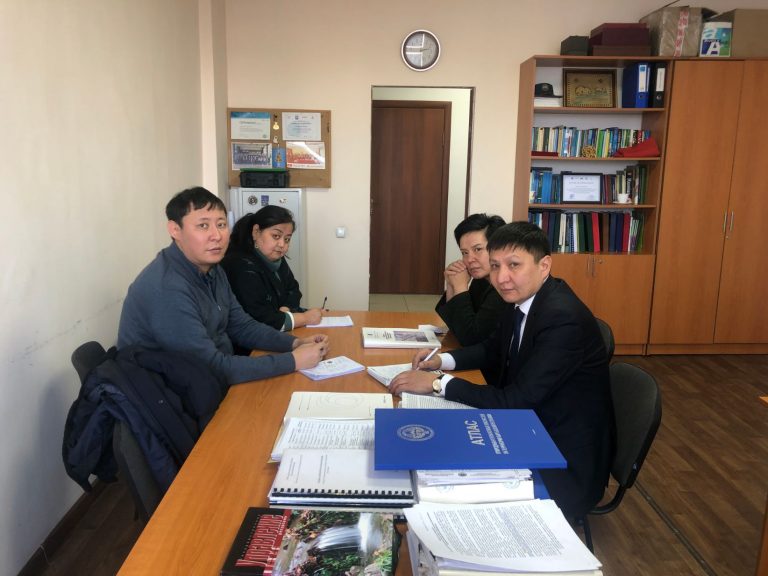
To provide partners with a comprehensive understanding of the sensors and their potential benefits, the team distributed demo products for in-house testing. This allowed partners to gain first-hand experience with the sensors and understand how they work, as well as understand their potential benefits in achieving project goals and future applications.

An important aspect of the research project is the installation of these sensors in pilot sites by the joint efforts of the Kyrgyz branch of ISOC and the team of the Abdus Salam International Center for Theoretical Physics (Italy). By collecting data from these sensors, the project aims to demonstrate the significant value of lorawan technology to key stakeholders.

LoRaWAN (Long Range Wide Area Network) is a wireless communication protocol specifically designed for Internet of Things (IoT) applications. It provides long-range, low-power communications between IoT devices and gateways, making it ideal for connecting sensors and other devices in a variety of settings including smart cities, agriculture, logistics, and environmental monitoring.

One of the main advantages of LoRaWAN technology is its range. It can provide communication for tens of kilometers even in areas with limited technical infrastructure. This makes it suitable for deploying IoT devices in remote locations or areas inaccessible to traditional mobile networks.

Another key benefit of LoRaWAN is its low power consumption. IoT devices using this technology can operate on battery power for long periods of time, sometimes up to ten years. The energy-saving nature of LoRaWAN allows IoT devices to be deployed in remote or inaccessible areas where power supplies are limited or difficult to maintain.

In addition, LoRaWAN supports secure and reliable communications. It includes end-to-end encryption and authentication mechanisms to ensure the confidentiality and integrity of data transmitted between devices and gateways. This makes it suitable for applications that use sensitive or sensitive data such as environmental monitoring systems or industrial IoT deployments.

Thus, lorawan technology offers long distance connectivity, low power consumption, economy and reliable security features. Its ability to connect IoT devices over long distances, combined with its energy efficiency, makes it an ideal choice for projects such as the one being implemented by the Kyrgyz Branch of the Internet Society. Taking advantage of lorawan technology, the project aims to collect valuable sensor data, demonstrate its value to stakeholders, and promote the development of IoT-based solutions in various fields.

For demonstration purposes, the research team uses the ISM bands. ISM stands for industrial, scientific and medical ranges. These bands enable industries to use wireless technologies without the need for individual licenses, facilitating innovation and the development of diverse applications.

ӨКМге караштуу Мониторинг жана прогноз департаменти менен жолугушуу

In the realm of natural hazards monitoring and climate change response, the adoption of innovative information and communication technologies is increasingly seen as an important advancement. It is in this context that a follow-up meeting between the Research Team from the Internet Society Kyrgyz Chapter and the Department of Monitoring and Prognosis under the Ministry of Emergency Situations of the Kyrgyz Republic took place on December 27, 2022. This meeting served as an extension of a project launch forum, aiming to chart a path for future collaboration among key stakeholders, and underlining the paramount importance of bringing advanced digital solutions into disaster risk management efforts.

Aziz Soltobaev, Project Manager, provided detailed insights into the research goals, partners involved, project implementation phases, and the expected outcomes. One crucial aspect he highlighted was the potential of the Internet of Things (IoT) in monitoring natural hazards in the Kyrgyz Republic. The use of IoT technology, particularly through the application of LoRaWAN (Long Range Wide Area Network), holds significant promise in providing real-time, high-quality data that is pivotal in making informed decisions to mitigate and adapt to the impacts of natural hazards.

The Ministry’s interest in the project was explicitly expressed by Mr. Daurbek Djoomartovich Sakyev, the Head of the Department of Monitoring and Prognosis. He conveyed their eagerness to contribute towards the achievement of the research goals, particularly those that can translate into practical benefits for local communities. In his presentation, Mr. Sakyev outlined the Department’s current activities, role, and goals planned for 2023, reinforcing the Ministry’s commitment to harnessing technology for enhancing the resilience of the Kyrgyz Republic to natural hazards.

Meeting ends with agreement to look for possible locations for testing use of LoRaWAN technology and IoT. It is agreed that Ministry can help with this. This important development come as response to directive from Cabinet of Ministers to install ways to monitor natural disasters in Boom Gorge. This critical area often at risk from such natural hazards as rainfall, mudflows. Boom Gorge connects three regions and as a result of climate change is subject to regular mudflows, which were blocking or limiting transport communications from several hours to several days. In 2021, mudflows swept away railroad infrastructure which led to meaningful economic losses.

This good cooperation paves way for wider use of technology in managing hazards, making big step towards creating strong, digitally enabled resilience framework for climate in Kyrgyz Republic.

Санариптик секирик: LoRaWAN жана Кыргызстандагы климаттын өзгөрүшүн жумшартуу

Imagine you’re an apple farmer like Askar living in the picturesque landscapes of Kyrgyzstan. Every year, you wait in anticipation for the right climatic conditions to harvest your crops. But in recent years, the unpredictable weather patterns and natural disasters triggered by climate change have left you helpless and anxious. This is where the miraculous technology of LoRaWAN steps in.

In a landmark forum on the “Application of Innovative Technologies in Monitoring and Forecasting of Climate Change and Natural Disasters,” organized by the Internet Society Kyrgyz Chapter in collaboration with the Central Asian Institute for Applied Geosciences (CAIAG), experts from across the globe met to discuss how to combat climate change using technology. The event saw participation from key stakeholders in climate change monitoring and was moderated by chairs of the partnering organizations, Dr. Moldobekov Bolot Duishenalievich and Mr. Talant Isakovich Sultanov.

LoRaWAN stands for Long Range Wide Area Network, a digital technology that has been making strides in the Internet of Things (IoT) landscape. The technology operates on “smart” sensors that monitor indicators online, analyze them, and transmit data to a server. This is similar to how your smartphone receives updates on weather conditions. But the beauty of LoRaWAN is that it can operate in areas with limited cellular communication, making it ideal for remote regions of Kyrgyzstan.

Picture this: Suppose Askar had a LoRaWAN-enabled sensor in his apple orchard. This sensor could monitor factors like temperature, humidity, and precipitation, essential to the growth of his apple trees. When there’s an impending frost or a storm, the sensor could alert Askar through an app, giving him enough time to take preventive measures, safeguarding his livelihood.

But it’s not just Askar who stands to benefit. Consider Ainura, a mother of three living in a small Uzgen village prone to landslides. An early warning system powered by LoRaWAN technology could alert her and her neighbors of an impending disaster, giving them precious time to evacuate and reach safety.

The forum highlighted the crucial role of such innovative technologies in monitoring and forecasting climate change and natural disasters. It illuminated the potential of technologies like LoRaWAN in not only enhancing our understanding of climate dynamics but also equipping us with actionable data to make informed decisions.

The promise of IoT and LoRaWAN isn’t confined to a few individuals. It extends to scientists, policymakers, farmers, and ordinary citizens alike. In the face of climate change, such technological advancements provide a beacon of hope. The fusion of cutting-edge technology and traditional practices could be our key to mitigating the adverse impacts of climate change and ensuring a sustainable future for Kyrgyzstan.

This Project is funded by the Internet Society Foundation Research Grants Programme.

Media coverage of the forum

«Климаттын өзгөрүшүнө жана табигый кырсыктарга мониторинг жүргүзүүдө жана болжолдоодо инновациялык технологияларды колдонуу» форумунун пост-релизи.

Форум исследует инновационные технологии для мониторинга изменения климата и смягчения последствий стихийных бедствий

Бишкек, 12 декабря 2022 г. – В связи с острой необходимостью защиты жизни и имущества от климатических бедствий в г.Бишкек успешно прошел форум «Применение инновационных технологий в мониторинге и прогнозировании изменения климата и стихийных бедствий». В мероприятии приняли участие около 100 местных и международных экспертов, представителей правительства, политиков и заинтересованных сторон, чтобы обсудить инновационные информационные и коммуникационные технологии для устойчивого развития перед лицом тревожных прогнозов изменения климата.

Г-н Шаазадан Тюмонбаев, заместитель начальника Управления мониторинга и анализа Администрации Президента Кыргызской Республики, начал форум с наводящего на размышления вступления, подчеркнув неотложную задачу смягчения последствий изменения климата и его влияния на устойчивое развитие Кыргызской Республики. В ответ, эксперты, ученые и политики подчеркнули важность использования доступных технологий для смягчения последствий изменения климата.

Г-н Болот Молдобеков, содиректор Центрально-Азиатского института прикладных наук о Земле, выступил с презентацией «Опасные природные процессы и системы мониторинга», в которой рассказал об усилиях и инициативах, предпринятых страной для смягчения последствий стихийных бедствий. Кыргызстан, географически уязвимый регион, сталкивается с многочисленными опасностями, такими как землетрясения, оползни, наводнения, сели и лавины. В презентации обсуждается существующая инфраструктура мониторинга, наблюдаемые географические районы, специальные датчики, установленные в местах, и выводы из наблюдений за данными.

Талант Султанов, председатель и соучредитель кыргызского отделения Интернет Общества (Айсок), в своей презентации «ИКТ для устойчивости к стихийным бедствиям» отметил, как инициативы «снизу вверх» на примере кыргызского отделения ISOC помогли решить проблемы с подключением к Интернету для стран, не имеющих выхода к морю или не затронутых санкциями, на примере Кыргызстана.

На мероприятии была подчеркнута роль наблюдений, исследований и прогнозирования в предотвращении стихийных бедствий, подчеркнута важность данных, собранных с различных станций мониторинга. Среди множества обсуждаемых инновационных технологий особенно выделяется технология передачи данных LoRaWAN (Long Range Wide Area Network) для Интернета вещей (IoT). Эта технология позволяет «умным» датчикам отслеживать показатели в режиме реального времени, анализировать данные и передавать их на серверы для дальнейшей обработки.

Впечатляющей особенностью технологии LoRaWAN является ее способность работать автономно и без проводов до 10 лет без источника питания, что делает ее идеальным решением для станций мониторинга климата в удаленных или сложных местностях. Отсутствие проводки упрощает процесс внедрения, оставаясь экономически эффективным для широкого распространения. Эрманно Пьетроцемолли, эксперт Международного центра теоретической физики им. Абдуса Салама, подробно рассказал о технологии Lorawan для различных целей. Марко Зеннаро от имени ICTP продемонстрировал прошлые установки датчиков lorawan и то, как команда ICTP передавала данные с использованием традиционного нелицензируемого спектра на расстояние до 400 км.

Уважаемые докладчики из правительственных ведомств, исследовательских институтов и промышленности поделились ценными мыслями во время форума. Доклады охватывали широкий круг тем, включая мониторинг изменения климата, систему мониторинга ЦАИИЗ (Центрально-Азиатский институт прикладных наук о Земле), создание защищенной инфраструктуры IoT с использованием технологии LoRaWAN для предотвращения чрезвычайных ситуаций в горных районах Кыргызстана.

Участники имели возможность участвовать в оживленных дискуссиях и задавать вопросы экспертам во время специальных сессий вопросов и ответов. Были тщательно изучены такие темы, как беспроводные технологии для Интернета вещей, плюсы и минусы технологии LoRaWAN, что пролило свет на огромный потенциал и практические соображения этих новых решений.

Форум завершился всеобъемлющим подведением итогов и заключительными замечаниями, подчеркнув решающую роль инновационных технологий в мониторинге и предотвращении стихийных бедствий. Участники ушли с новым обязательством использовать возможности технологий для устойчивого развития и устойчивости к изменению климата. По просьбе МЧС две точки в Боомском ущелье были добавлены в список пилотных местностей, где должны быть установлены автоматические метеостанции и датчики.

Форум «Применение инновационных технологий в мониторинге и прогнозировании изменения климата и стихийных бедствий» послужил катализатором обмена знаниями, сотрудничества и продвижения эффективных стратегий борьбы с изменением климата и защиты жизни и имущества. Используя передовые технологии, такие как LoRaWAN, мировое сообщество может проложить путь к более безопасному и устойчивому будущему.

Для получения дополнительной информации о форуме и его результатах, пожалуйста,посетите https://isoc.kg или свяжитесь с координатором проектов Азизом Солтобаевым, [email protected]

Контактное лицо для прессы: Талант Султанов, председатель кыргызского отделения Интернет-общества, [email protected]